Established in July 2023 at Rutgers-Newark, the Office of Community and Rutgers Engaged Science (CARES) was created to promote greater diversity in psychological and scientific research.Led by Dr. Vanessa LoBue, CARES is dedicated to increasing the representation of historically underrepresented populations and addressing long-standing biases in the field, which has traditionally focused on affluent populations.

Community Engagement
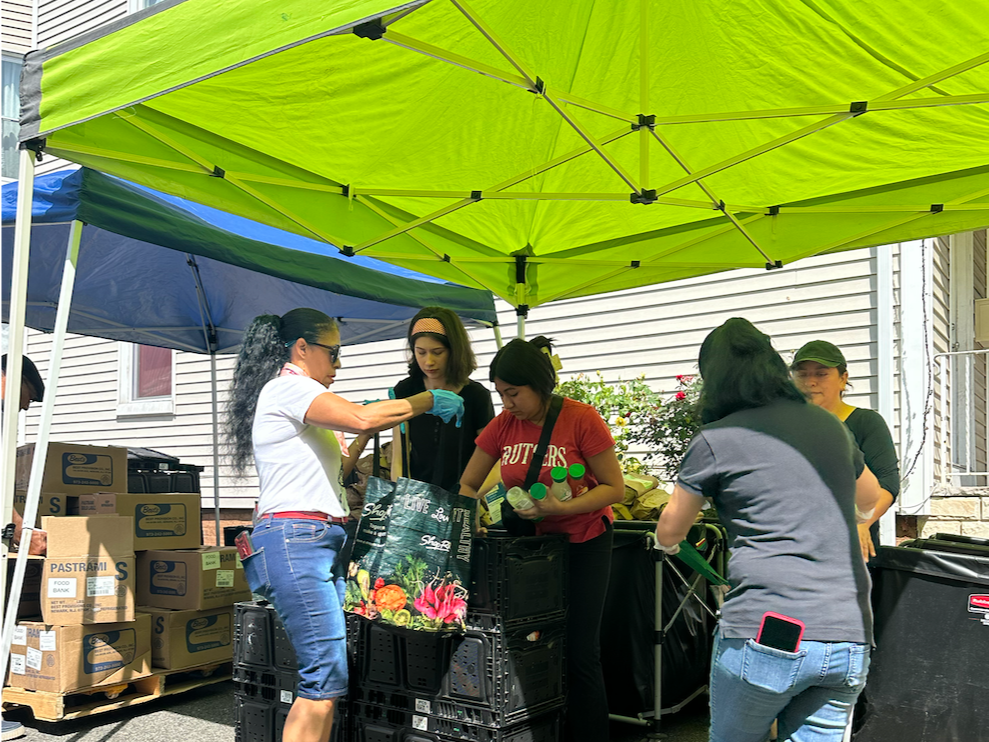
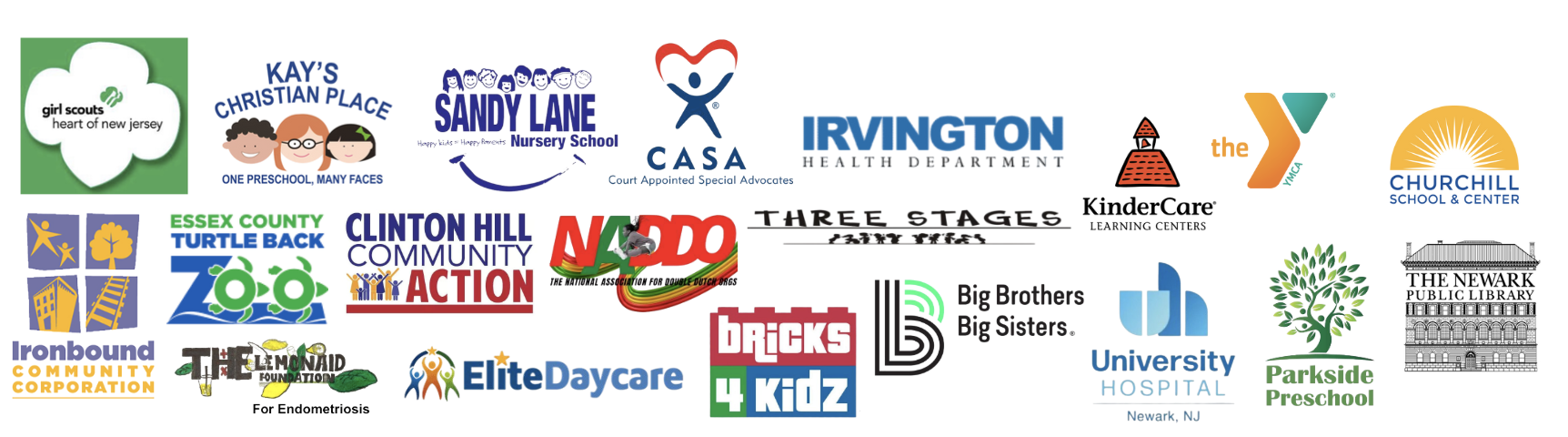
How Community Research Is Reshaping Trust, One Event at a Time. “I’m not gonna be your guinea pig.” It’s a line that lingers — voiced by a member of communities who have seen research done to them instead of with them. But a local initiative is turning the tide. CARES is showing students and faculty that ethical, inclusive research does not just belong in academic journals — it starts with active relationships. From the Essex County Turtle Back Zoo to Newark Public Library, from University Hospital’s Maternal Unit to regional childcare centers and numerous nonprofits, CARES is plugging into the heart of New Jersey’s community hubs.
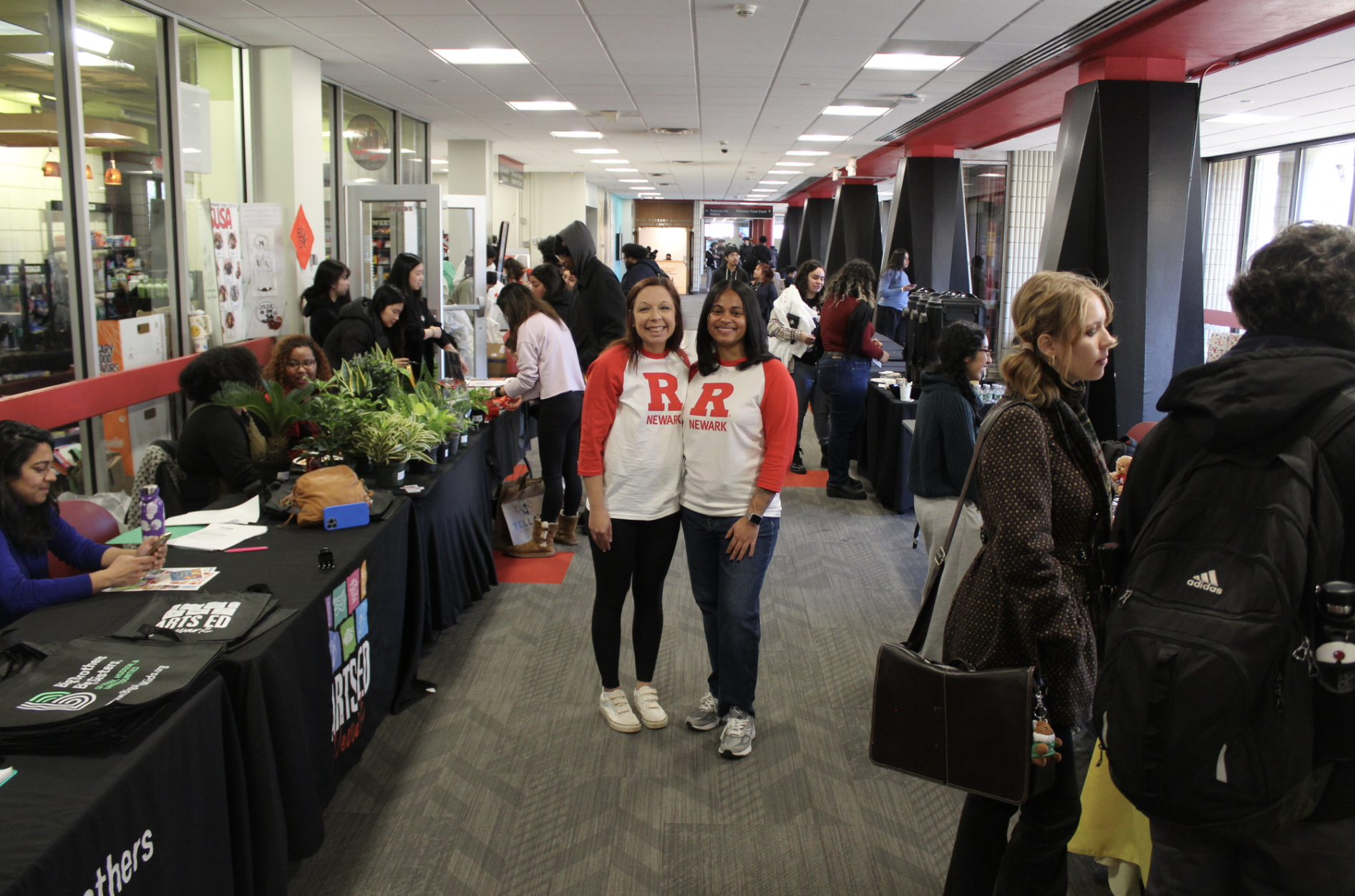
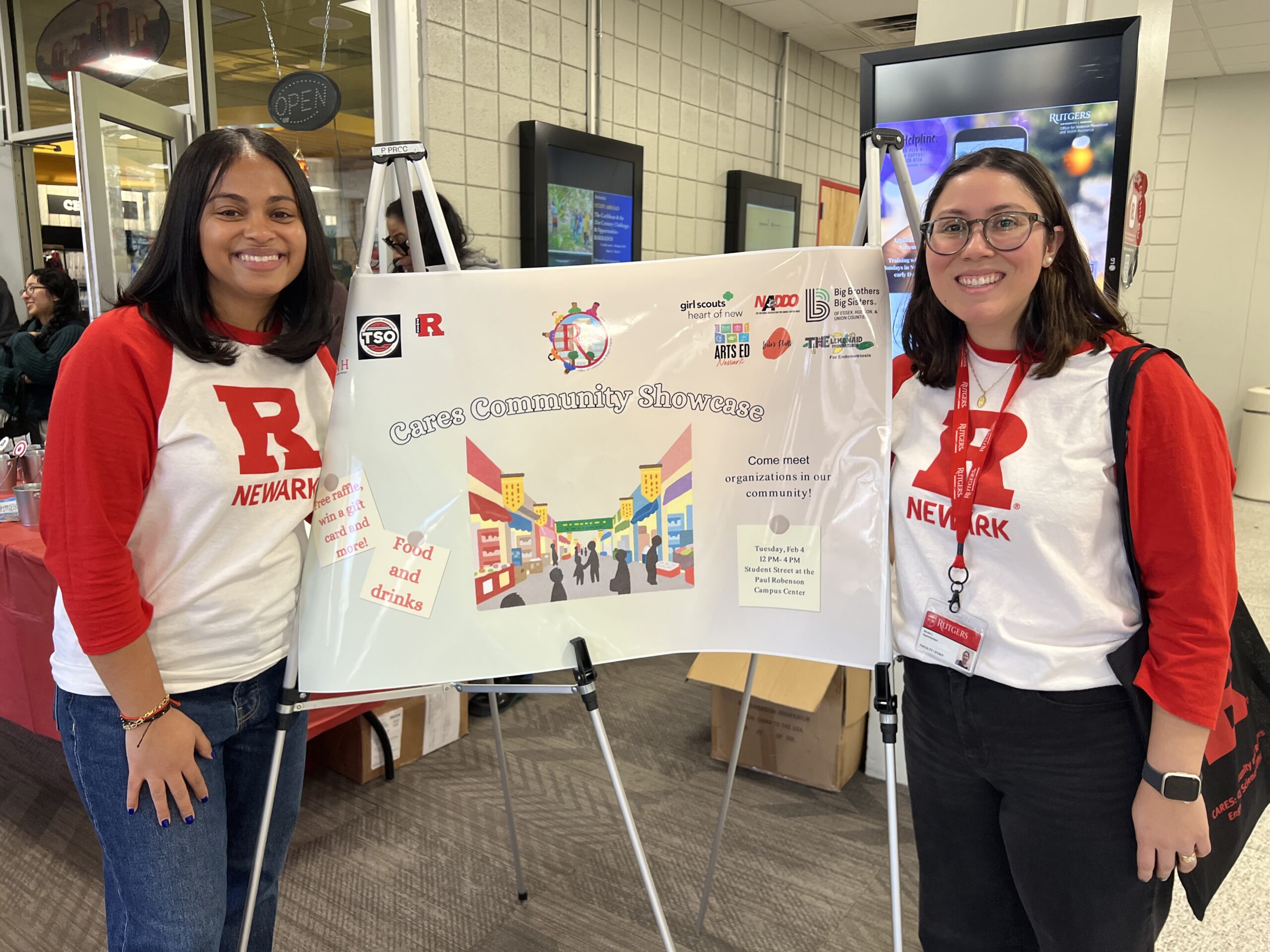
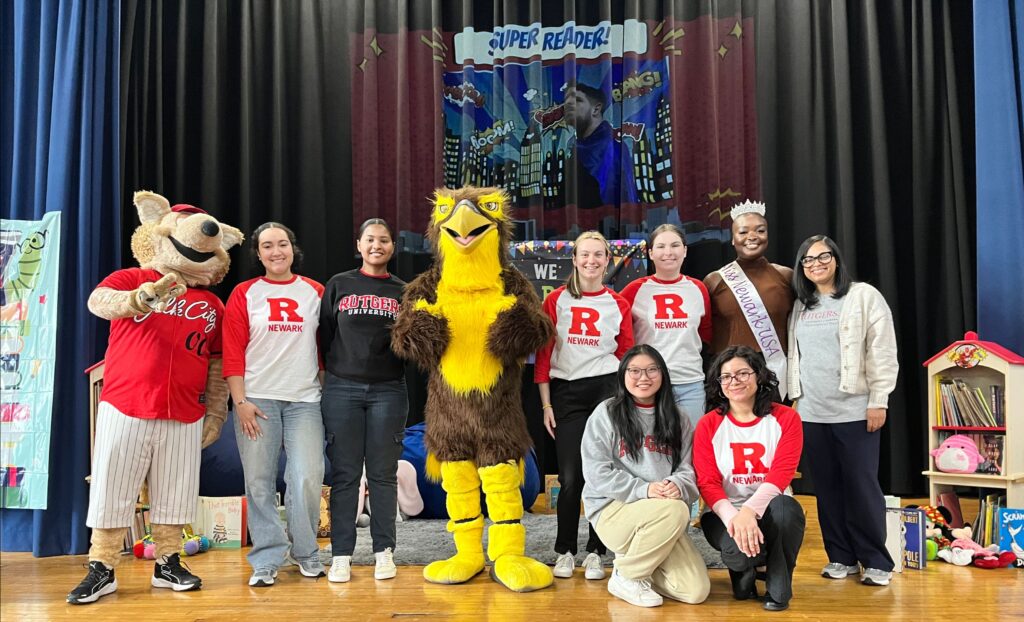
CARES in Action

These events are not just networking opportunities — they are invitations to build bridges between the campus and the community. With past collaborations leading to real impact for schools and institutions, CARES offers transparency, accountability, and results“We worked with these other schools in the past — and here’s how they benefited.” From better resources to stronger outreach, CARES shows how trust-based research can transform both academia and the community. The takeaway? Research is not a solo pursuit. CARES is a model for what happens when curiosity meets compassion — and students, faculty, and neighbors take part in the conversation.

CARES…Cares

CARES believes that sharing knowledge builds trust. That’s why future efforts include launching a team of student interns who will design brochures and outreach materials tailored for the communities labs work with. So whether you’re an aspiring researcher or a professor shaping the next wave of community-engaged scholarship — CARES is turning ethics into action. And it’s inviting students to play a hands-on role.

Click here for Dr. LoBue’s interview with Rutgers University – Newark’s Independent Student Paper: By Students, For Students.

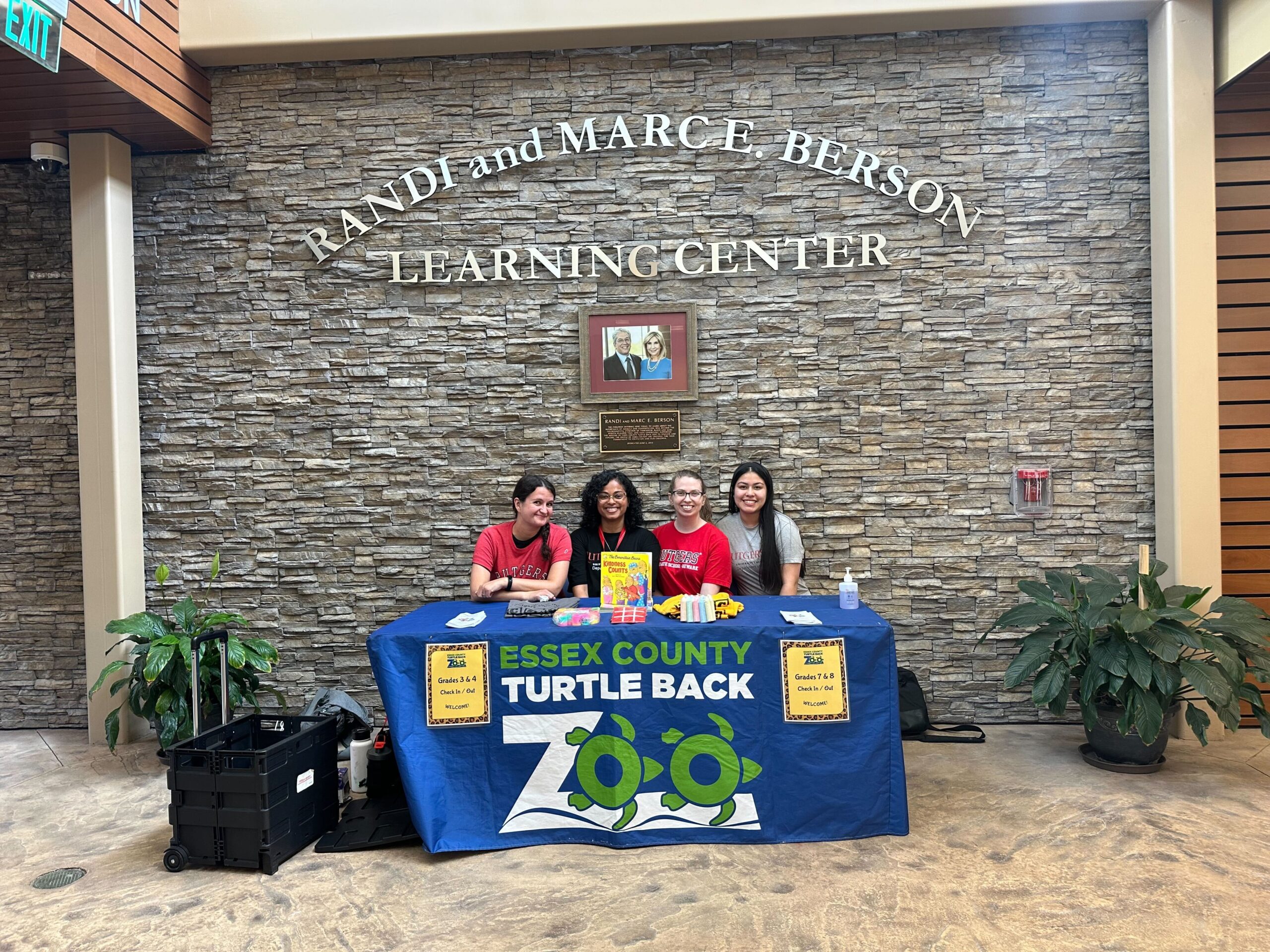
 Child Study Center Lab at Essex County Turtle Back Zoo


Take the recent project at Essex County’s Turtle Back Zoo. In partnership with the local zoo the Childe Study Center (CSC) gathered valuable insights on the direct and indirect animal experiences in informal learning settings that can help us better understand how to support children’s early biological learning. Geerdts, Van de Walle, and LoBue (2015) examined how parents support children’s biological knowledge through conversations at animal exhibits in informal learning environments. The study involved 52 families visiting a zoo’s penguin exhibit and a science museum’s insect exhibit, focusing on parent–child interactions and information shared. Results showed parents often provided unobservable biological information to younger children but rarely explained observable processes, missing chances to reinforce learning. Parental input varied by child age and exhibit type. The findings emphasize the role of parental engagement in informal science learning and suggest that more explicit explanations could improve children’s biological understanding. Researchers observed parent-child conversations about animals in informal learning environments — and now, those families are receiving the findings in a format they can actually use.

Click here for the full article.

Summer REU Fellowship

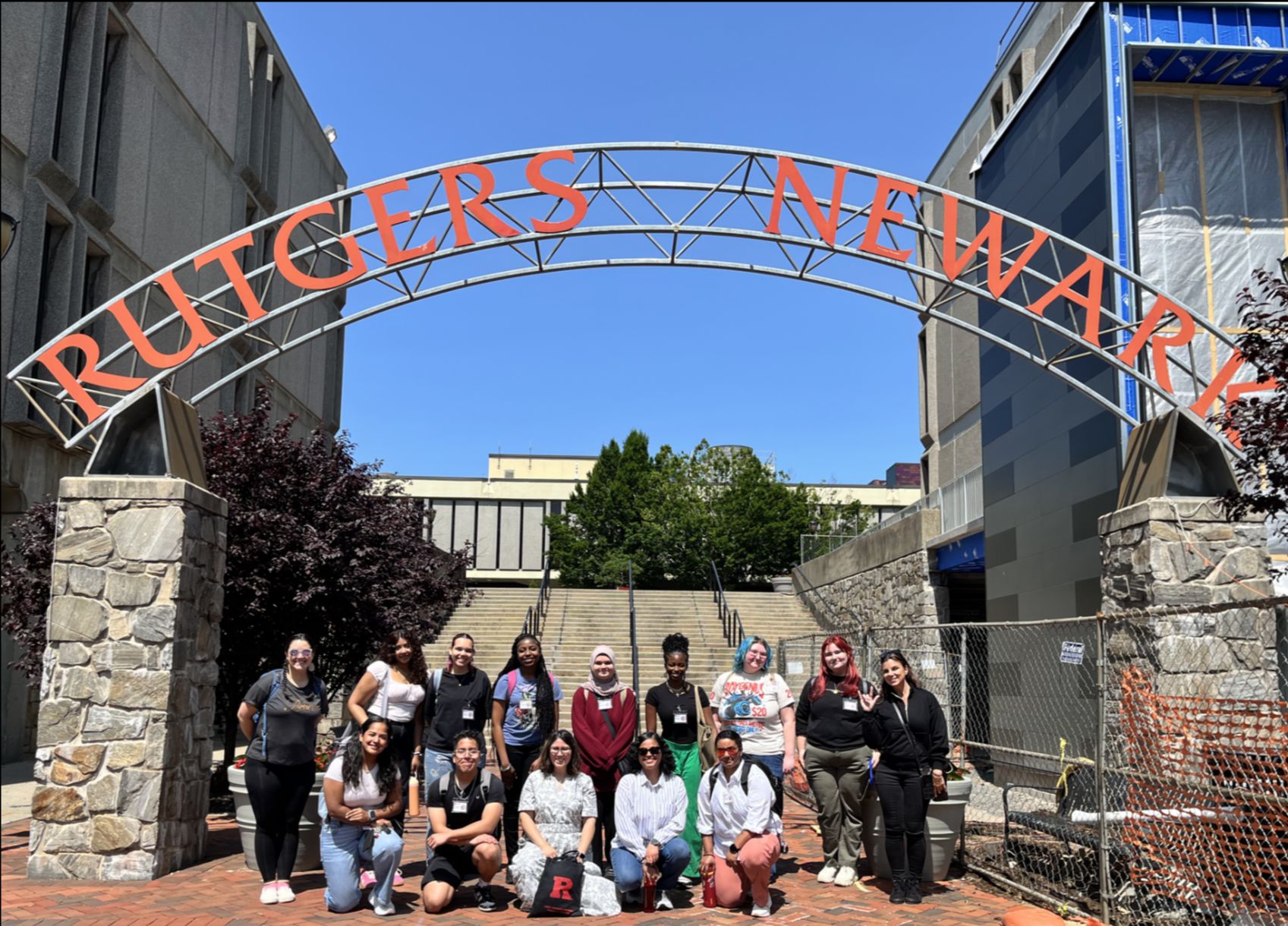
CARES flagship initiative is the Research Experience for Undergraduates (REU) Fellowship, a program designed for psychology majors from underrepresented backgrounds across STEM disciplines. The fellowship begins with seminar-based training that focuses on research methods, ethics, and career development. This is followed by a hands-on, 10-week summer research experience where fellows work closely with faculty and graduate students on active research projects. Through lab-based learning, mentorship, and professional development opportunities, fellows gain valuable skills in data collection, analysis, and scientific communication. The REU Fellowship not only strengthens research competence but also fosters a supportive community aimed at increasing access, equity, and long-term success in psychology and related fields.


A special THANK YOU to all of our community partners for your dedication and collaboration in helping us fulfill our mission. Your continued support plays a vital role in advancing our work and making a lasting impact!