Oak Spider Mites

Oak Spider Mites (Oligonychus bicolor) GDD Window (base 50): 802-1265 (1st generation) Overview: Classified as a warm season mite Overwinter as eggs on bark Thrives in dry conditions Feeding occurs … Read More
Oak Spider Mites (Oligonychus bicolor) GDD Window (base 50): 802-1265 (1st generation) Overview: Classified as a warm season mite Overwinter as eggs on bark Thrives in dry conditions Feeding occurs … Read More

Oak Lace Bug (Corythucha arcuata) GDD Window (base 50): 408-900 (egg laying/hatching) Overview: Feed on deciduous trees and overwinter as adults Adults have rectangular shaped wings Lay eggs on leaf … Read More

Mid-Summer Leaf Drop Overview: Host plants: linden, birch, sycamore are more susceptible Leaves of large shade trees drop mid-season Most times, this is a normal physiological growth habit for these species Trees drop foliage to reduce leaf … Read More
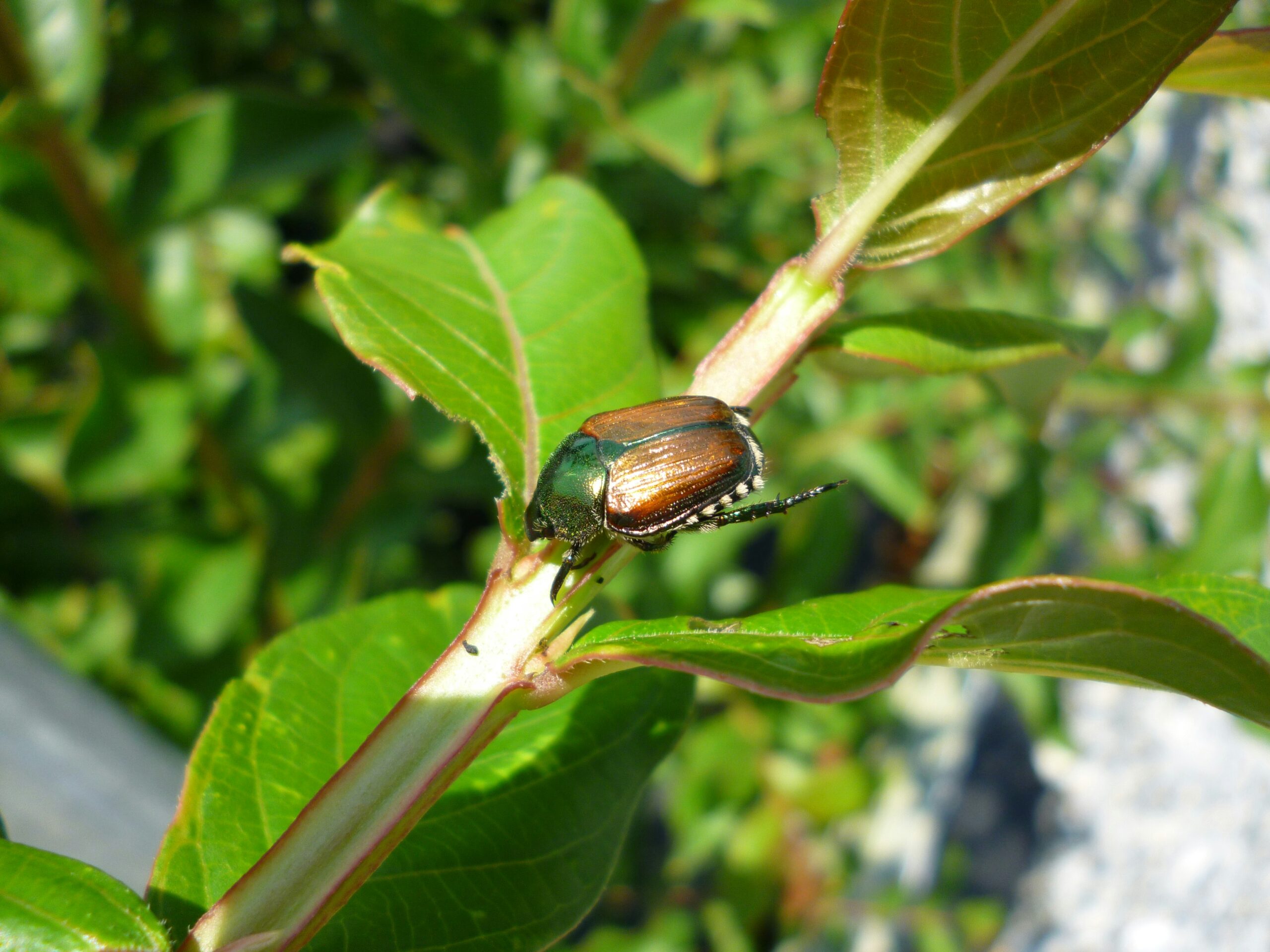
Japanese Beetle (Popillia japonica) GDD Window (base 50): 1029-2154 Overview: Mate, then feed and lay eggs for six weeks Adults appear on hosts from late June to early August Attracted … Read More
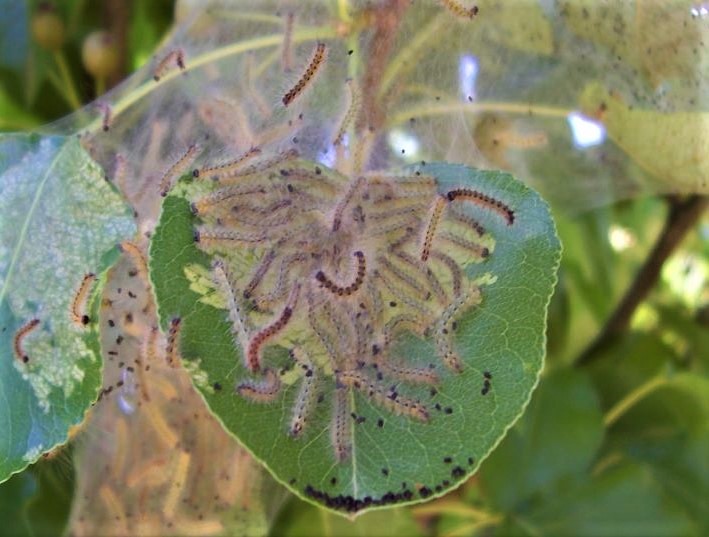
Fall Webworm (Hyphantria cunea) GDD Window (base 50): 1266-1795 Overview: Mostly visual concerns Feeds within silken webs which encircle branches, twigs, and leaves Similar web to eastern tent caterpillars … Read More

Potato Leafhopper (Empoasca fabae) GDD Window (base 50): 784 (emergence) Overview: Does not overwinter in NJ, but is carried-in by upper atmospheric winds from the gulf coast states Feeding damage … Read More

Parasitoid Wasps and Flies (Hymenoptera & Diptera) Overview: Cause the death of their hosts Feed on internal organs within hosts Majority of observed landscape parasitoids will be wasp or … Read More
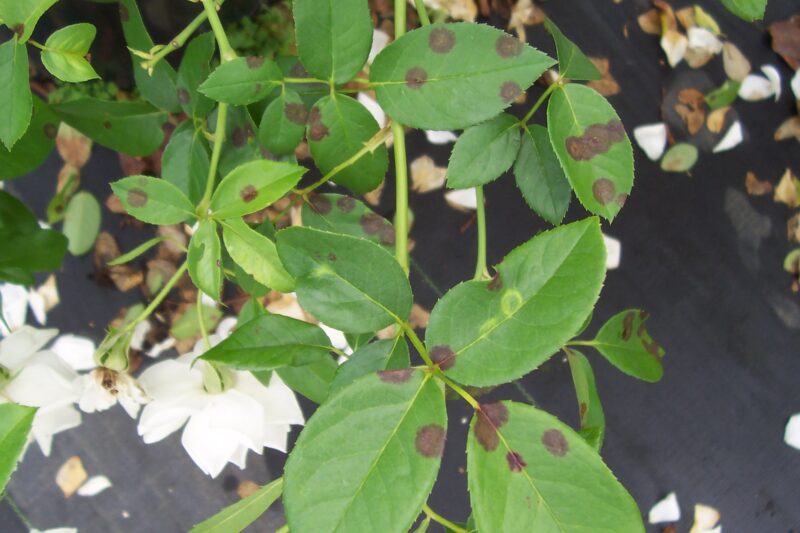
Black Spot of Rose (Diplocarpon rosae) Overview: Fungal disease that created black, circular spots with fringed edges on rose leaves, causing yellowing and defoliation Overwinters on infected canes and fallen … Read More
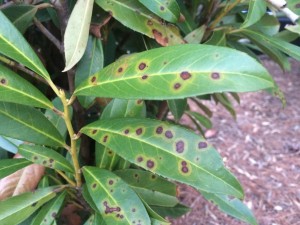
Bacterial Shot Hole and Fungal Look-a-Likes Overview: Bacterial infection caused by [mostly] Xanthomonas arbicola pv. pruni or [lesser] Pseudomonas syringae pv. syringae. creating uniform holes in leaves after spots drop out Spots turn red, purple, … Read More
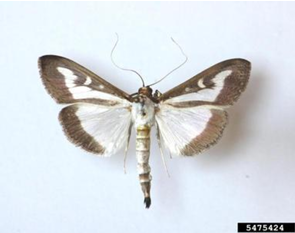
Box Tree Moth (Cydalima perspectalis) Overview: Invasive Lepidoptera native to eastern Asia Now found throughout most of Europe First detection in North America – Toronto 2018 (USA NY2021) BTM has been detected … Read More