Verticillium Wilt
Verticillium Wilt (Verticillium spp.) GDD Window (base 50): 306-1370 Overview: Verticillium albo-atrium or Verticillium dahlia Soil-borne fungal pathogen that can remain in the soil for up to seven years … Read More
Nickel Deficiency in River Birch GDD Window (base 50): First observations May – persisting throughout season Overview: Witch’s broom symptoms can occur Young leaves emerge as brown around the edges, … Read More
Bark Cracks of Tree Trunks Drought Cracks: Susceptible trees: maple, honey locust, crabapple, mountain ash, London-plane Occur most commonly when trees are first planted and a year or so after transplant … Read More
Plant Leaf Galls (Eriophyid mites) Overview: Abnormal growths triggered by various factors Appear as bumps, bladder, & spindle galls, or Erineums (dense cluster of plant hairs) as a plant’s reaction to the presence or activity of foreign substances Appear … Read More
Inner Needle Discoloration of Spruce (Picea spp.) Overview: Host plants: most common on White and Colorado spruce species, but sometimes seen on Norway spruce Current needle growth has a blue-green color, … Read More
Mid-Summer Leaf Drop Overview: Host plants: linden, birch, sycamore are more susceptible Leaves of large shade trees drop mid-season Most times, this is a normal physiological growth habit for these species Trees drop foliage to reduce leaf … Read More
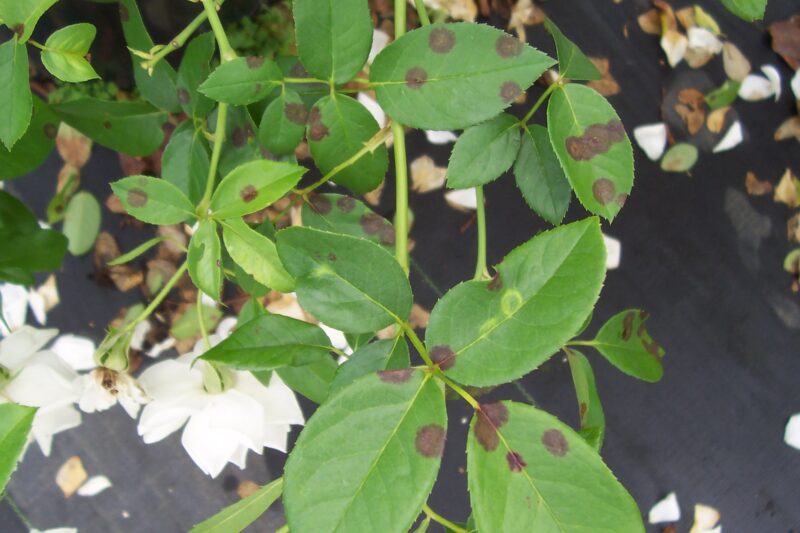
Black Spot of Rose (Diplocarpon rosae) Overview: Fungal disease that created black, circular spots with fringed edges on rose leaves, causing yellowing and defoliation Overwinters on infected canes and fallen … Read More
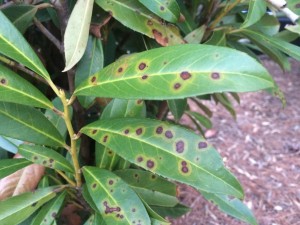
Bacterial Shot Hole and Fungal Look-a-Likes Overview: Bacterial infection caused by [mostly] Xanthomonas arbicola pv. pruni or [lesser] Pseudomonas syringae pv. syringae. creating uniform holes in leaves after spots drop out Spots turn red, purple, … Read More
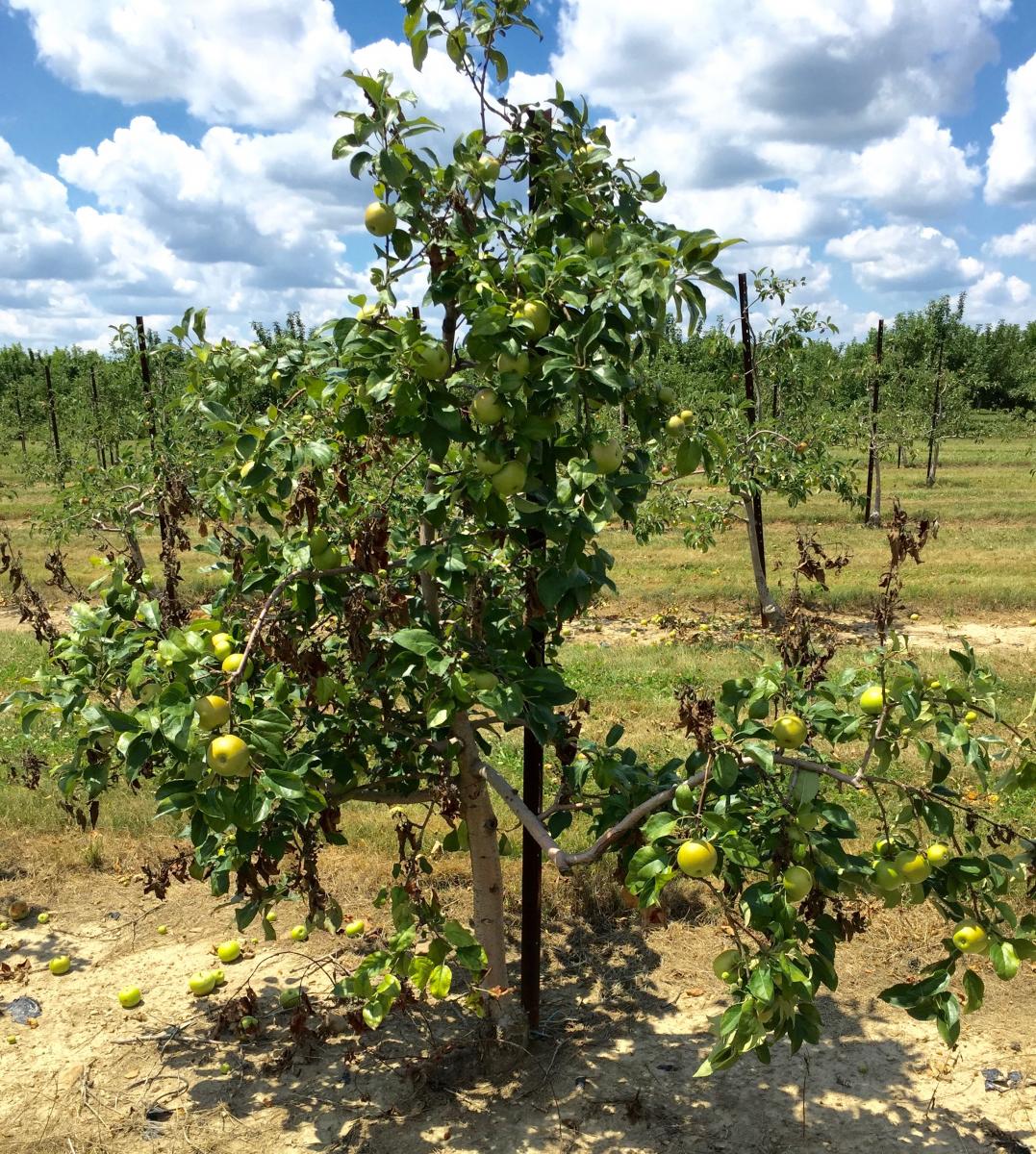
Fireblight (Erwinia amylovora) Overview: Caused by bacteria Erwinia amylovora Onset in the spring as bacterial cells ooze in a yellow-amber liquid from existing cankers on infected plants Bacteria spread to flowers, leaves, … Read More
Volutella Blight of Buxaceae Overview: Caused by Coccinonectria & Pseudonectria spp. Specifically, boxwood, pachysandra, and sarcococca Mature leaves are more resistant than young leaves Warm weather pathogen: 68-77F+, 85%+ humidity is … Read More