European Hornet (Vespa crabro)
GDD Window (base 50): 1388-2271 (1st activity)
Overview:
- Amber, honey-colored wasps that are 2x the size of bald-faced hornets
- Gouge bark sections to mix the woody tissue with their saliva to create paper nests and feed young larvae
- Return each season to the same tree or shrub
- Size of colony nests can range between 300-1000 workers
- Nests can be found near girdled trees/shrubs within the cavities of hollow tree trunks (often more than 6 feet above the ground)
- Colony can remain active until the late weeks of October and early November until all members begin to die-off
- Only the overwintering queens survive within protected nest areas
- Causes bark girdling and stripping
- Feeding occurs as if they are eating corn on the cob
- Branch death above these areas are inevitable since conducting tissues are severed
- Workers will often actively be foraging at night
- Can provide some beneficial pest controls for moths, caterpillars, yellow-jackets, etc.
- Can be a threat to domestic honeybee hives
- May sting if handled, but usually not aggressive towards people, but will become agitated and defensive if the nest colony is threatened
- Host plants: Birch, rhododendron, lilac, dogwood
Management:
Cultural Practices:
- Observing natural flight patterns away from host trees/shrubs may help to locate nest
Materials:
- No registered landscape or nursery pesticide materials for controls
- Plugging or use of an insecticide at entrance areas in trees or wall voids will probably not be effective since a new entrance will typically be created
- When necessary, hire a professional exterminator for the safe removal of nests
Resources:
European Hornet: The Mysterious Branch Girdler – Plant & Pest Advisory
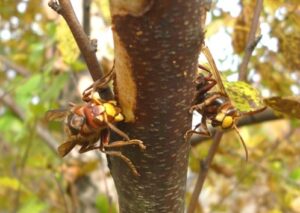
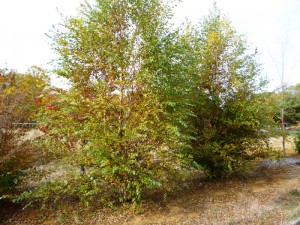
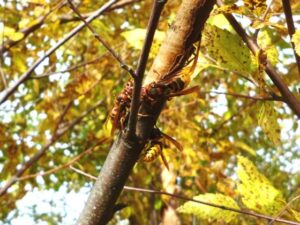
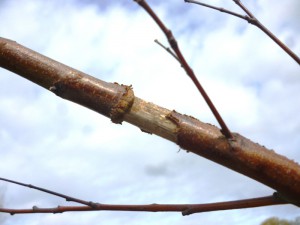
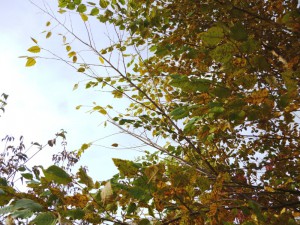
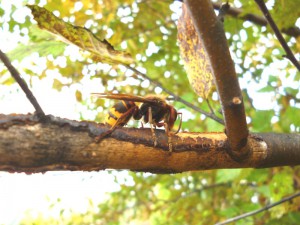
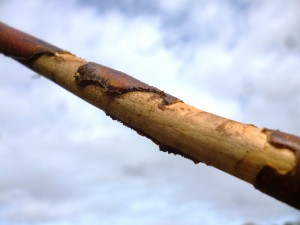
Photo by SK Rettke of RCE
Disclaimer – Materials do not cover all possible control scenarios and are intended for licensed professionals. Tradenames do not imply endorsement and are used as examples. You must strictly follow the label for each compound prior to use. Rutgers is not responsible form is used materials or damages thereof. The label is the law. Labels will provide detailed information on use and restrictions. Additionally, application intervals, compatibility, surfactant use, PHI, PPE, important and other key information is described in detail. Always discuss treatments with your local agents. Note: Neonicotinoids can only be legally applied in commercial agriculture settings by licensed applicators. Guidelines and recommendations made in this presentation are specific to the state of New Jersey.