Pest and Disease Index
Click each link to go to a page about that pest, disease, or beneficial insect.
Pests
Diseases
Beneficial Insects
| Dragonfly | Predacious Mites | ||
| Flower Fly | |||
| Lacewings | |||
| Lady Bird Beetle | |||
| Minute Pirate Bug | |||
| Parasitoid Wasps and Flies |
Click each post to view more information about that pest or disease.

Verticillium Wilt
Verticillium Wilt (Verticillium spp.) GDD Window (base 50): 306-1370 Overview: Verticillium albo-atrium or Verticillium dahlia Soil-borne fungal pathogen that can remain in the soil for up to seven years … Read More

Banded Ash Clearwing Moth Borer
Banded Ash Clearwing Moth Borer (Podosesia aureocincta) GDD Window (base 50): 306-1370 Overview: Adults emerge in late summer (late-August to early September) Adults are ½” to 1″ clearwing … Read More

Snails and Slugs
Snails and Slugs (Gastropoda spp.) Overview: Mollusks that thrive in cool, wet weather Soft, slimy bodies which move using a muscular foot while secreting a silvery mucus trail … Read More

Douglas-fir Needle Midge
Douglas-fir Needle Midge (Contarinia pseudotsugae) GDD Window (base 50): 200-400 (adult emergence) Overview: Larvae reside in the swollen areas of needles Often not observed during mid-summer Maggot is … Read More

Magnolia Scale
Magnolia Scale (Neolecanium cornuparvum) GDD Window (base 50): 2155-2800 Overview: These scales emerge in August and September rather than June & July, as most other soft scale species By mid-September, … Read More

Tulip Tree Scale
Tulip Tree Scale (Toumeyella liriodendri) GDD Window (base 50): 2032-2629 Overview: These scales emerge in August and September rather than June & July, as most other soft scale species By … Read More

Nickel Deficiency in River Birch
Nickel Deficiency in River Birch GDD Window (base 50): First observations May – persisting throughout season Overview: Witch’s broom symptoms can occur Young leaves emerge as brown around the edges, … Read More


Fleahopper
Fleahopper (Microtechnites bractatus) GDD Window (base 50): First observations May – persisting throughout season Overview: Small plant bugs that are about the size of fleas and jump around quickly to … Read More

Leafcutter Bees
Leafcutter Bees (Megachile mendica) GDD Window (base 50): First observations late spring – persisting throughout season Overview: About the size of a honey bee but are mostly black with white … Read More


Orange-Striped Oakworm
Orange-Striped Oakworm (Anisota senatoria) GDD Window (base 50): 1917 (egg hatch) Overview: Moths are brown with a white spot and a dark stripe down each wing Male moths are smaller … Read More
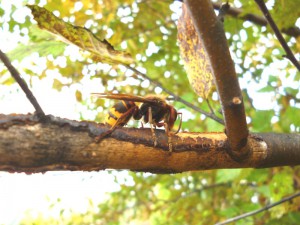
European Hornet
European Hornet (Vespa crabro) GDD Window (base 50): 1388-2271 (1st activity) Overview: Amber, honey-colored wasps that are 2x the size of bald-faced hornets Gouge bark sections to mix the woody … Read More
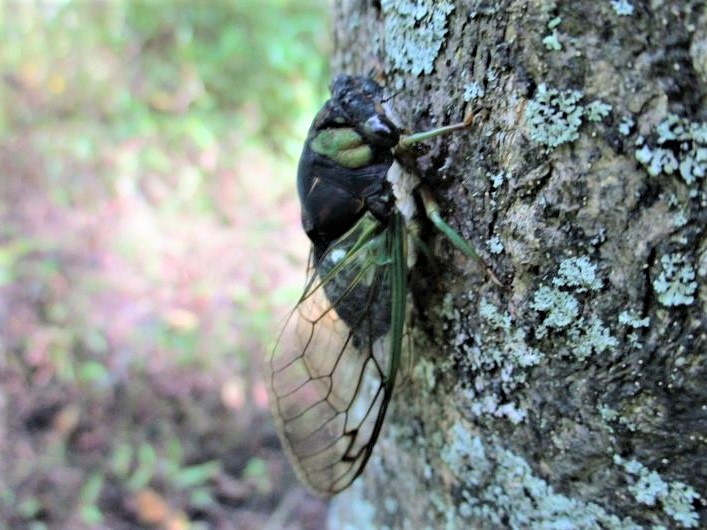
‘Dog-day’ Cicada
‘Dog-day’ Cicada (Neotibicen canicularis) GDD Window (base 50): 1500 (approx.) adult emergece Overview: Often overlooked because periodical cicadas are more publicized Emerge early July and die by mid-September Can be … Read More

Bark Cracks of Tree Trunks
Bark Cracks of Tree Trunks Drought Cracks: Susceptible trees: maple, honey locust, crabapple, mountain ash, London-plane Occur most commonly when trees are first planted and a year or so after transplant … Read More

Azalea Whitefly
Azalea Whitefly (Pealius azaleae) GDD Window (base 50): 448-700 (1st gen), 1250-1500 (2nd gen), 2032-2150 (3rd gen) Overview: Tiny, 1/16” long, powdery white insects that look like very small moths … Read More
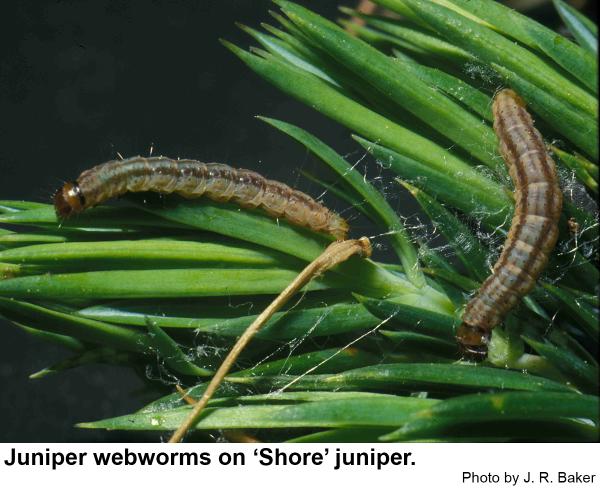
Juniper Webworm
Juniper Webworm (Dichomeris marginella) GDD Window (base 50): 1645-1917 Overview: Spins silk to fasten together the needles and twigs of juniper Overwinter as partially grown black-headed, brown striped worms inside … Read More

Predacious Mites
Predacious Mites (Phytoseiidae) Overview: Commonly found in and amongst spider mite populations Lay eggs singly in spider mite populations on the bottom of surface leaves along the veins All … Read More

Mimosa Webworm
Mimosa Webworm (Homadaula anisocentra) GDD Window (base 50): 880-1200 (1st gen egg hatch), 1800-2100 (2nd gen egg hatch) Overview: Overwinters as pupae in cocoons, and within bark flaps and cracks … Read More
Plant Leaf Galls (Eriophyid mites)
Plant Leaf Galls (Eriophyid mites) Overview: Abnormal growths triggered by various factors Appear as bumps, bladder, & spindle galls, or Erineums (dense cluster of plant hairs) as a plant’s reaction to the presence or activity of foreign substances Appear … Read More

Azalea Leafminer
Azalea Leafminer (Caloptilia azaleella) GDD Window (base 50): 450-800 (1st gen)/1260-1500 (2nd gen) Overview: Symptoms are often subtle and overlooked Early instar stages are leafminers, while the later instar stages are leafrollers … Read More

Inner Needle Discoloration of Spruce
Inner Needle Discoloration of Spruce (Picea spp.) Overview: Host plants: most common on White and Colorado spruce species, but sometimes seen on Norway spruce Current needle growth has a blue-green color, … Read More

Dogwood Sawfly
Dogwood Sawfly (Macremphytus tarsatus) GDD Window (base 50): 1151-1500 Overview: Adults are slender, shiny, black, wasp insects & emerge May to July Females insert up to 100 eggs into a leaf using an … Read More

Nantucket Pine Tip Moth
Nantucket Pine Tip Moth (Rhyacionia frustrana) GDD Window (base 50): 121-448 (1st gen larvae)/1514-1917 (2nd gen larvae) Overview: Caterpillar pest that overwinters as brown-colored pupae within branch tips On small … Read More

Two-Banded Japanese Weevil
Two-Banded Japanese Weevil (Pseudocneorhinus bifasciatus) GDD Window (base 50): 1644-2271 (adults) Overview: Adults are 3/16” long, round, and brown to gray with two dark bands across the wing covers … Read More

Minute Pirate Bug
Minute Pirate Bug (Orius tristicolor) Overview: This predator is a true bug & all three life stages are smaller than 0.2” in length Adults are oval-shaped, black, and sometimes … Read More
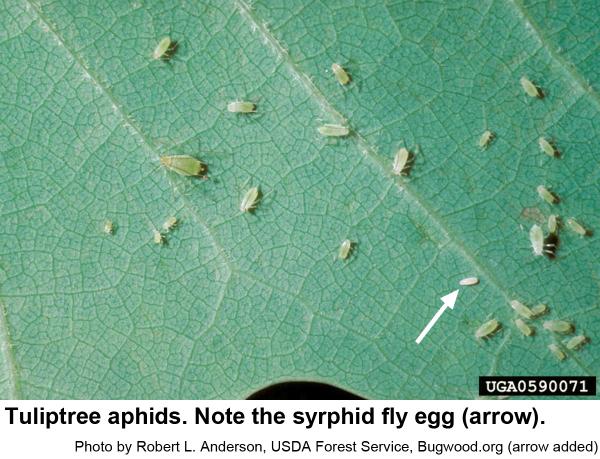
Tulip Tree Aphid
Tulip Tree Aphid (Illinoia liriodendri) GDD Window (base 50): 1151-1514, 1917-2033 Overview: Wingless aphids are 1/8” long, spindle-shaped, and pale greenish-yellow or pinkish-red, with black antennae that are longer than … Read More

Taxus Mealybug
Taxus Mealybug (Dysmicoccus wistariae) GDD Window (base 50): 246-618 Overview: Considered a type of scale insect Overwinter as 1st instar nymphs (soft scales overwinter as 2nd instar nymphs) Adults are 1/8″ long and covered with white cottony waxy filaments that makes them difficult to control White adults … Read More

Honeylocust Spider Mite
Honeylocust Spider Mite (Platytetranychus multidigituli) GDD Window (base 50): 220-250 (egg hatch) Overview: Orangish and yellow-green, overwintering adults are1/50” and found in bud scars and bark cracks Classified as a warm season … Read More

Maple Spider Mites
Maple Spider Mites (Acer rubrum) GDD Window (base 50): variable Overview: Overwinter in bark crevices as adults and eggs Some also seek refuge under dead armored scale insects Migrate to the underside of the leaves in … Read More

Oak Spider Mites
Oak Spider Mites (Oligonychus bicolor) GDD Window (base 50): 802-1265 (1st generation) Overview: Classified as a warm season mite Overwinter as eggs on bark Thrives in dry conditions Feeding occurs … Read More

Oak Lace Bug
Oak Lace Bug (Corythucha arcuata) GDD Window (base 50): 408-900 (egg laying/hatching) Overview: Feed on deciduous trees and overwinter as adults Adults have rectangular shaped wings Lay eggs on leaf … Read More

Mid-Summer Leaf Drop
Mid-Summer Leaf Drop Overview: Host plants: linden, birch, sycamore are more susceptible Leaves of large shade trees drop mid-season Most times, this is a normal physiological growth habit for these species Trees drop foliage to reduce leaf … Read More
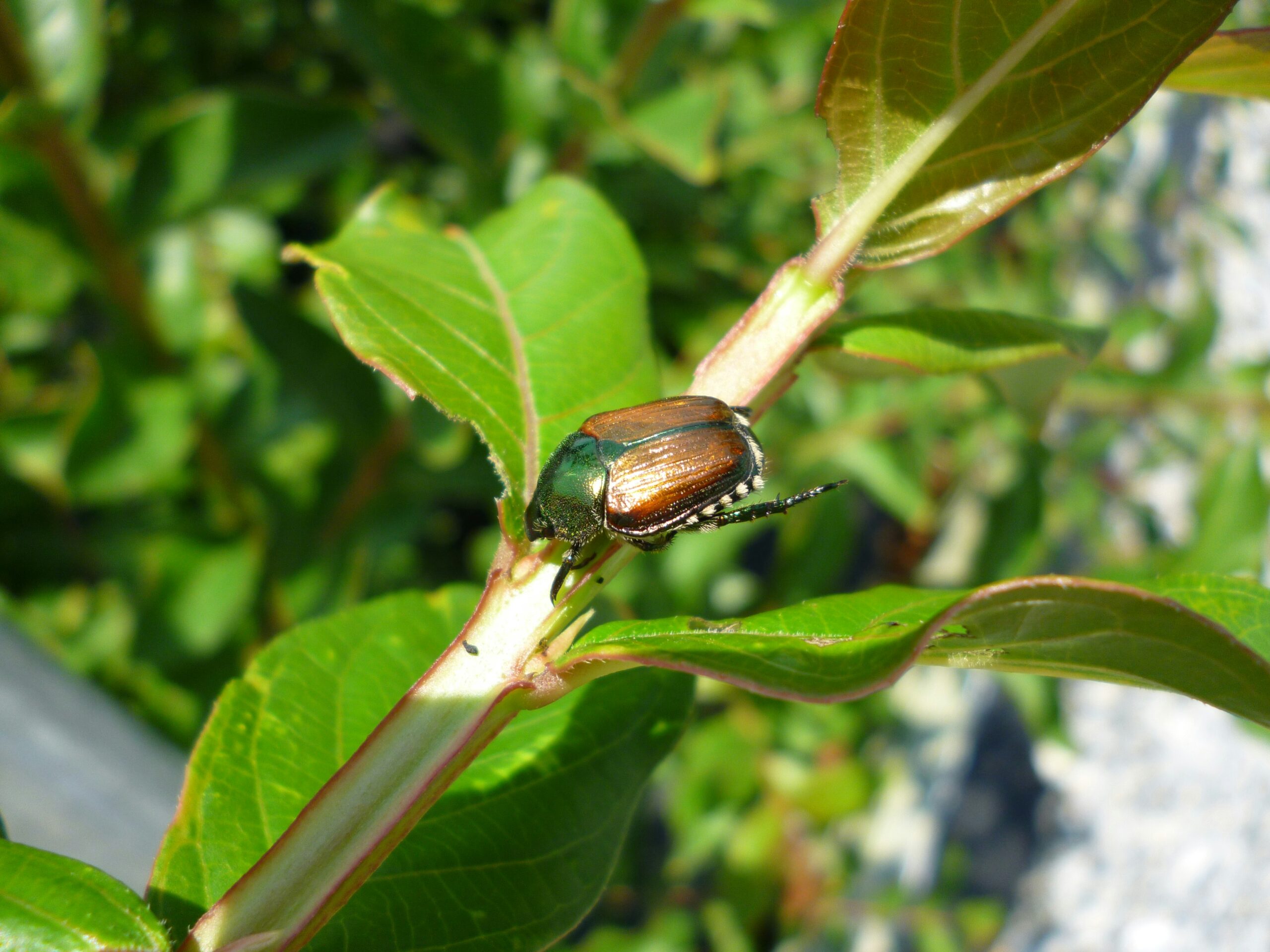
Japanese Beetle
Japanese Beetle (Popillia japonica) GDD Window (base 50): 1029-2154 Overview: Mate, then feed and lay eggs for six weeks Adults appear on hosts from late June to early August Attracted … Read More
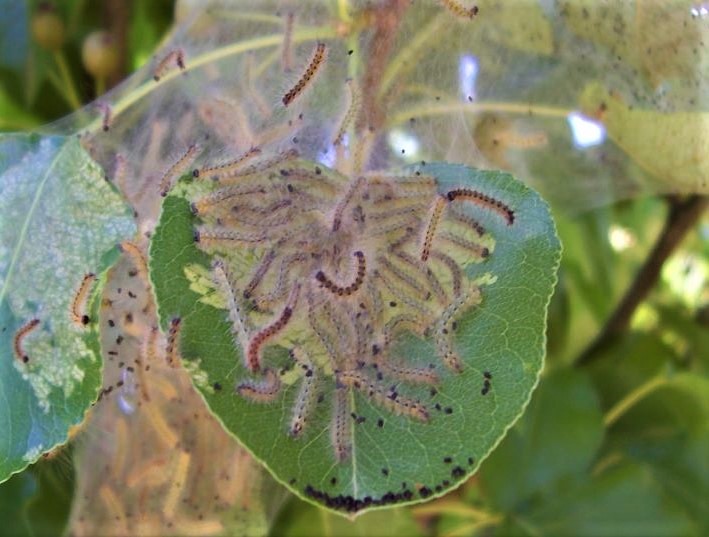
Fall Webworm
Fall Webworm (Hyphantria cunea) GDD Window (base 50): 1266-1795 Overview: Mostly visual concerns Feeds within silken webs which encircle branches, twigs, and leaves Similar web to eastern tent caterpillars … Read More

Potato Leafhopper
Potato Leafhopper (Empoasca fabae) GDD Window (base 50): 784 (emergence) Overview: Does not overwinter in NJ, but is carried-in by upper atmospheric winds from the gulf coast states Feeding damage … Read More

Parasitoid Wasps and Flies
Parasitoid Wasps and Flies (Hymenoptera & Diptera) Overview: Cause the death of their hosts Feed on internal organs within hosts Majority of observed landscape parasitoids will be wasp or … Read More
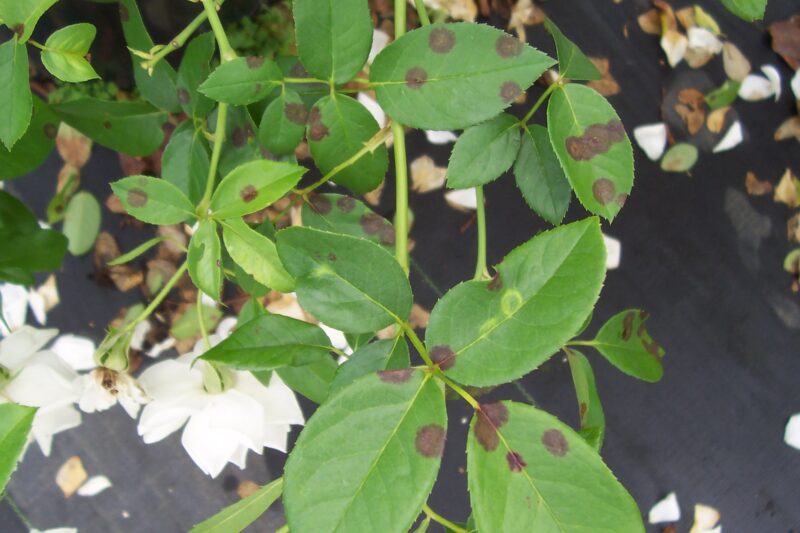
Black Spot of Rose
Black Spot of Rose (Diplocarpon rosae) Overview: Fungal disease that created black, circular spots with fringed edges on rose leaves, causing yellowing and defoliation Overwinters on infected canes and fallen … Read More
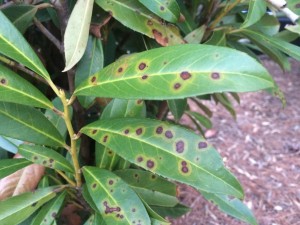
Bacterial Shot Hole
Bacterial Shot Hole and Fungal Look-a-Likes Overview: Bacterial infection caused by [mostly] Xanthomonas arbicola pv. pruni or [lesser] Pseudomonas syringae pv. syringae. creating uniform holes in leaves after spots drop out Spots turn red, purple, … Read More
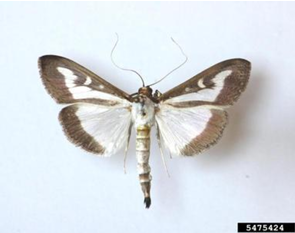
Box Tree Moth
Box Tree Moth (Cydalima perspectalis) Overview: Invasive Lepidoptera native to eastern Asia Now found throughout most of Europe First detection in North America – Toronto 2018 (USA NY2021) BTM has been detected … Read More
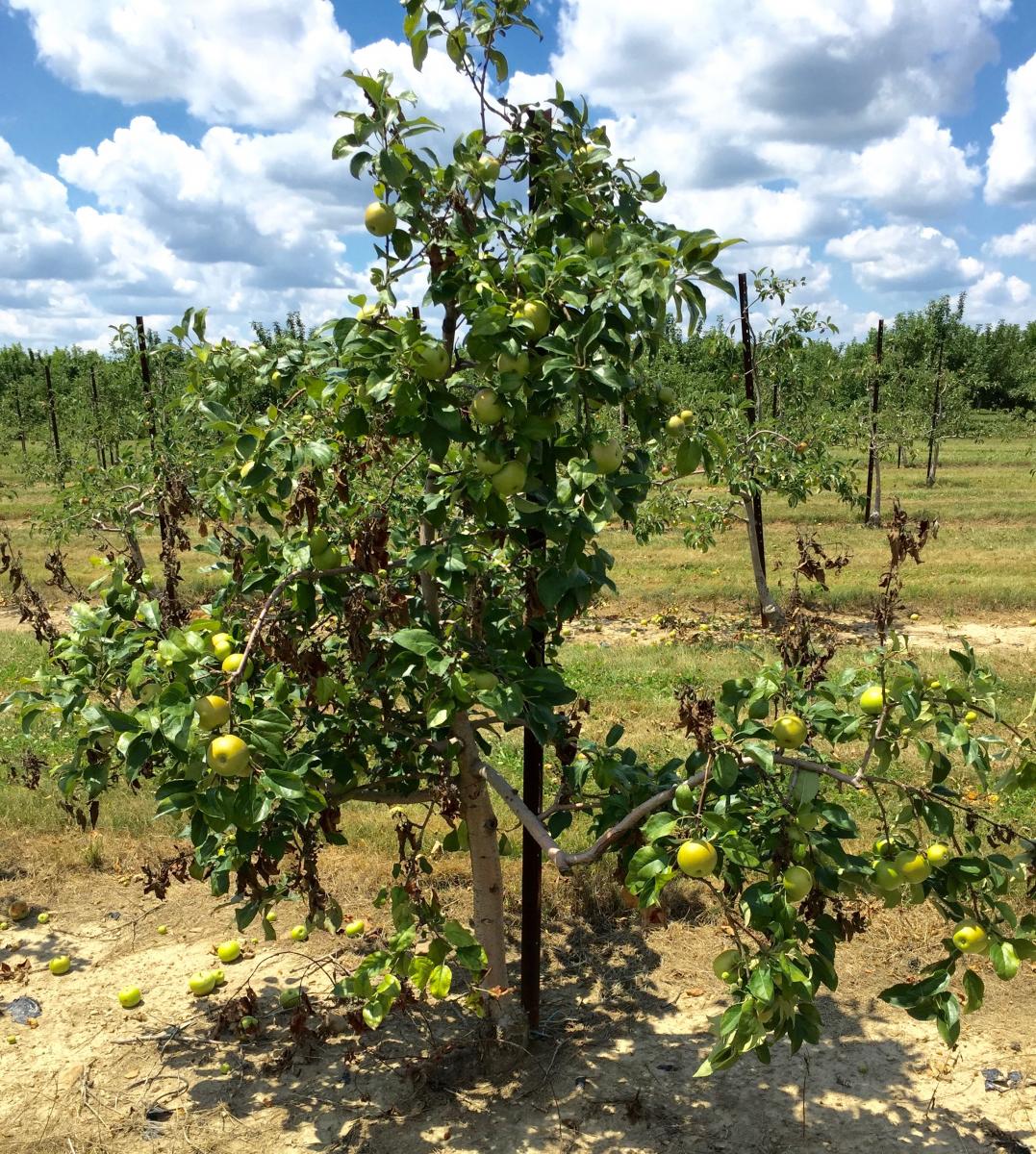
Fireblight
Fireblight (Erwinia amylovora) Overview: Caused by bacteria Erwinia amylovora Onset in the spring as bacterial cells ooze in a yellow-amber liquid from existing cankers on infected plants Bacteria spread to flowers, leaves, … Read More

Fletcher Scale
Fletcher Scale (Parthenolecanium fletcheri) GDD Window (base 50): 600-1200 Overview: Adults are 2-4mm in diameter, dome-shaped soft scales, brown to tan in color, and usually found on twigs and stems Nymphs are … Read More

Cottony Camellia Scale
Cottony Camellia Scale (Pulvinaria floccifera) GDD Window (base 50): 802-1388 Overview: Soft scales with a cottony mass of eggs found on branches and leaves of host plants Mature females are … Read More

Calico Scale
Calico Scale (Eulecanium cerasorum) GDD Window (base 50): 750-1200 (all eggs hatched by 1500 GDD) Overview: Rounded, dome-shaped insects with a mottled brown and white pattern, up to ¼” in … Read More

Indian Wax Scale
Indian Wax Scale (Ceroplastes ceriferus) GDD Window (base 50): 700-1200 Overview: Soft-bodied insects covered in white, waxy secretions, and found on branches and stems Adult females are rounded, hemispherical, white, … Read More

Two Spotted Spider Mite
Two Spotted Spider Mite (Tetranychus urticae) GDD Window (base 50): 363-618 (emerging overwintering females) Overview: Microscopic (1/50”) arachnids with oval bodies, typically yellow-orange in color, with two dark spot on each … Read More
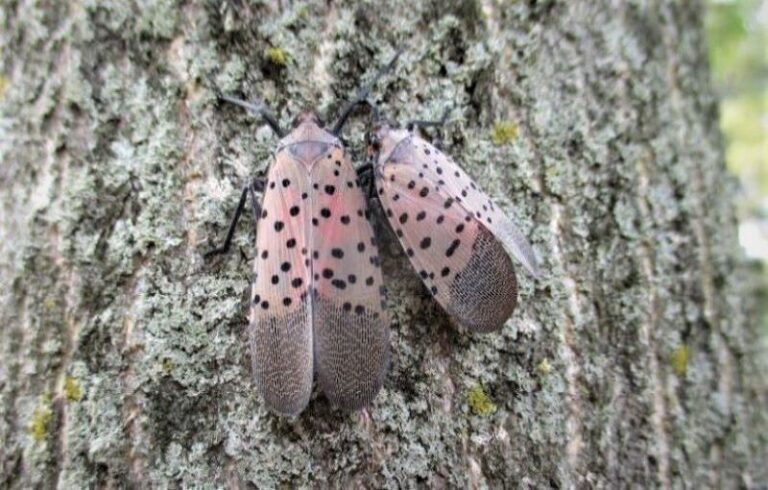
Spotted Lanternfly
Spotted Lanternfly (Lycorma delicatula) GDD Window (base 50): Adult emergence at 1100-1700 Overview: Overwinter as egg masses on smooth surfaces, looking like a patch of mud In mid-May, juveniles hatch … Read More
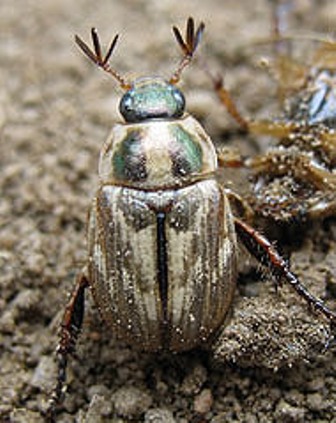
Oriental Beetle
Oriental Beetle (Anomala orientalis) GDD Window (base 50): 450-1500 Overview: Small, oval beetles with a tan to dark brown shell, often with darker mottling Adults are about 8-11 mm long … Read More

Flower Fly
Flower Fly (Syrphidae spp.) Overview: AKA hoverfly, syrphid fly Adults resemble bees (yellow or white and black striped abdomens), but are stingless flies & are not predators 1/8 to 5/8″ long … Read More

European Pine Sawfly
European Pine Sawfly (Neodiprion sertifer) GDD Window (base 50): 35-145 – hatched larvae, 100-195 – 1st larvae active Overview: Also known as Redheaded pine sawfly Mature larvae are grayish-green, 18-25 mm … Read More
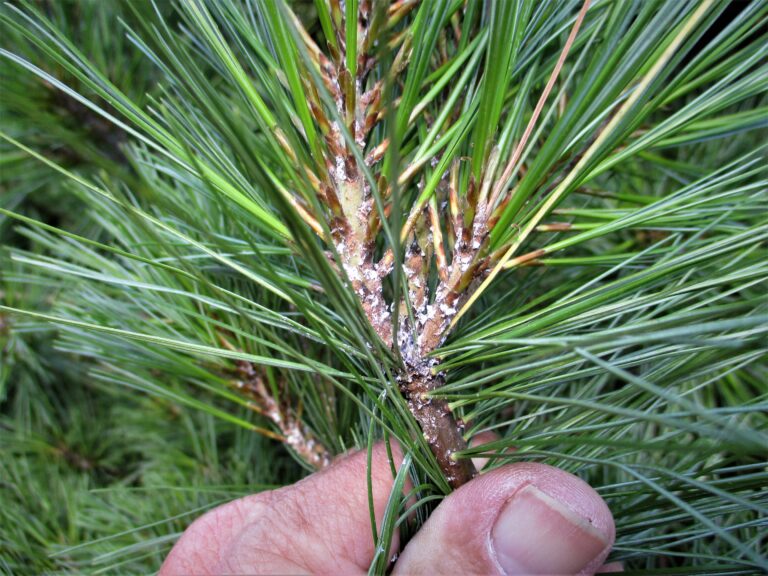
Pine Bark Adelgid
Pine Bark Adelgid (Pineus strobi) GDD Window (base 50): 25-100 Overview: 1/16″ long, soft-bodied, aphid-like insects. Adult females are bluish-green, covered with cottony, waxy strands. Overwinter as partially grown females, maturing into … Read More
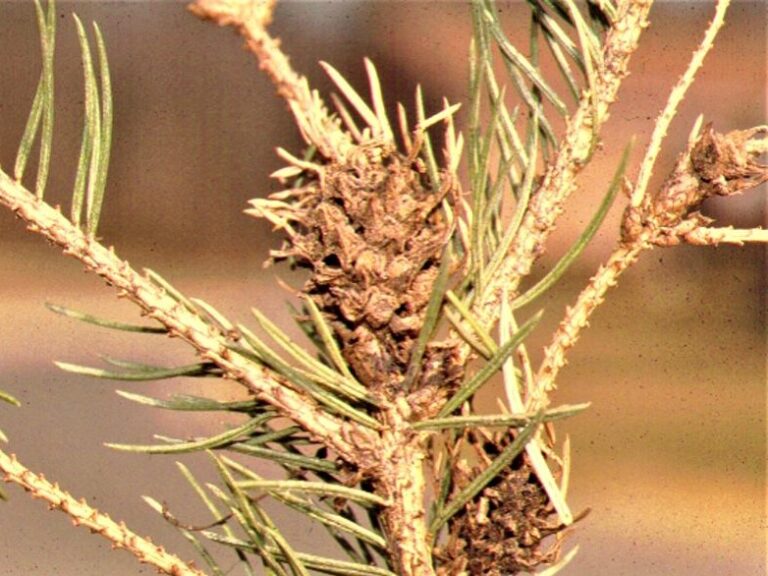
Eastern Spruce Gall Adelgid
Eastern Spruce Gall Adelgid (Adelges abietis) GDD Window (base 50): 25-100 Overview: 1/16″ long, soft-bodied, aphid-like insects. Adult females are bluish-green, covered with cottony, waxy strands. Overwinter as partially grown females, maturing … Read More

Cooley Spruce Gall Adelgid
Cooley Spruce Gall Adelgid (Adelges cooleyi) GDD Window (base 50): 25-120 – spring control of overwintering females, 90-180 – 1st adults active (Douglas-fir), 210-310 – 1st galls visible (spruce) Overview: … Read More
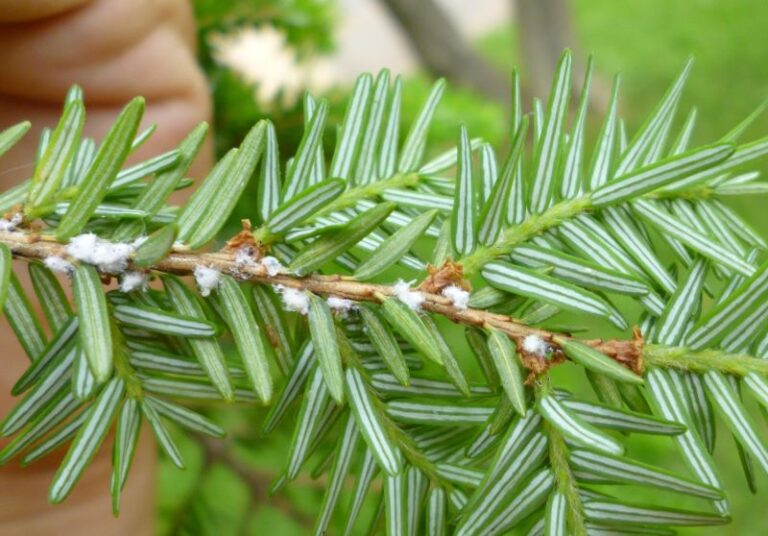

Balsam Twig Aphid
Balsam twig aphid (Mindarus abietinus) GDD Window (base 50): 100-150 Overview: 1/16 to 1/8″ long, appearance varies with life stage Eggs are brown and covered in white waxy rod-like structures … Read More
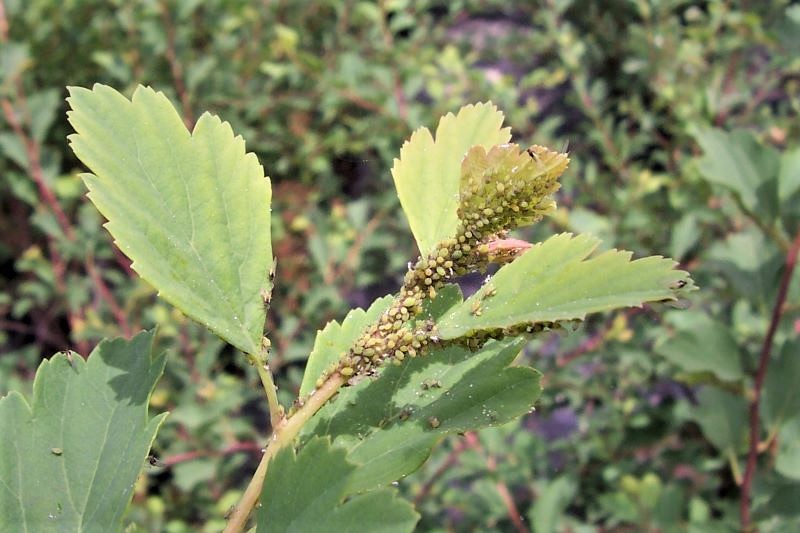

Volutella Blight
Volutella Blight of Buxaceae Overview: Caused by Coccinonectria & Pseudonectria spp. Specifically, boxwood, pachysandra, and sarcococca Mature leaves are more resistant than young leaves Warm weather pathogen: 68-77F+, 85%+ humidity is … Read More
Japanese Maple Scale
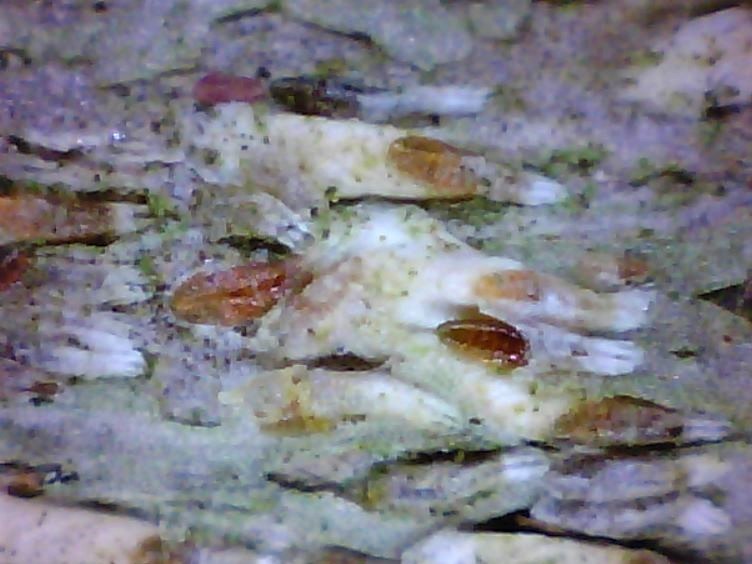
Japanese Maple Scale (Lopholeucaspis japonica) GDD Window (base 50): 800-1200 (1st gen), 2500+ (2nd gen) Overview: Host plants: Large host range, including maples, firethorn, serviceberry, lilac, cotoneaster, Prunus 1st generation crawlers … Read More

Juniper Scale
Juniper Scale (Carulaspis juniperi) GDD Window (base 50): 22-148 (dormant), 707-1260 (crawlers) Overview: Female covers are circular and white (1/16” in diameter) Male covers are elongated and white, but smaller in size … Read More
White Prunicola Scale
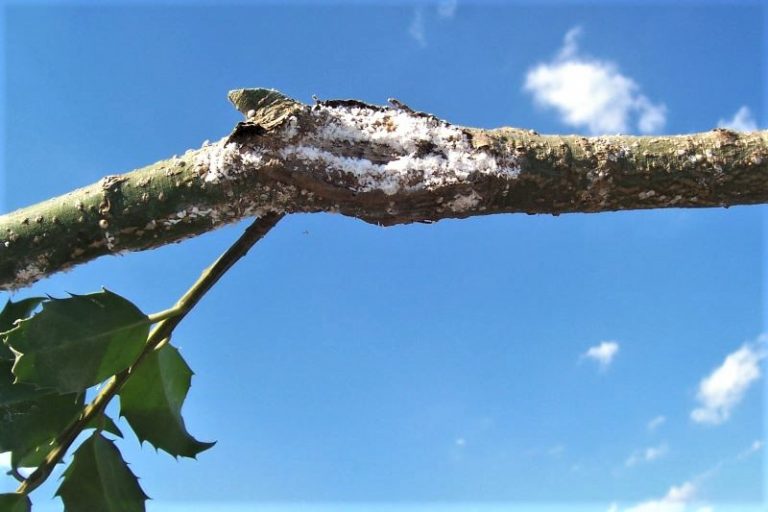
White Prunicola Scale (Pseudaulacaspis prunicola) GDD Window (base 50): 707-1151 Overview: Overwinter on bark as mated females Most infestations occur on the stems and major branches Armored scale, difficult to control … Read More

Cryptomeria Scale
Cryptomeria Scale (Aspidiotus cryptomeriae ‘Kuwana’) GDD Window (base 50): 533-820 Overview: Beware of the scale hiding beneath a transparent cover! Overwinter as immature nymphs in a waxy covering on needles … Read More
Euonymus Scale
Euonymus Scale (Unaspis euonymi) GDD Window (base 50): 533-820 Overview: Armored scale, waxy covering protects them from predators and pesticides (Overwinter on bark as mated females) Scale crawlers are light-yellow in … Read More
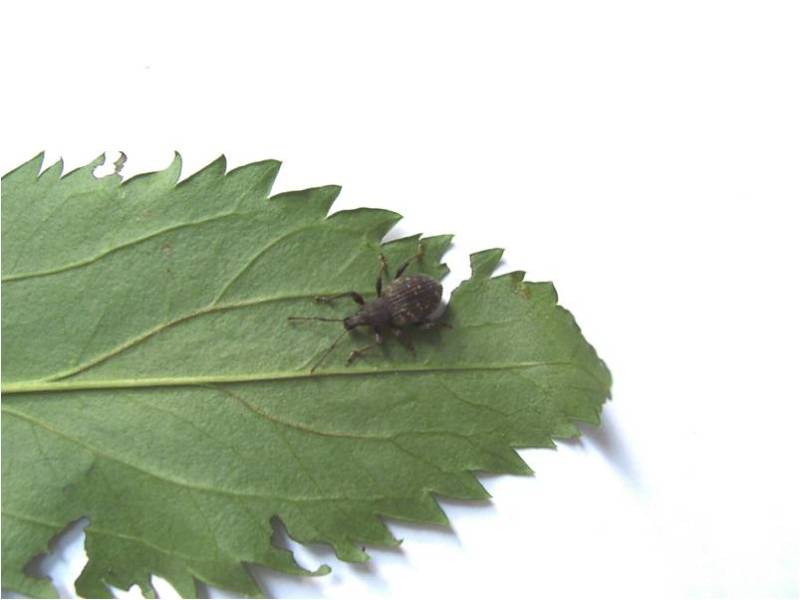
Black Vine Weevil
Black Vine Weevil (Otiorhynchus sulcatu) GDD Window (base 50): 400-900 Overview: Also known as taxus weevil Larvae are white, legless, and C-shaped with a brown head Adults are gray to … Read More
Greater Peach Tree Borer
Greater Peach Tree Borer (Synanthedon exitosa) GDD Window (base 50): 600-1800 Overview: Overwinters as various larvae stages Adults are often mistaken for wasps when flying Females are dark blue … Read More
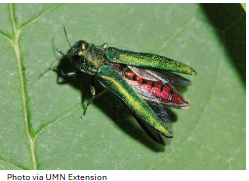
Emerald Ash Borer
Emerald Ash Borer (Agrilus planipennis) GDD Window (base 50): 450-500 Overview: Adults are wood-boring beetles that are bright metallic green in color, bullet-shaped, and 1/3” long with two pairs … Read More
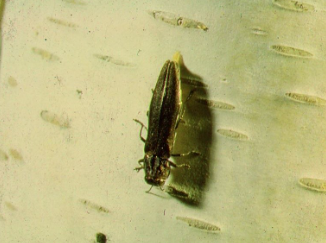
Bronze Birch Borer
Bronze Birch Borer (Agrilus anxius) GDD Window (base 50): 400-880 Overview: Adults are black beetles with a shiny greenish-bronze color on their backs, about ½” long Mostly found on … Read More


Root Disease Oomycetes
Root Disease Oomycetes Overview: These are NOT fungi** …but called ‘water molds’ Cell walls are cellulose based, not chitin based like fungi & insects Require Oomycete specific materials [Oomycides] Often … Read More
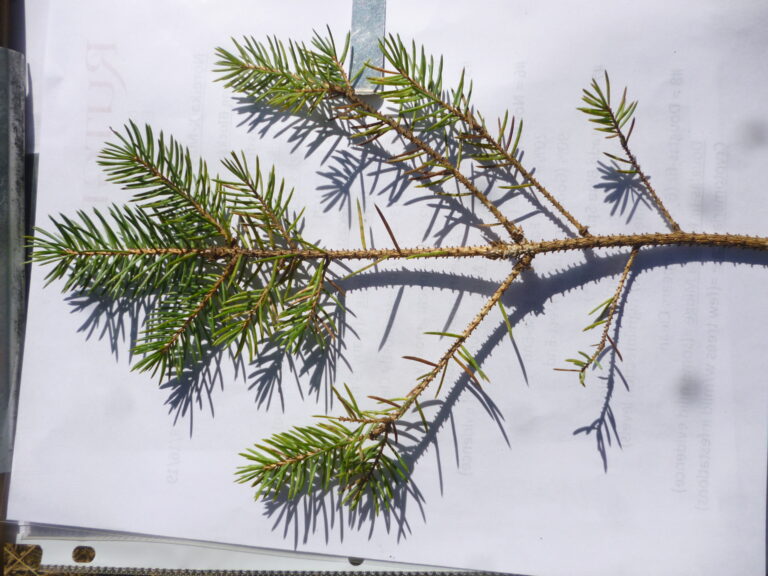
Rhizosphaera Needle Cast
Rhizosphaera Needle Cast Overview: Caused by several fungi species in the genus Rhizosphaera Impacts spruce trees Specifically, Colorado blue spruce, white spruce, and Oriental spruce Norway and red spruce are more resistant … Read More
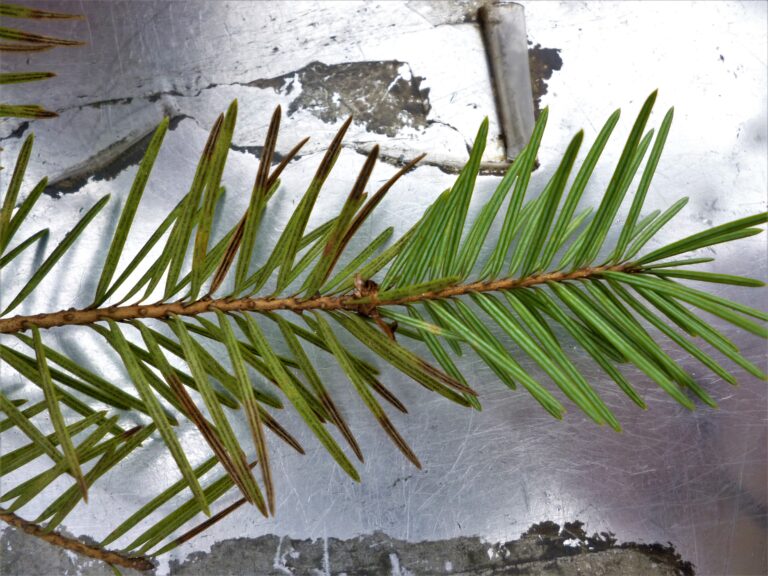
Swiss Needle Cast
Swiss Needle Cast Overview: Fungal disease caused by the fungus Nothophaeocryptopus gaeumannii (aka: Phaeocryptopus gaumannii) Impacts Douglas-fir Growth and symptom development is favored by wet environmental conditions Needles become discolored (blotchy yellow or completely … Read More

Rhabdocline Needle Cast
Rhabdocline Needle Cast Overview: Foliage disease caused by fungi in the genus Rhabdocline Primarily impacts needles of Douglas-fir (Pseudotsuga menziesii) from seedling stage to 30 years of age Outbreaks are associated with … Read More
Needle Cast Diseases
Needle Cast Diseases Overview: There are many diseases that impact conifer foliage Particularly harmful to Douglas fir and spruce trees Causes needles to turn brown, yellow, or purple, and eventually drop … Read More
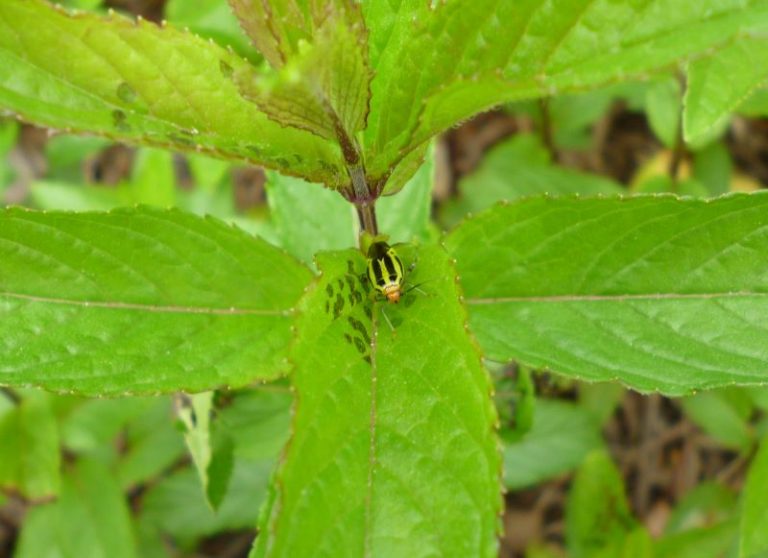
Fourlined Plant Bug
Fourlined Plant Bug (Poecilocapus lineatus) GDD Window (base 50): 90-1500 Overview: Eggs overwinter in tender shoots and plant debris Nymphs hatch as small adults with black and yellow striped … Read More
Oystershell Scale (Lepidosaphes ulmi) GDD Window (base 50): 363-707 (egg hatch and crawler emergence) Overview: Overwinter as tiny white eggs under the waxy cover of the female Eggs hatch … Read More
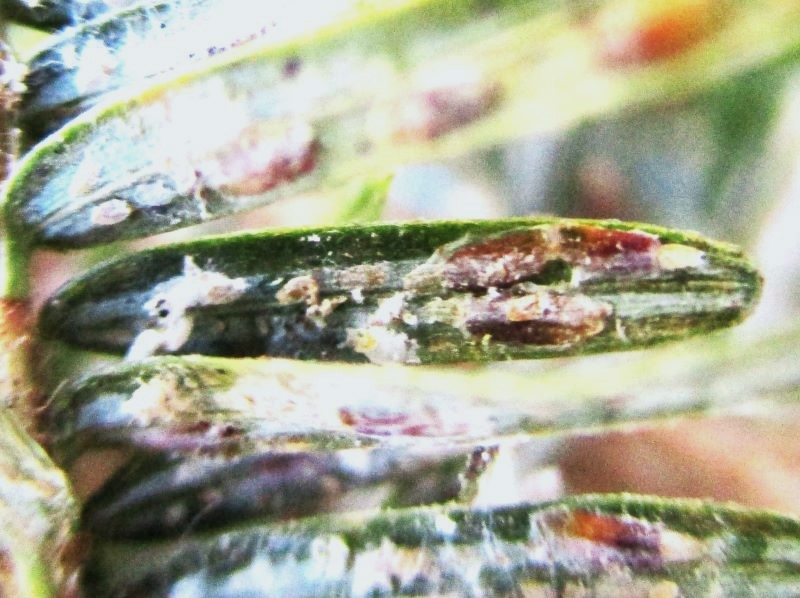
Elongate Hemlock Scale
Elongate Hemlock Scale (Chionaspis pinifoliae) GDD Window (base 50): 360-700 (1st generation) Overview: Overwinters as egg or as female carrying egg Females are oval, flat, and tan/translucent, males are … Read More

Pine Needle Scale
Pine needle scale (Chionaspis pinifoliae) GDD Window (base 50): 298-448 (1st generation), 1290-1917 (2nd generation) Overview: Overwinter as live females or bright red eggs beneath the wax cover of … Read More
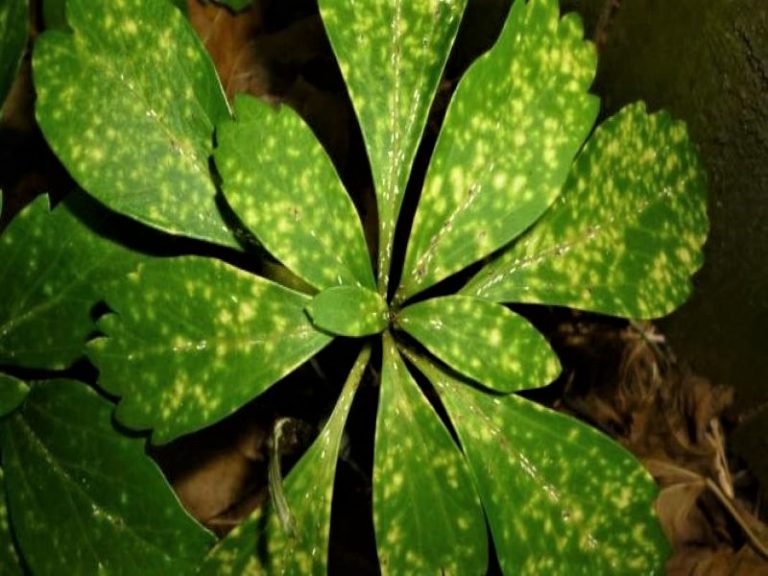
Armored Scales
Armored Scales (Diaspididae) GDD Window (base 50): variable depending on species Overview: Characterized by a hard, waxy, protective covering that is separate from their body, making them less susceptible to … Read More
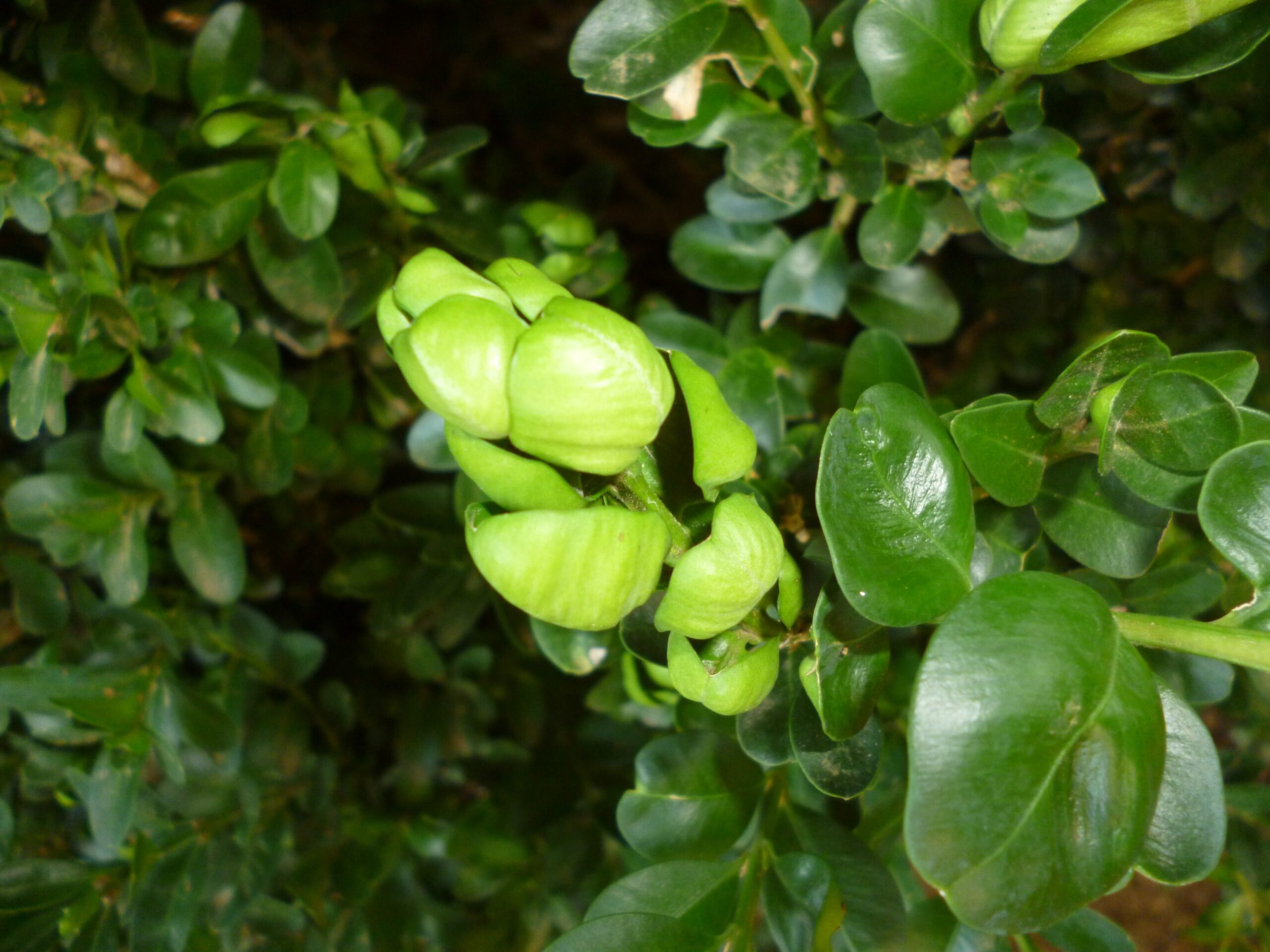
Boxwood Psyllid
Boxwood Psyllid (Spanioneura buxi) GDD Window (base 50): 290-440 Overview: Overwinter as orange, spindle-shaped eggs Nymphs emerge and begin feeding as buds expand Nymphs feed on young foliage by piercing … Read More
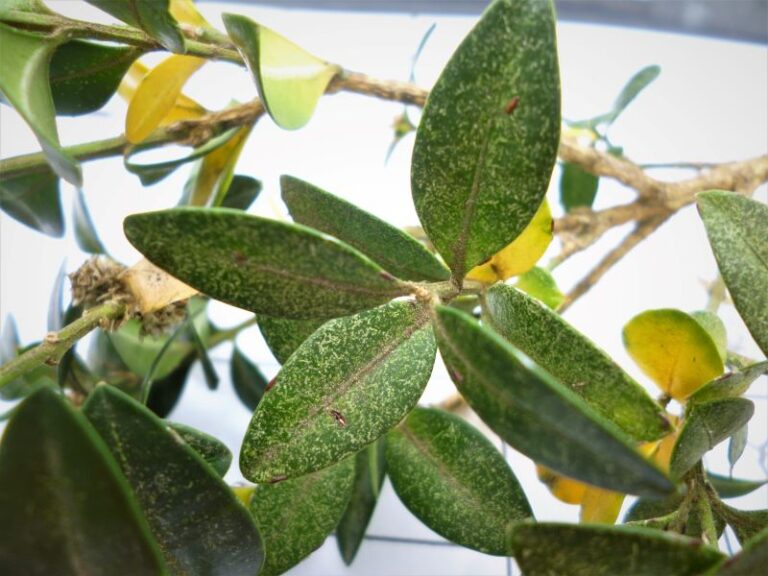
Boxwood Mites
Boxwood Mites (Eurytetranychus buxi) GDD Window (base 50): 450-700 Overview: Overwinter as light-yellow eggs on leaves and twigs Neither a true cool nor warm season mite – most active during … Read More

Hemlock Woolly Adelgid
Hemlock woolly adelgid (Adelges tsugae) GDD Window (base 50): 10% of eggs – 150, 50% – 350, 100% – 1000; 1001-2200 (nymphs) Overview: Overwinter as wingless adults Lay brownish orange … Read More

Redheaded Pine Sawfly
Redheaded Pine Sawfly (Neodiprion lecontei) GDD Window (base 50): 246-1388 (1st generation) Overview: Overwinter as prepupae in small (½ inch), brown cocoons in the soil Adults resemble flies or bees, ½” … Read More
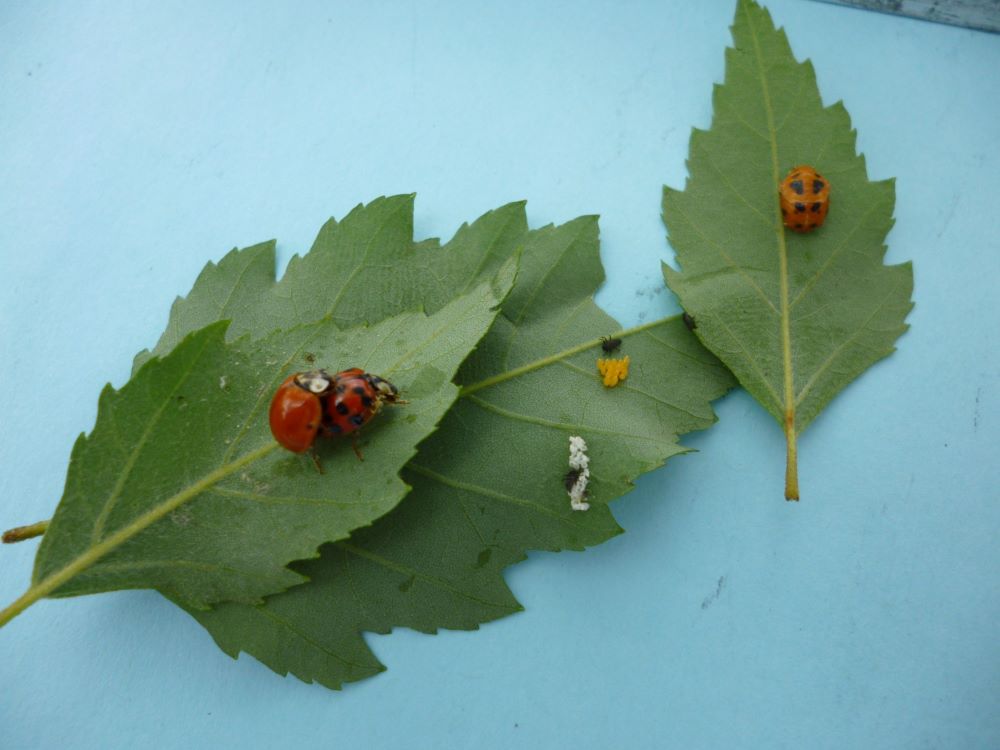
Lady Bird Beetle
Lady Bird Beetle (Coccinellidae) Overview: Lady bird beetles (Coccinellidae), also known as ladybugs, are beneficial insects that can can alleviate pest problems Often considered the first line of defense against … Read More
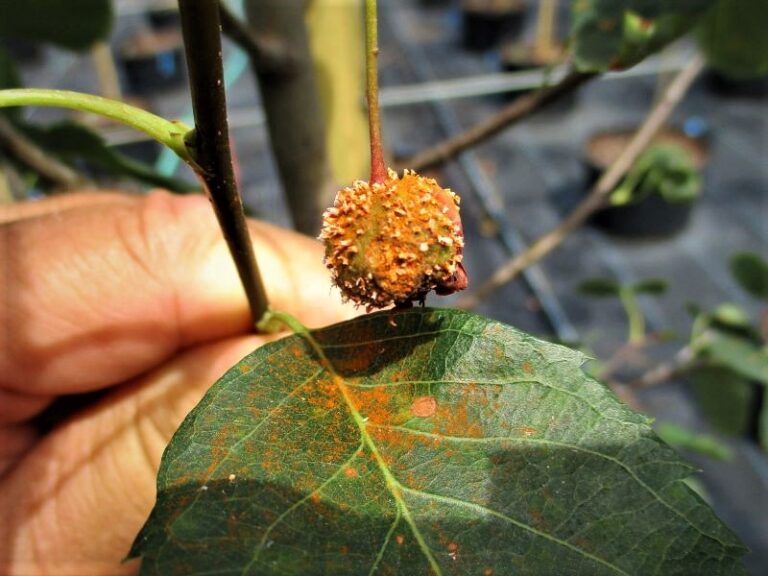
Gymnosporangium spp.
Rust Diseases (Gymnosporangium spp.) Overview: Cedar-Apple Rust: G. juniperi-virginianae Cedar-Hawthorn Rust: G. globosum Cedar-Quince Rust: G. Clavipes Found on Juniperus host – late fall through early spring Found on Rosaceous hosts – early spring through late fall Produce two … Read More

Red-Headed Flea Beetle
Red-headed flea beetle (Systena frontalis) GDD Window (base 50): 242-600 (egg hatch) & 517-1028 (adults) Overview: Overwinter as tiny, pale yellow, oval-shaped eggs Grubs hatch during the second half of … Read More

Spongy Moth
Spongy Moth (Lymantria dispar) GDD Window (base 50): 90-448 Overview: Overwinter as egg masses covered in yellowish fur, 1.5 inches long and ¾ inches wide on trees, stones, walls, furniture, … Read More
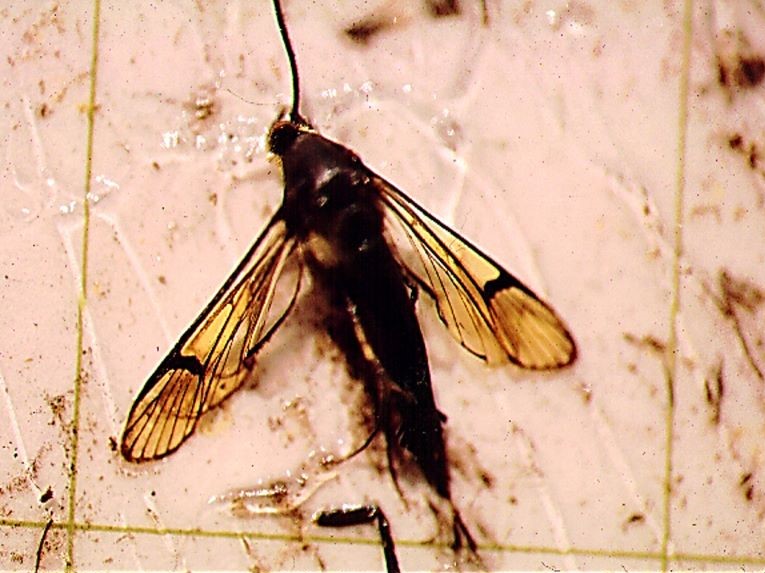
Clearwing Borers
Clearwing Borers Lilac Clear Wing Borer: GDD Window (base 50): 148-299 Dogwood Clear Wing Borer: GDD Window (base 50): 148-700 Overview: Lilac clear wing borer (Podosesia syringae) >1 inch long, drab black … Read More
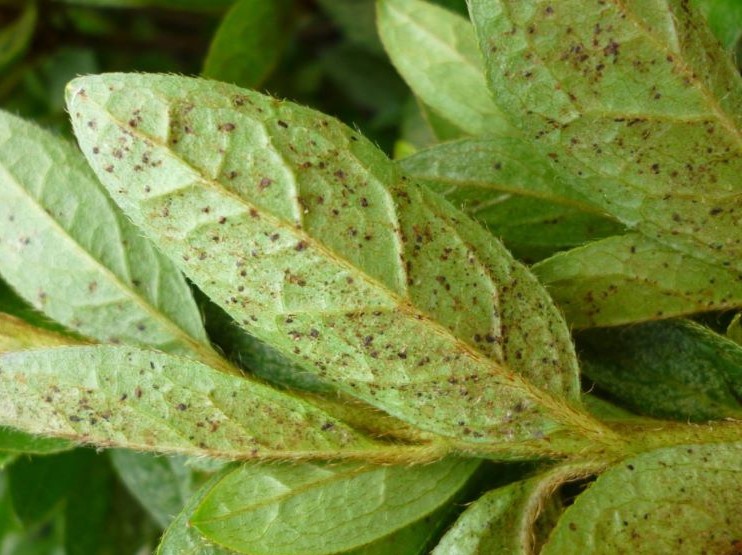
Evergreen Lace Bugs
Evergreen Lace Bugs (Stephanitis spp.) Azalea Lace Bug: GDD Window (base 50): 118 (egg hatch), 118-372 (1st gen nymphs) Andromeda Lace Bug: GDD Window (base 50): 115 (egg hatch), 115-279 … Read More

Eastern Tent Caterpillar
Eastern Tent Caterpillar (Malacosoma americanum) GDD Window (base 50): 90-190 Overview: Overwinter as eggs, black masses that wrap around small twigs of host plants and hatch in the early spring, … Read More

Holly Leafminer
Holly Leafminer (Phytomyza ilicicola) GDD Window (base 50): 147-265 Overview: Overwinter as yellow larvae, 1.5 mm long Eggs hatch into tiny maggots within the leaf mine, causing the most damage … Read More

Ambrosia Beetle
Ambrosia Beetle (Xylosandrus) GDD Window (base 50): 75-815 Overview: New Jersey notable species: Black stem borer (Xylosandrus germanus),granulate (Asian) borer (Xyleborus crassiusculus) Small, reddish brown to black, cylindrical beetles from 1/8 – … Read More
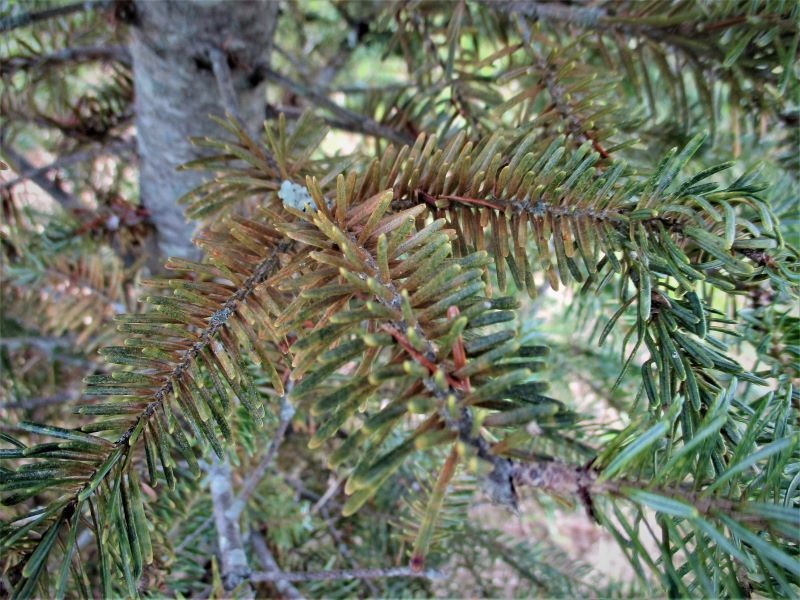
Spruce Spider Mite
Spruce Spider Mite (Oligonychus ununguis) GDD Window (base 50): 7-121 Overview: Eggs are brown, round, flattened and have a thread sticking up fromtheir center Growth from larvae to adult happens … Read More
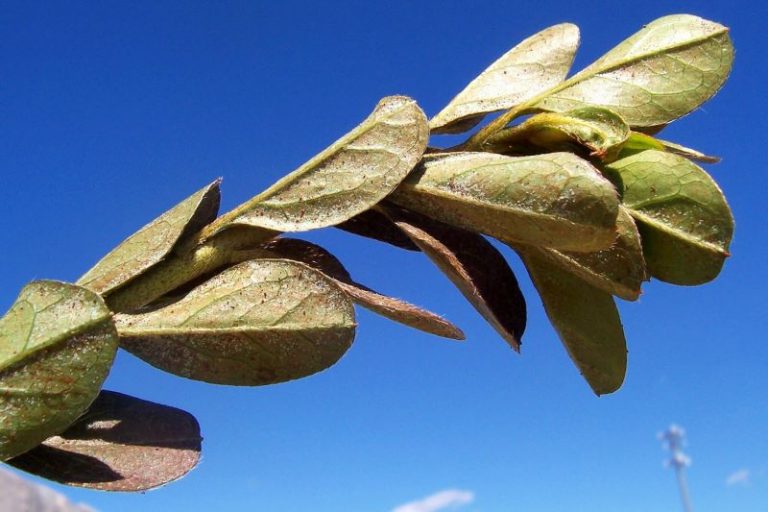
Southern Red Mite
Southern Red Mite (Oligonychus ilicis) GDD Window (base 50): 7-91 Overview: Overwinters as red eggs on host plant leaf undersides Eggs hatch into pale, six-legged larvae Two nymph stages, protonymph and deutonymph, each … Read More
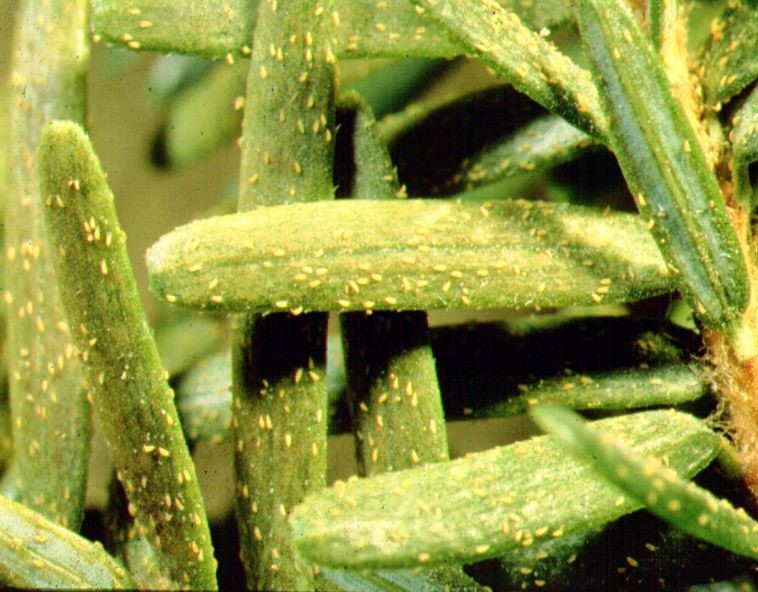
Hemlock Rust Mite
Hemlock Rust Mite (Nalepella tsugifoliae) GDD Window (base 50): 7-450 (7-22: active mites emerge) Overview: Tiny, wormlike insects that require magnification to be seen In the spring, scout using a … Read More
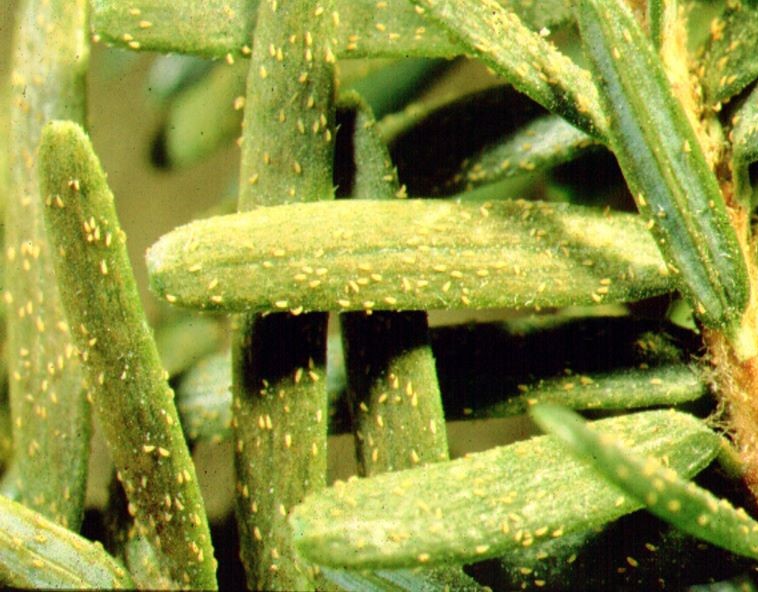
Cool Season Mites
Cool Season Mites (Eriophyidae) GDD Window (base 50): 7-363, depending on species Overview: Tiny, often “carrot-shaped,” translucent white Can only be seen with magnification (1/100″ in length) Usually two pairs … Read More
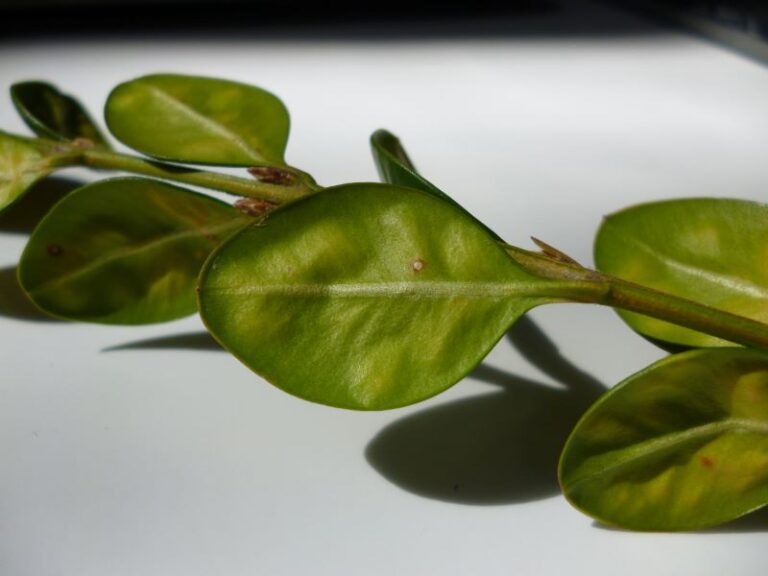
Boxwood Leafminer
Boxwood Leafminer (Monarthropalpus flavus) GDD Window (base 50): 290+ (adult emergence), 448-700 (larvae emergence) Overview: Overwinters in the leaves as larvae Larvae are bright yellow or orange and become active … Read More
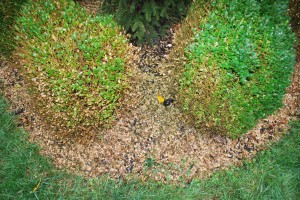
Boxwood Blight
Boxwood Blight (Calonectria pseudonaviculata) Overview: Fungal infection – caused by Calonectria pseudonaviculata Characterized by leaf spots, rapid defoliation, and stem lesions Leaves turn brown or yellow, with darker boarders Stem … Read More