
Potato Leafhopper (Empoasca fabae)
GDD Window (base 50): 784 (emergence)
Overview:
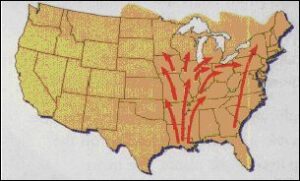
- Does not overwinter in NJ, but is carried-in by upper atmospheric winds from the gulf coast states
- Feeding damage can mimic herbicide injury
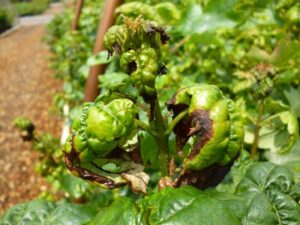
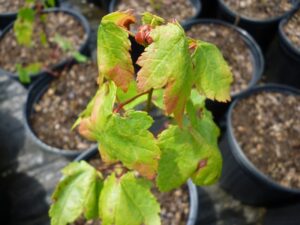
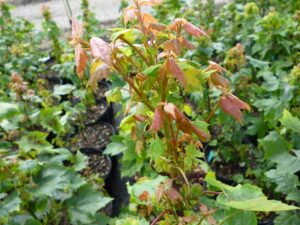
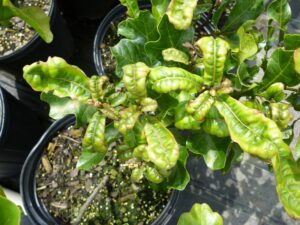
- Distortion and discoloration of foliage
- Move with a sideways motion characteristic of the species
- Have piercing-sucking mouthparts and release a toxin while feeding that restricts movement within vascular tissues
- Causes disorganization of vascular bundles and produces an enlargement and proliferation of cells
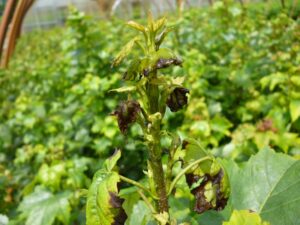
- Causes “witches brooms” on terminal stems
- Transmission of leafhopper saliva (and potentially bacteria, phytoplasmas, viruses) into the vascular tissue can trigger a wound response by the plant, causing scorch-like symptoms
- 4-5 generations per year
- 5 nymphal instar stages per generation
- Eggs are laid in midrib of upper foliage on host plants during each generation
- Eggs do not survive winter temperatures
- Causes “hopperburn“
- Can range from light bronze discoloration to dark brown, almost black
- Symptoms mimic drought stress and will become more pronounced if drought is present
- Browning and necrosis along leaf margins
- Leaf curling, stunting, and V-shaped wedge discolorations (initially brown or yellow)
- Host plants: Maple, oak, birch, ash, and others
Management:
Cultural Practices:
- Natural predators: lady beetles, lacewings, minute pirate bugs
- Create wildflower strips or hedgerows to support beneficial insect populations
- Inspect undersides of leaves for adults or nymphs after symptoms become apparent at branch terminals
- Use resistant plant varieties
- Use row covers to protect young plants
- Reduce plant stress
- Ensure proper moisture and irrigation
Materials:
- Contact insecticides:
- Pyrethroids [3A]: –thrins
- Systemic insecticides:
- Neonicotinoids [4A]: imidacloprid, dinotefuran
- Organophosphates [1B]: acephate (translaminar)
- Considerations:
- Will harm non-target species
Biorationals:
- Horticultural oil
- Neem oil
- Insecticidal soap
- IGRs:
- Pyriproxyfen [7A]
- Buprofezin [16]
- Azadirachtin [UN]
Resources:
Been “Burned” By Leafhoppers? – Plant & Pest Advisory
Disclaimer – Materials do not cover all possible control scenarios and are intended for licensed professionals. Tradenames do not imply endorsement and are used as examples. You must strictly follow the label for each compound prior to use. Rutgers is not responsible form is used materials or damages thereof. The label is the law. Labels will provide detailed information on use and restrictions. Additionally, application intervals, compatibility, surfactant use, PHI, PPE, important and other key information is described in detail. Always discuss treatments with your local agents. Note: Neonicotinoids can only be legally applied in commercial agriculture settings by licensed applicators. Guidelines and recommendations made in this presentation are specific to the state of New Jersey.