Homepage

About the RISC Lab

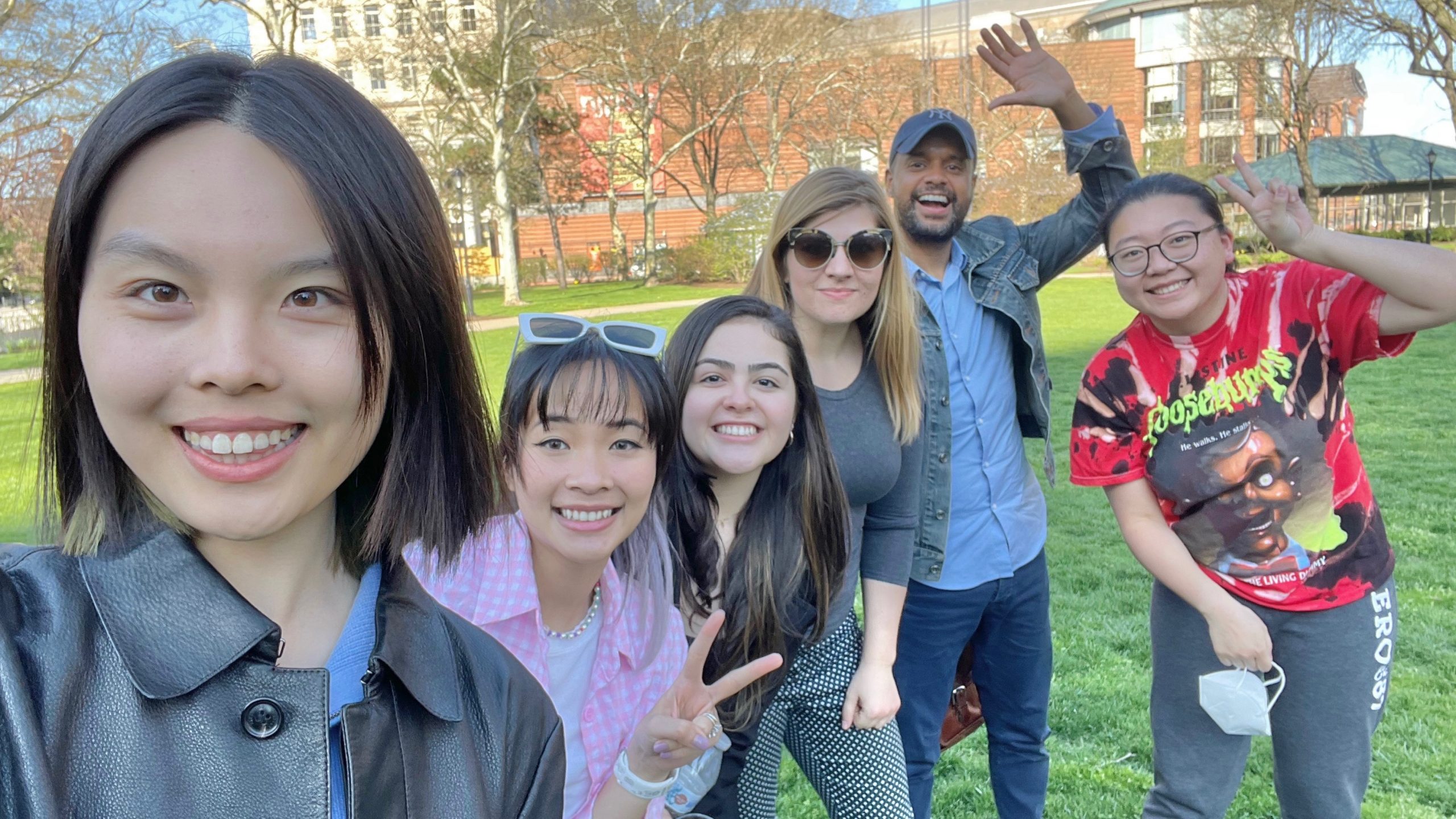
Rutgers Implicit SocialCognition (RISC) Lab  (Dr. Luis M.Rivera): The RISC Lab investigates implicit biases, beliefs, and attitudes and how they affect (a) the self and identity (e.g., ethnicity, race, sexual, gender, criminals) of individuals from stigmatized and disadvantaged groups, and (b) inequities in health and STEM. Studies examine how biases operate in different social contexts. Our general research questions of interest are: What social contexts motivate groups and individuals to express stereotyping, prejudice, and discrimination and to develop and maintain their group identities? How do contexts and individuals contribute to the presence and persistence of inequities in health, STEM, and the criminal justice system?

Research assistants will be involved in multiple aspects of collaborative research, such as participant recruitment, data collection, data coding and analyses, and manuscript preparation.  In addition, research assistants will have opportunities to develop practical skills such as critical thinking and oral and written presentations, as well as develop mentor-mentee relationships with RISC Lab members.

 

The RISC Lab is Considering a New Graduate Student for Fall 2026

Dr. Rivera and the RISC Lab are reviewing new Graduate Student Applications for Fall 2026. It is not required, but all applicants are encouraged to contact Dr. Rivera (luis@psychology.rutgers.edu) regarding their research interest. To read more about the Department of Psychology, CLICK HERE. To apply to the Graduate School CLICK HERE.


Rivera Receives NSF Award to Study Implicit Racial Identities in Puerto Rico

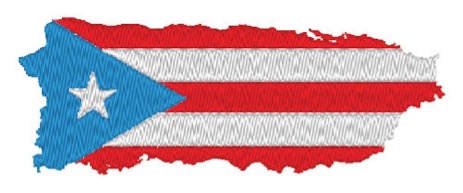
The history of colonialism impacts society members’ education, health, and prosperity today. One legacy of colonialism is that racial groups and identities signal and reinforce status and advantage differences. Moreover, among individuals from low-status and disadvantaged groups, racial identities are often linked to support for public policies. This NSF project tests the relations between the history of colonialism and present-day racial identities, providing insights into how identities impact quality of life. The project, in collaboration with the University of Puerto Rico-Rio Piedras, is being conducted in Puerto Rico, a U.S. territory widely considered to be one of the oldest colonies.

Chenqi Gao Presented at the Society for Personality and Social Psychology 2025 Annual Convention

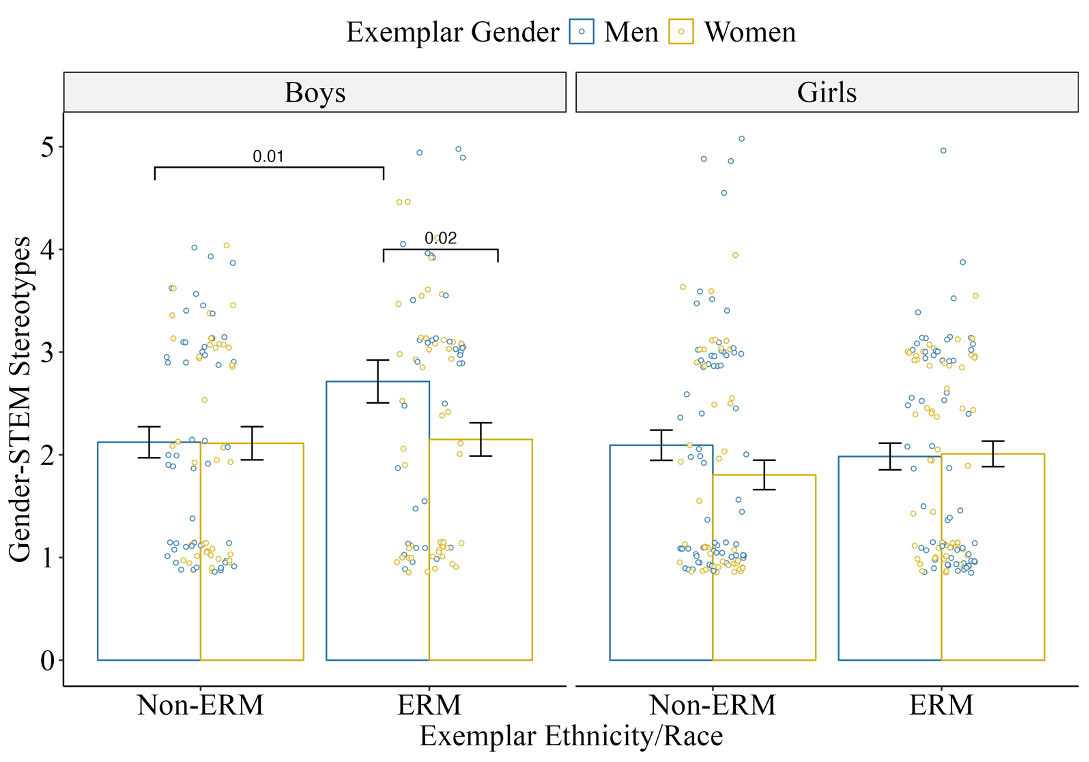
Chenqi Gao presented her work “Impact of Intersectionality in Math Exemplars on Children’s Math Stereotypes” at SPSP 2025. This research explored the intersectional effects of exposure to ethnic-racial minority women and men math professionals on the gender math stereotypes expressed by middle-school girls and boys across two U.S. school districts with predominantly Black and Latinx students. This research underscores the importance of diversity in math professions and a deeper understanding of intersectionality in addressing gender math stereotypes.

Hiba Suhail Presents at the SPSSI Annual Conference

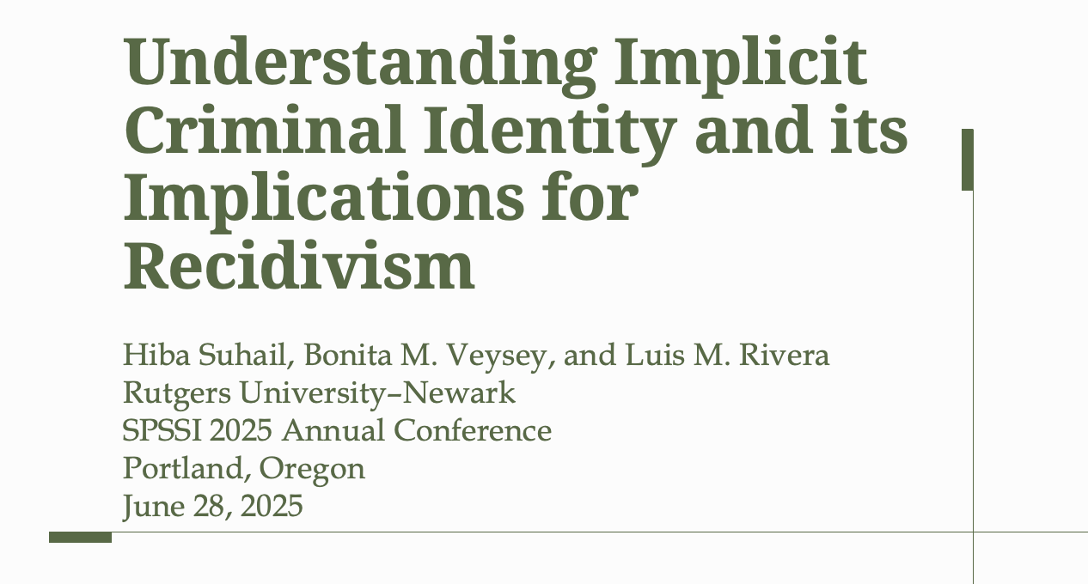
Hiba Suhail presented her work on “Understanding Implicit Criminal Identity and its Implications for Recidivism” at the SPSSI 2025 Conference in Portland, Oregon. This research explored how implicit criminal identity predicted engagement in criminal behavior, above and beyond explicit criminal identity and criminality-related demographics (e.g., age, gender, race/ethnicity). This research highlights the need to examine implicit criminal cognition and how it may impact rehabilitation programs.