Fall 2025 FAME Student Science Stories

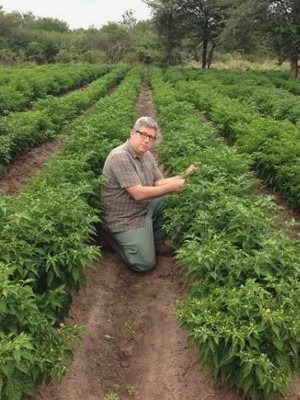
Duckweed – Dr. Eric Lam, Distinguished Professor

Eric Lam is currently a Distinguished Professor in the Department of Plant Biology at Rutgers University, NJ. He had served as the Director for the Biotechnology Center for Agriculture and the Environment at Rutgers from 2008 to 2010. He also serves on the advisory board for the Rutgers Energy Institute. He is a graduate of UC Berkeley and completed his postdoctoral research at the Rockefeller University on Plant Molecular Biology. His research interests include the study of mechanisms that control programmed cell death and stress tolerance in plants, the regulation of global gene expression via chromatin organization, and more recently, the establishment and promotion of an aquatic agriculture platform with duckweed for sustainable biomass production. Currently, he is leading a team of U.S. researchers that completed a high-fidelity reference genome for the Greater Duckweed Spirodela ployrhiza using NGS and Genome Feature Mapping technologies. His approach emphasizes the use of evolutionary relationships and genomics to identify candidate genes and enzymes for critical metabolic switches in cell wall metabolism and other traits important for the fast growth and metabolic traits of duckweeds. Dr. Lam is author on over 150 publications in journals including Science and Nature and has been awarded 5 patents relating to biotechnology methods. He is the recipient of the Alexander von Humboldt award in Molecular Biology (2007) and a Fulbright-Brazil Science Fellow (2014-15).

Read more about his research here:

Programmed cell death, mitochondria and the plant hypersensitive response

Nitric oxide and salicylic acid signaling in plant defense

Controlled cell death, plant survival and development

NPR1 differentially interacts with members of the TGA/OBF family of transcription factors that bind an element of the PR-1 gene required for induction by salicylic acid

Morphological classification of plant cell deaths

Caspases and programmed cell death in the hypersensitive response of plants to pathogens

Two tobacco DNA-binding proteins with homology to the nuclear factor CREB

Plant biochemistry

Site-specific mutations alter in vitro factor binding and change promoter expression pattern in transgenic plants.

Phytotoxicity and innate immune responses induced by Nep1-like proteins

ASF-2: a factor that binds to the cauliflower mosaic virus 35S promoter and a conserved GATA motif in Cab promoters

Summer 2025 FAME Student Science Stories

Amaranth – Tori Rosen, PhD Candidate

Tori Rosen is a PhD student in the department of Plant Biology focusing on crop introduction and improvement of bioculturally-preferred leafy greens, amaranth and roselle. She is interested in increasing the accessibility and quality of key vegetables in under-represented migrant diets, focusing on consumer preferences, agronomic traits, and nutrient-density. Her research considers food market trends, climate-resilient agriculture, and micronutrient-deficiencies within migrant populations. Ultimately, she hopes to improve the diversity and quality of specialty produce within the United States.

Read more about her research here:

Amaranth greens as a model for nutrient-dense, culturally preferred produce in an urban setting

Amaranth as a Climate-Resilient, Nutrient-Dense, Culturally-Preferred Crop to be Integrated in New Jersey Agriculture

Rutgers Grows 100 Varieties of Amaranth


Spring 2025 FAME Student Science Stories

Introduction to Phytoplankton – Nicole Waite, Lab Research Technician

Nicole is a Lab Research Technician at the Rutgers Center of Ocean Observing Leadership (COOL). Her research focuses on phytoplankton ecology along the Western Antarctic Peninsula, one of the most rapidly warming places on Earth. She also works for COOL to help deploy gliders (autonomous underwater vehicles) for oceanographic research purposes. Read more about her research here:

Phytoplankton and Bio-optics

Biases in phytoplankton size class models in the Antarctic Peninsula: How well do we know our diatoms?

Molecular physiology of Antarctic diatom natural assemblages reveals multiple strategies contributing to their ecological success

Testing the Canyon Hypothesis: Evaluating light and nutrient controls of phytoplankton growth in penguin foraging hotspots along the West Antarctic Peninsula

Changes in the upper ocean mixed layer and phytoplankton productivity along the West Antarctic Peninsula

Decadal variability in coastal phytoplankton community composition in a changing West Antarctic Peninsula


Phytoplankton’s Hidden Contribution – Rachel Davitt, PhD Student

Rachel is a PhD student studying Oceanography in the Rutgers Department of Marine and Coastal Sciences. She studies phytoplankton-virus interactions and is currently studying the biological impacts of Ocean Alkalinity Enhancement on diatoms. Read more about RU COOL’s phytoplankton research here:

Seasonal time bombs: dominant temperate viruses affect Southern Ocean microbial dynamics

Phytoplankton productivity in a turbid buoyant coastal plume

Multiscale control of bacterial production by phytoplankton dynamics and sea ice along the western Antarctic Peninsula: A regional and decadal investigation


Coastal Coral – Kayla Cayemitte, PhD Student

Kayla is a PhD student studying oceanography in the Rutgers Department of Marine and Coastal Sciences. She studies various environmental impacts on marine calcifiers (focus on corals) under the advisement of Dr. Fiorella Prada. Dr. Fiorella focuses on how marine calcifying organisms, like corals and mollusks, build their biomineralized structures and how this process is influenced by shifting ocean conditions. They study these processes by integrating material science, molecular, and physiological approaches to identify mechanisms underlying coral resilience and persistence in extreme environments (e.g., CO2 vents, deep-sea, upwelling systems). Read more about their research here:

Increasing acidification does not affect sexual reproduction of a solitary zooxanthellate coral transplanted at a carbon dioxide vent

Ocean warming and acidification detrimentally affect coral tissue regeneration at a Mediterranean CO2 vent

Corrigendum to “Peculiar polycyclic aromatic hydrocarbons accumulation patterns in a non-zooxanthellate scleractinian coral” [Mar. Pollut. Bull. 184 (2022) 114109

Acclimatization of a coral-dinoflagellate mutualism at a CO2 vent

Peculiar polycyclic aromatic hydrocarbons accumulation patterns in a non-zooxanthellate scleractinian coral

Metagenomic shifts in mucus, tissue and skeleton of the coral Balanophyllia europaea living along a natural CO2 gradient

Skeletal properties of the coral Desmophyllum dianthus are related to the aragonite saturation state along a depth gradient in the Mediterranean Sea

Coral micro- and macro-morphological skeletal properties in response to life-long acclimatization at CO2 vents in Papua New Guinea

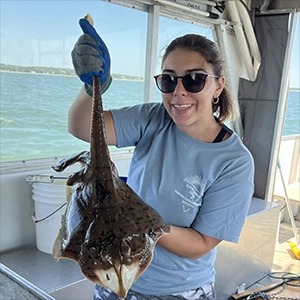
Fish Monitoring – Samantha Alaimo, PhD Student

Kayla is a PhD student studying oceanography in the Rutgers Department of Marine and Coastal Sciences. She studies how the physical features of the ocean affect commercially important fish populations. The fishing industry not only provides food to the world, but also contributes a lot to the economy. How will changes in the oceans affect them? More specifically, She is interested in how offshore wind development off the coast of NJ is going to affect fish populations. As an avid fisher, she is interested in how offshore wind is going to affect the fisheries.

Read more about Sam and her research here:

Rutgers Marine Sciences – Sam Alaimo

Rutgers Academic Affairs – Sam Alaimo


Spring 2024 FAME Student Science Stories

Plant Natural Products – Dr. Qing Li Wu, Associate Research Professor

Dr. Wu’s area of expertise is in plant-based medicines and nutraceuticals, with specialization in natural products chemistry including bioactive compound isolation, structure determination (MS and NMR), analytical method development and validation (HPLC & LC/MS), bio-directed fractionation, standardization and quality control of botanicals, plant genetic resources and plant taxonomy. With specialization in polyphenols chemistry and bioanalysis for bioavailability studies, his research focuses on the application and chemistry of natural compounds to human nutrition and health, with a particular interest in public health and in the treatment/prevention of age-related diseases. Read more about his research here:

AMP-activated protein kinase signaling activation by resveratrol modulates amyloid-β peptide metabolism

Determination of flavonoids by LC/MS and anti-inflammatory activity in Moringa oleifera

Recent advances in anthocyanin analysis and characterization

Bioavailability of gallic acid and catechins from grape seed polyphenol extract is improved by repeated dosing in rats: implications for treatment in Alzheimer’s disease

Phytochemistry, antioxidant capacity, total phenolic content and anti-inflammatory activity of Hibiscus sabdariffa leaves

Identification of brain-targeted bioactive dietary quercetin-3-O-glucuronide as a novel intervention for Alzheimer’s disease

Neuroprotective effects of anthocyanin-and proanthocyanidin-rich extracts in cellular models of Parkinson׳ s disease

Determination of isoflavones in red clover and related species by high-performance liquid chromatography combined with ultraviolet and mass spectrometric detection

Plant Natural Products – Dr. James E. Simon, Distinguished Professor

Dr. Simon’s area of expertise is in the development of new uses of traditional crops, new crop development, aromatic and medicinal plant domestication, with a specialization in natural products such as those containing extractable chemicals in interest for flavor, aroma, and medicinal activity. Simon published over 100 scientific papers, books, and reviews in the areas of new crops, aromatic and medicinal plants and nutraceuticals. Dr. Simon leads the Rutgers University program on New Use Agriculture and Natural Plant Products Program, and works cooperatively with research groups around the world and in New Jersey seeking to develop standardized botanical products for health and nutrition. Research projects focus on culinary herbs (selection and breeding), Asian and African botanicals and medicinal plants, the nutraceutical components in fruits and vegetables and quality control for herbs and botanical products. Simon’s research is supported by NIH, USDA, USAID, and BARD as well as other public and private funding.

Read more about his research here:

AMP-activated protein kinase signaling activation by resveratrol modulates amyloid-β peptide metabolism

Analysis of Antioxidative Phenolic Compounds in Artichoke (Cynara scolymus L.)

An investigation of the storage and biosynthesis of phenylpropenes in sweet basil

Herbs, an indexed bibliography, 1971-1980.

Basil: A source of aroma compounds and a popular culinary and ornamental herb

Basil: a source of essential oils

WHO guidelines on good agricultural and collection practices [GACP] for medicinal plants

Comparison of extraction methods for the rapid determination of essential oil content and composition of basil

Genetic diversity of Ocimum gratissimum L. based on volatile oil constituents, flavonoids and RAPD markers

Determination of flavonoids by LC/MS and anti-inflammatory activity in Moringa oleifera

Recent advances in anthocyanin analysis and characterization

Bioavailability of gallic acid and catechins from grape seed polyphenol extract is improved by repeated dosing in rats: implications for treatment in Alzheimer’s disease

Phytochemistry, antioxidant capacity, total phenolic content and anti-inflammatory activity of Hibiscus sabdariffa leaves

Effects of osmotic stress on the essential oil content and composition of peppermint

Chemical Characterization of basil (Ocimum Spp.) found in the markets and used in traditional medicine in Brazil

Water stress-induced alterations in essential oil content and composition of sweet basil

Plant Natural Products – Dr. Rodolfo Juliani, Lecturer, Associate Director, New Use Agriculture and Natural Plant Products Program

The research of Dr. Juliani supports the science-based component of our national, international development programs, NUANPP, PFIDNP and ASNAPP. His research identifies new applications and uses of both traditional and exotic products, to ultimately assist growers/ collectors, rural communities and the private sector to increase interest in their products. Research interests include chemical diversity of essential oils, biological activity of aromatic and medicinal plant components/ extracts, biotechnology of native aromatic plants, regulation of essential oil accumulation in aromatic plants, analytical techniques and extraction methods for essential oils, quality assurance and quality control of natural plant products, and international development through sustainable production of natural products.

Read more about his research here:

Essential oils in combination and their antimicrobial properties

Antioxidant activity of basil

Bioactivity of essential oils and their components

In vitro regeneration of Echinacea purpurea from leaf explants

Chemistry and Quality of Hibiscus (Hibiscus sabdariffa) for Developing the Natural‐Product Industry in Senegal

Antioxidant and antimicrobial activities of citrus essential oils from Argentina and the United States

Quality preservation of organic cottage cheese using oregano essential oils

LC-MS method for the simultaneous quantitation of the anti-inflammatory constituents in oregano (Origanum species)

Amino acid-dependent formation pathways of 2-acetylfuran and 2, 5-dimethyl-4-hydroxy-3 [2H]-furanone in the Maillard reaction

Quality characters, chemical composition and biological activities of oregano (Origanum spp.) Essential oils from Central and Southern Argentina

Micropropagation of Lippia junelliana (Mold.) Tronc.

Essential oil composition of purple basils, their reverted green varieties (Ocimum basilicum) and their associated biological activity

Application of near‐infrared spectroscopy in quality control and determination of adulteration of African essential oils

CRISPR Technology – Dr. Rong Di, Assistant Professor

Dr. Di uses C. elegans model systems to study the anti-diabetic, anti-obesity and anti-Alzheimer’s (AZ) effects of plant extracts from health food and medicinal plants. Mutant worms with defects in insulin signaling pathway and survival and transgenic worms expressing AZ biomarkers are used to screen plant extracts for their lifespan-extending effects in these worms. RNAi (RNA interference) library of C. elegans is employed to further delineate the underlying molecular mechanisms of plant extracts’ anti-diabetic, anti-obesity and anti-AZ characteristics. Di uses mammalian cells and mice to study the anti-inflammatory, anti-carcinogenic and anti-UV effects of botanical extracts. C. elegans is also used to study the mechanisms of toxicity of fungal toxins such as deoxynivalenol (DON) produced by Fusarium spp. that cause wheat and barley Fusarium head blight (FHB) through the RNAseq and CRISPR/Cas9 (clustered regularly interspaced short palindromic repeats-associated endonuclease) technologies. Gut microbiome platforms are being developed to assess the health promoting properties of several natural products including polymethoxyflavones isolated from orange peels, mogrosides and Chinese tea. Additionally, her lab uses genetic engineering tools including CRISPR-gene editing to produce disease resistant and nutrition enhanced plants.

Read more about her research here:

The use of plant antimicrobial compounds for food preservation

Production of transgenic soybean lines expressing the bean pod mottle virus coat protein precursor gene

Recent advances in soybean transformation

Pectic oligosaccharide structure-function relationships: Prebiotics, inhibitors of Escherichia coli O157: H7 adhesion and reduction of Shiga toxin cytotoxicity in HT29 cells

Anti-inflammatory activities of mogrosides from Momordica grosvenori in murine macrophages and a murine ear edema model

Enhancement of the primary flavor compound methional in potato by increasing the level of soluble methionine

Biodegradable ferulic acid-containing poly (anhydride-ester): degradation products with controlled release and sustained antioxidant activity

Acetylcholineestarase-Inhibiting Alkaloids from Lycoris radiata Delay Paralysis of Amyloid Beta-Expressing Transgenic C. elegans CL4176

Important poisonous plants in Tibetan ethnomedicine

Cranberry Xyloglucan Structure and Inhibition of Escherichia coli Adhesion to Epithelial Cells

Pokeweed antiviral protein and its applications

Expression of a truncated form of yeast ribosomal protein L3 in transgenic wheat improves resistance to Fusarium head blight