Lab Members
Principal Investigator
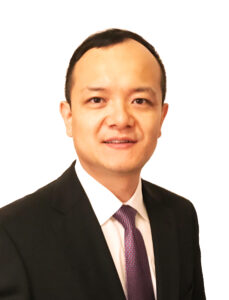
Ruifeng Ray Cao, M.D., Ph.D.
Associate Professor
Department of Neuroscience and Cell Biology
Phone: (732) 235 4071
Email: ruifeng.cao@rutgers.edu
Office: Research Tower, Room 346
Lab: Research Tower, Room 308, 675 Hoes Lane, Piscataway, NJ 08854
Dr. Ruifeng Ray Cao received his M.D. in Clinical Medicine, with a specialization in Neurosurgery, from the Fourth Military Medical University in Xi’an, China, and his Ph.D. in Molecular and Cellular Neuroscience from The Ohio State University. His research focuses on the molecular and cellular mechanisms of circadian rhythms and their roles in brain function, neurodevelopment, and metabolism.
During his doctoral training, Dr. Cao discovered that mTOR signaling within the suprachiasmatic nucleus (SCN), the master circadian clock of the brain, is regulated by both nocturnal light exposure and circadian timing (Cao et al., 2010, Journal of Neuroscience). As a postdoctoral fellow at the Howard Hughes Medical Institute and McGill University, he identified key translational control mechanisms governing circadian clock function. His work demonstrated that the mTORC1 and ERK/MAPK signaling pathways converge on the mRNA cap-binding protein eIF4E to regulate photic entrainment, neuronal synchrony, and photoperiodic plasticity in the SCN through mRNA translational control mechanisms (Cao et al., 2013, Neuron; Cao et al., 2015, Nature Neuroscience).
As an Assistant Professor and later Associate Professor at the University of Minnesota Medical School (2016–2023), Dr. Cao’s laboratory made several important contributions to the field of circadian biology. His group identified the eIF2α-centered Integrated Stress Response (ISR) as a critical regulator of SCN and cellular circadian clock function and established mTOR signaling as a fundamental regulator of both central and peripheral circadian oscillators (Liu et al., 2018, PNAS; Ramanathan et al., 2018, PLoS Genetics; Pathak et al., 2019, Neuron).
More recently, Dr. Cao’s laboratory developed and characterized both genetic and environmental models linking circadian dysfunction to neurodevelopmental disorders. His team demonstrated that Bmal1 mutant mice and offspring exposed to gestational circadian disruption exhibit behavioral and molecular phenotypes relevant to autism spectrum disorders, providing critical insights into the role of circadian regulation in brain development (Liu et al., 2023, Molecular Psychiatry; Mishra et al., 2024, Communications Biology). Through collaborative studies, Dr. Cao has also investigated how gestational circadian disruption influences offspring susceptibility to metabolic diseases, including diabetes, further highlighting the broad physiological impact of circadian timing mechanisms (Her et al., 2024, Metabolites).
Dr. Cao is currently a tenured Associate Professor of Neuroscience and Chronobiology at Rutgers University. His research program seeks to uncover fundamental mechanisms through which circadian rhythms regulate brain development, neural circuit function, metabolism, and disease, with the long-term goal of identifying novel therapeutic targets for neurodevelopmental and metabolic disorders.
Lab Manager
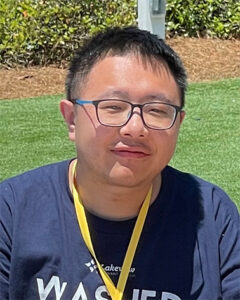
Hao Lin, Ph.D.
hao.lin2022@rutgers.edu
I obtained my Ph.D. from China Agricultural University in Beijing, China. My research is focused on to unraveling the basic mechanism of mTOR signaling pathway in regulating the circadian rhythm in mammals and related neuropsychiatric disorders. I also oversee the day-to-day operations of the laboratory, ensuring compliance with safety regulations, managing inventory and equipment maintenance, and supervising undergraduate researchers.
Visiting Scientist

Michael Oraebosi, Ph.D.
mo687@rwjms.rutgers.edu
I was fascinated by circadian rhythm research during my MSc in pharmacology and hence continued the same line of research for my Ph.D. in pharmacology, both at Ahmadu Bello University, Zaria, Nigeria. My research in chronopharmacology explores the use of biological clocks in drug delivery as a disease mitigation strategy.
Rotating Graduate Student

Erin A. English, M.S.
erin.english@rutgers.edu
I am a first year student in the Neuroscience PhD program. I have a B.S. in Psychology from West Texas A&M University and an M.S. in Neuroscience: Systems, Behavior, and Plasticity from Temple University. At Temple, I worked under Dr. Lisa Briand studying behavioral and synaptic plasticity in the context of adolescent social isolation stress, drug exposure, light phase, nitric oxide regulation via DDAH1, and AMPA receptor trafficking protein PKM ζ. As a rotation student, I am excited to study behavioral effects of circadian disruption and circadian regulation of signaling pathways. Outside of the lab, I enjoy cooking, birding, soccer, and playing with my cats Salt and Pepper.
Undergraduate Research Assistants
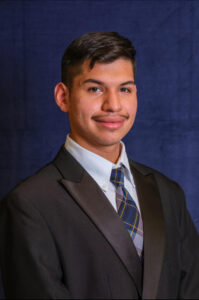
Angel Ulloa
angel.ulloa@rutgers.edu
I am a future biology major on the pre-med track at Rutgers University School of Arts and Sciences. In this lab, I’m excited to learn about the different processes and how the inner clock of organisms affects the way that organisms react to the world around them. Outside of this, I enjoy playing volleyball, working out, and listening to music.
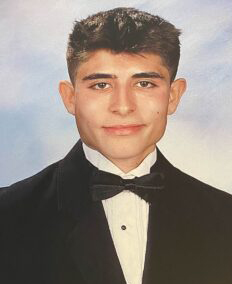 Austin Bomova
aab409@scarletmail.rutgers.edu
I am an undergraduate majoring in Cell Biology and Neuroscience and an aspiring physician. I am excited to study how mTOR hyperactivation in clock circuits reshapes synaptic function and how circadian disruption, altered mTOR signaling, and autism-relevant phenotypes are interconnected across development. Outside the lab I enjoy playing intramural basketball with my friends, going for walks, and learning more about the science of efficient learning.

Fiona Chau
fc467@scarletmail.rutgers.edu
I am an undergraduate student majoring in biology. I am interested in learning about the mechanisms underlying the circadian rhythm and how disruptions to circadian rhythms contribute to neuropsychiatric disorders. Outside of the lab, I enjoy going on long walks and reading.
 Rhezen Miralles Decastro
rm1918@rwjms.rutgers.edu
I am an undergraduate student and an aspiring Cell Biology and Neuroscience major. I am deeply fascinated by the biological clock and its intricate connection to consciousness. Outside of academics, I enjoy practicing calisthenics and expressing myself through creative writing.

Joel Camarena
jc3734@scarletmail.rutgers.edu
I am an undergraduate majoring in Cell Biology and Neuroscience. I am interested in understanding how circadian rhythms and molecular signaling pathways influence neural functions. In this lab, I am excited to gain hands-on experience and continue to grow and learn more. Outside of the lab, I enjoy practicing Brazilian jiu-jitsu and being an EMT.
 Zhichen Xu
zx257@scarletmail.rutgers.edu
I’m an undergraduate majoring in biology. In this lab, I’m interested in how the circadian clock works, and I’m excited to learn more about how the body clock is involved in health and disease. Outside of the lab, I enjoy going for walks, reading, and watching movies.