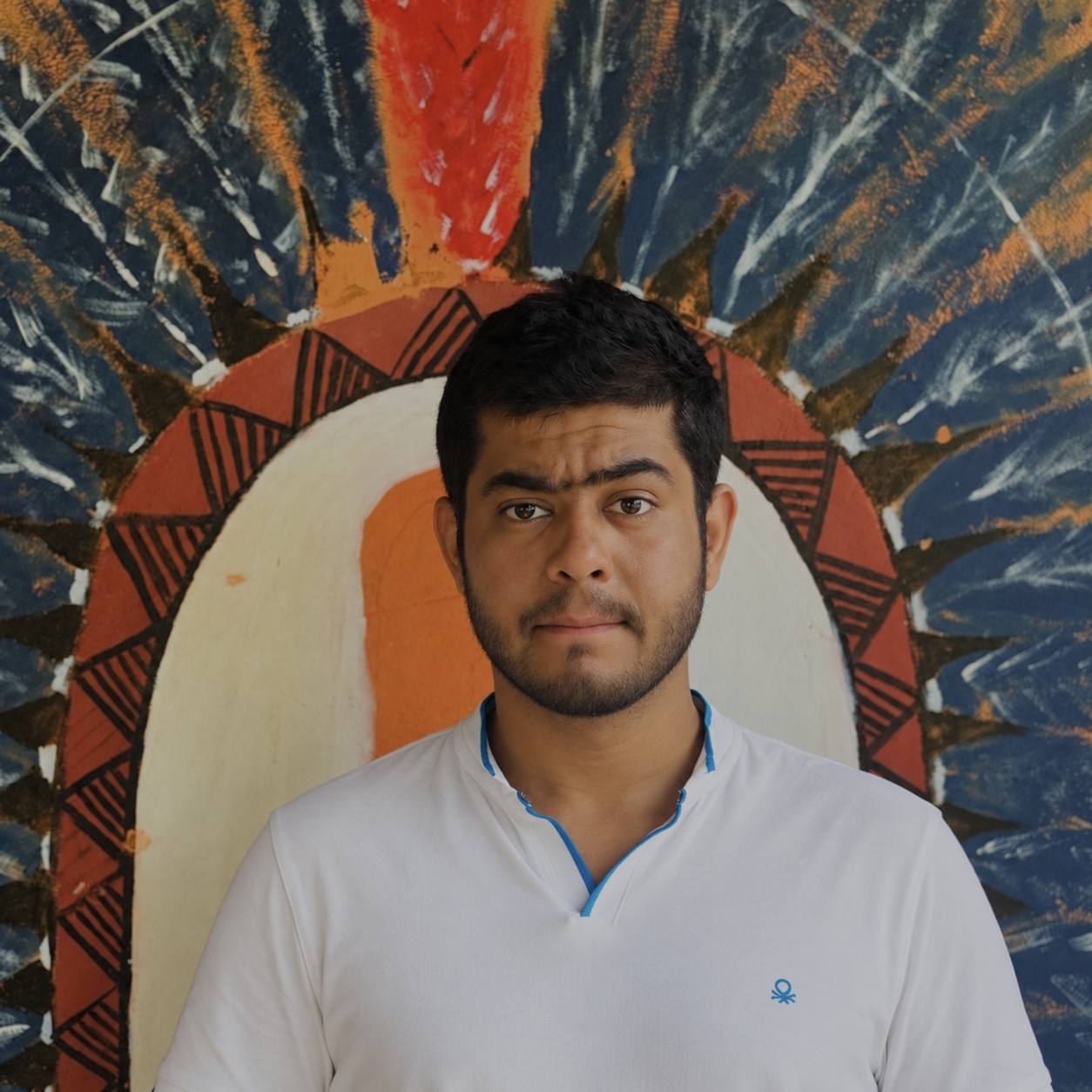
Varun Sardesai
Education:
Master of Public Administration (MPA), Columbia University, School of International and Public Affairs
Master of Arts (MA), Public Policy, St. Xavier’s College, Mumbai
Bachelor of Science (BSc), Economics (Honors), Symbiosis International University, Pune
Bio:
Varun Sardesai’s research interests lie at the intersection of territorial stigmatization, residential segregation, housing inequality, and urban marginality. He is particularly interested in how neighborhood stigma, spatial segregation, and the organization of the built environment shape patterns of social exclusion, access to housing, and uneven urban development.
His methodological approach draws on quantitative and computational techniques, including statistical modeling, geospatial analysis, and the integration of large-scale urban datasets to investigate socioeconomic disparities and the spatial distribution of inequality. His broader interests extend to smart cities, urban big data, and neurourbanism, particularly the relationship between urban form and people’s experiences of the built environment.
Before pursuing doctoral studies, Varun worked on urban planning and policy in India, collaborating with parliamentarians, government agencies, and municipal institutions on land use, housing, transportation planning, and urban infrastructure.
He received Columbia University’s Leous–Perry Award for Progressive Sustainability for his capstone research examining the social and economic impacts of water, sanitation, and hygiene services in the Brazilian Amazon.
Research Interests: Territorial Stigmatization, Residential Segregation, Housing Inequality, Urban Marginality, Social Exclusion, Smart Cities, Urban Big Data, Neurourbanism.
Research and Technical Skills:
Geospatial Analytics: Geographic Information Systems (GIS), spatial analysis, geocoding, spatial data integration
Quantitative Research: Statistical modeling, econometrics, segregation indices, inequality measurement