Undergraduate Research Assistants
Perspectives from current and former undergraduate research assistants in Rutgers Social Psychology labs:
Click on each question to read research assistant (RA) responses!
-
- “I took the social psychology course with Professor Shana Cole during the Spring 2022 semester and I realized that social psychology was my favorite branch of psychology. I went to Professor Cole’s office hours and inquired about ways to get involved with social psychology research on campus and that’s when I found out about the RAMP lab!” – Anjali G., RAMP Lab
- “I got involved in my research lab by using the Rutgers research labs website that listed all the research labs. I applied to a couple of them one day and then a couple weeks later, I was invited into the RAMP lab. It was a smooth process and helped me to get into the lab quickly.” – Shannan F., RAMP Lab
- “I always knew I would like to do research as there is so much we still don’t know about psychology and different aspects of mental health and sociology, I was just lucky enough to be accepted into a social psych lab.” – Echo D., SSI-VR Lab
-
- “I’m able to learn more about the topics from social psychology that interest me on a more applied, deeper level than would typically happen in a classroom. I’m also able to learn more about the research process and different research methods to use to study these topics in innovative ways. I learned more knowledge about graduate school and careers in psychology with having discussions with the graduate school students in the research lab and having weekly meetings where certain meetings having graduate school or career panels.” – Paula S., RAMP Lab
- “I have learned about how to put together research into a presentation and how to educate and the format of research articles.” – Meghana C., SHIRE Lab
- “My literature review, data analysis, and collaboration skills improved significantly while working in a research lab. A research lab offers a variety of tasks for its RAs to do, giving them a wide range of experience to improve a variety of skills. Personally, I learned more about my own interests while in a research lab, made many connections, and the experience also helped me decide what I wanted to do in the future.” – Ryan C., SHIRE Lab
-
- “I would say just to apply for the labs and really learn about each one before applying so that they are more likely to actually get into the lab. When prospective research assistants show their interest in the labs, they are more likely to not only get into the labs, but also to excel in them.” – Shannan F., RAMP Lab
- “I would recommend them to discover their interest by taking different psychology courses (social, developmental, abnormal, forensic, cognitive, and etc.). Ask your professors questions about why certain paper setup their study design in a particular way, what are the limitations, what are the strengths of that paper. Understand that it’s okay if you don’t know anything, just ask because the professors are always there to help you and answer your questions. Finally, inquire your psychology professors if they’re recruiting research assistants for their lab or if any other professor is that they might know about. Working as an RA will not only give your research experience but you can get class credit for it too.” – Muhammad Razi H., RAMP Lab
- “I would try to get involved as much as possible whether that be reading articles or helping peers out physically in the lab.” – Meghana C., SHIRE Lab
- “I would highly advise undergraduates to apply, even if they’re not psychology majors. I’m not a psychology major, but I’ve always been interested in psychology research, and I just applied and, luckily, got a position as an RA. It’s also never too late to apply for psychology research in your undergraduate journey, since I joined research in my junior year. Just make sure to understand the type of psychology research the lab you’re interested in does before deciding to apply and commit.” – Ryan C., SHIRE Lab
-
- “My favorite part was developing an understanding of all the work that actually goes into formulating a study/paper.” – Liam B., SHIRE Lab
- “I love the community in the CRIS Lab. Everyone is so welcoming and kind, and I feel very supported if I need help of any kind.” – Isha G., CRIS Lab
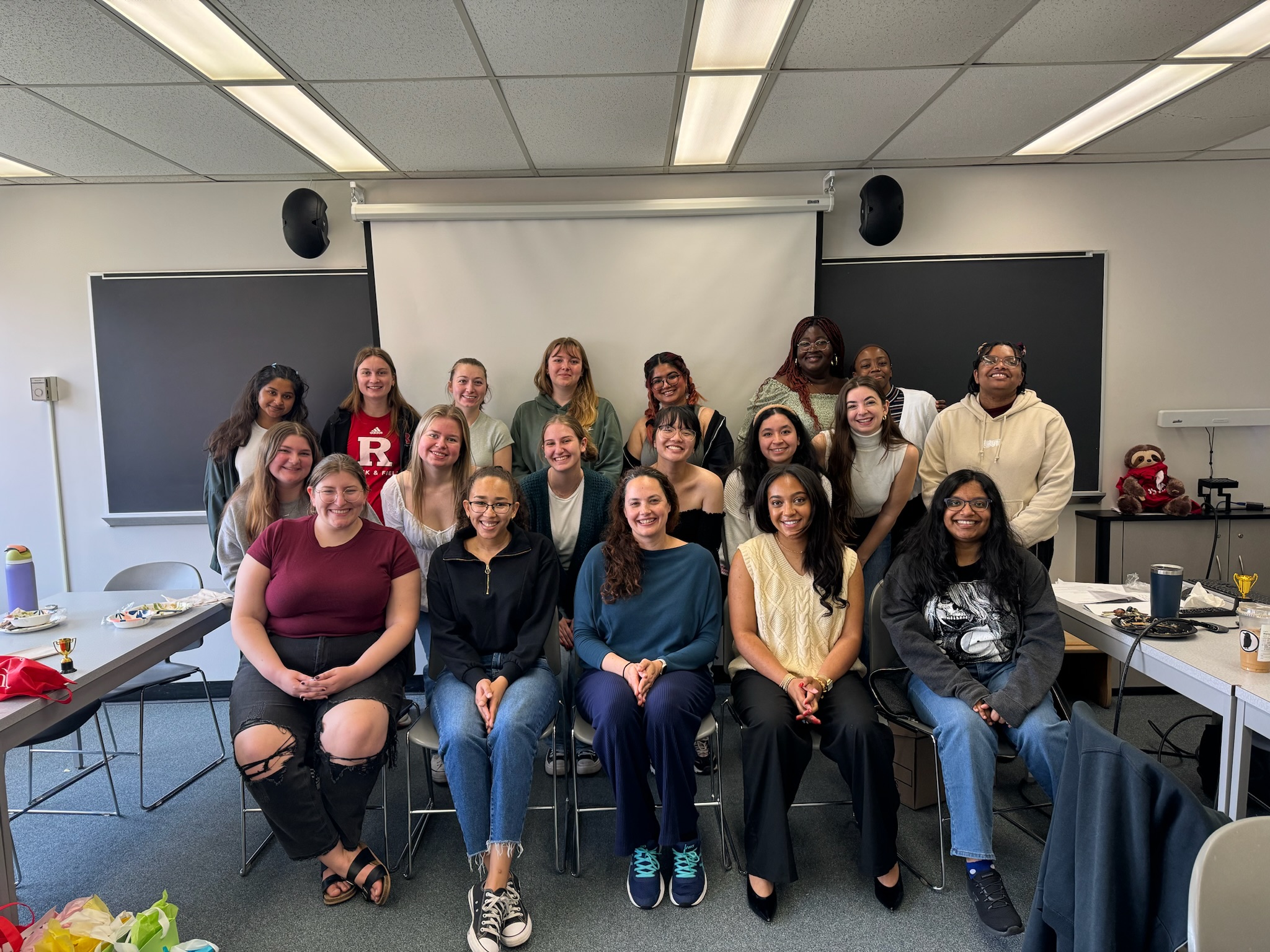
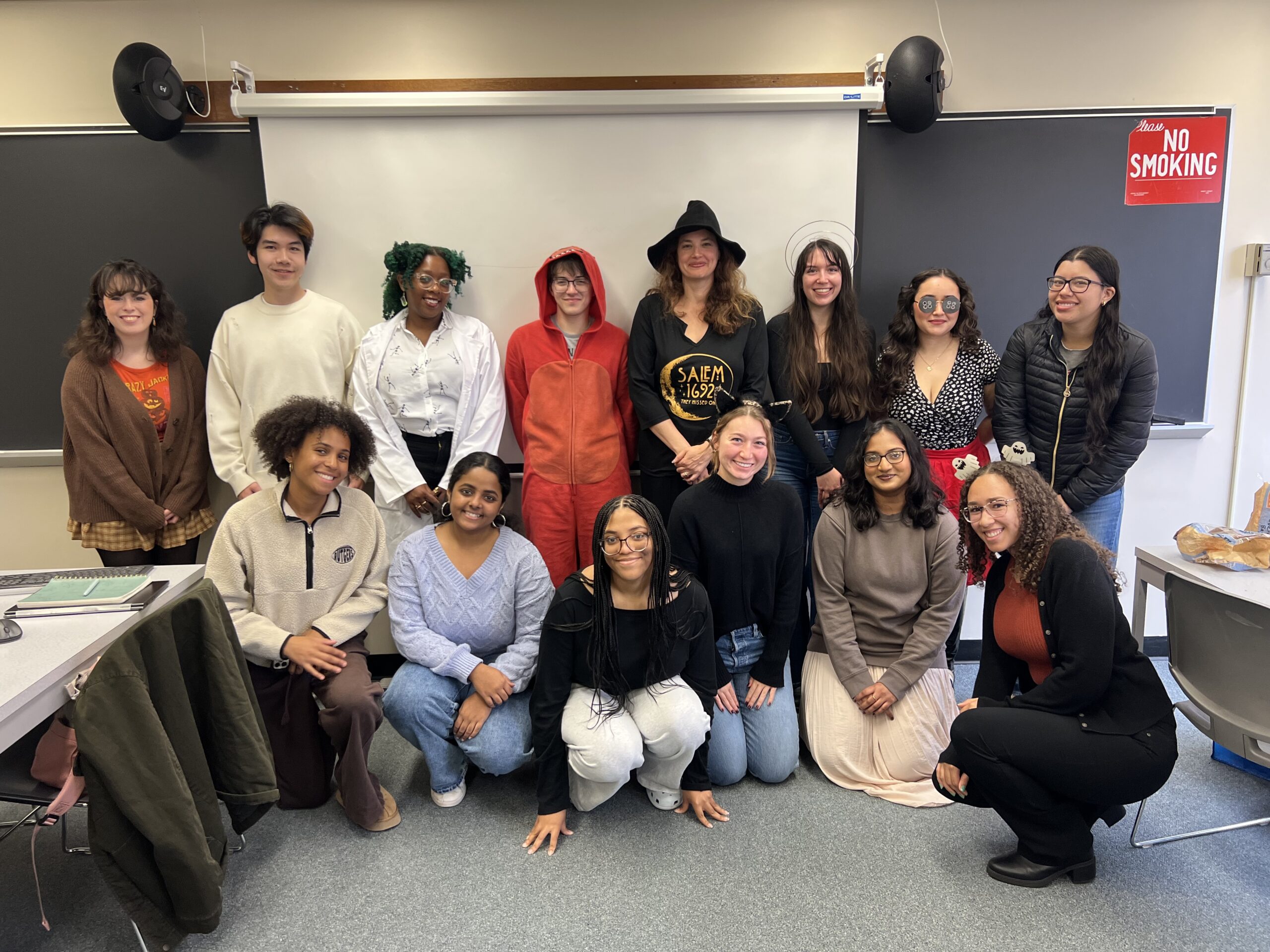
Rutgers Psychology Lab Photos!