Mastodons and Their Families

What are mastodons?
Biology, Behavior, and Diet
Mastodons had an average height of 7 feet (2.1 meters) for females or 10 feet (3.1 meters) for males, and adult mastodons weighed as much as 6 tons (5443 kg).
They lived from the Upper Miocene (about 23 million years ago) to the Pleistocene (about 10,000 years ago). The last of the mastodons went extinct between 13,000 years ago.
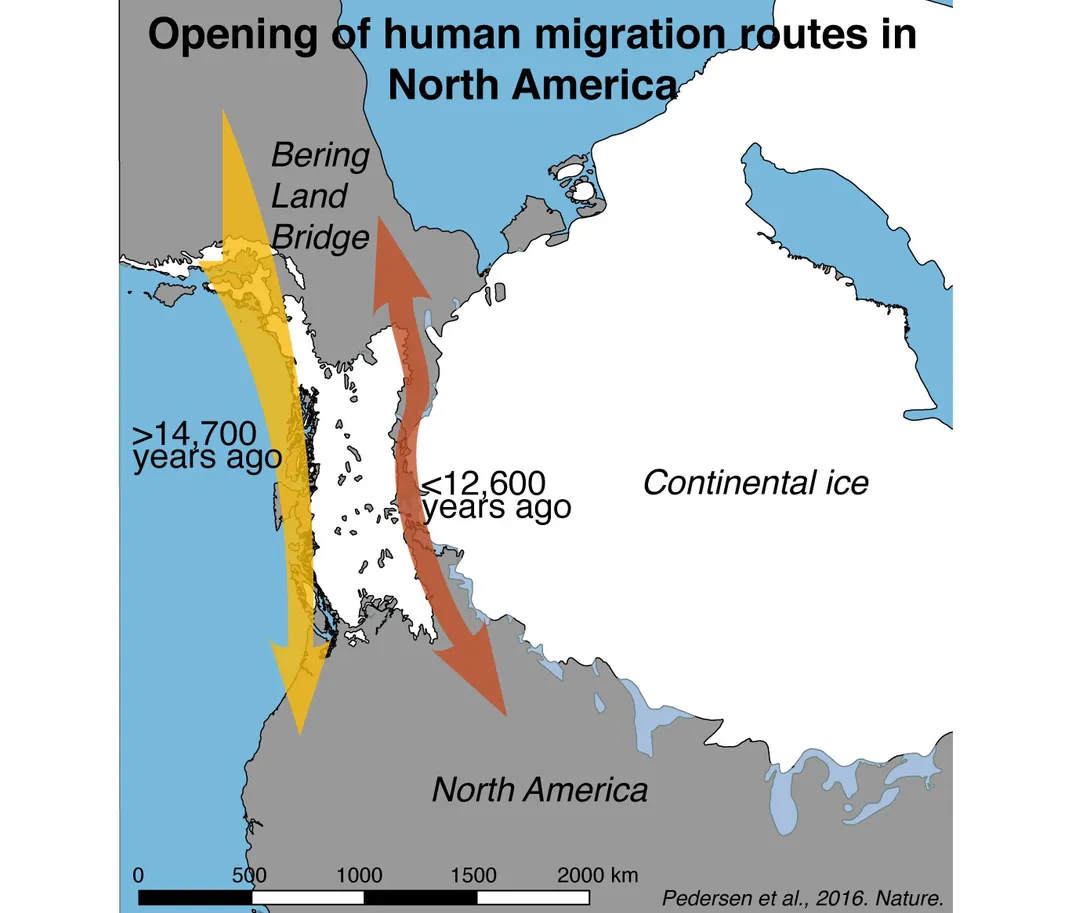 Mastodon bones have been found on nearly every continent except for Antarctica and Australia.
They crossed into the Americas through the Bering Strait around 50,000 years ago. They lived as far north as Alaska and as far south as Brazil.
Most mastodon bones are brown upon discovery (instead of white like they once were), due to the minerals in the soil that they were buried in. A type of resin coats Manny’s bones to help preserve them, but they remain essentially the same color as when they were dug up.
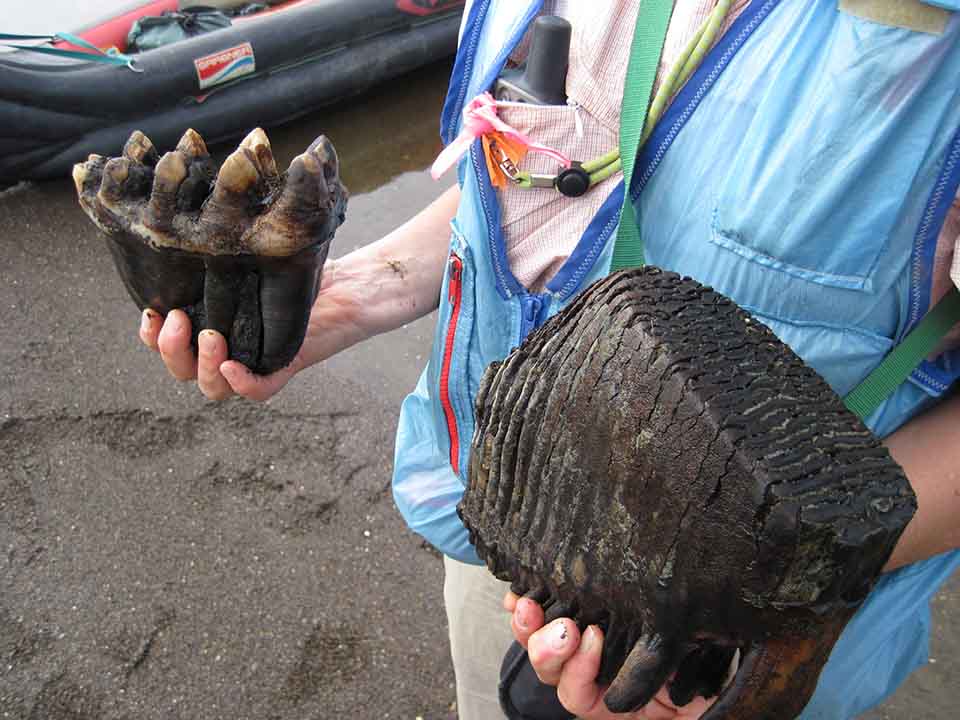
Mastodons’ teeth had adapted to eating woody foods like leaves, twigs, buds, and even pine cones of woody plants, such as shrubs, small trees, and vines. Their teeth had pointed cones to help break down this food, much like human molars.
Their feeding habits could have been very destructive. We can easily imagine such large animals toppling trees and trampling and killing plants, which may have forced them to keep moving. It is also possible that they moved to areas with salt licks or other minerals they needed, or due to climatic changes.
Scientists believe that sexual dimorphism, as seen in these animals, occurred as a result of male competition for females. The males’ larger size and larger tusks helped them compete more aggressively for females. Male mastodons also took longer to reach sexual maturity than females.
Studies that have revealed a long growth period to maturity in these animals suggest that mastodons would have required the extensive parental care provided in modern elephant herds.
Compared to Mammoths and Elephants
Mastodons branched off around 25 million years ago. Mammoths around 5 million years ago.
Mastodons were smaller than mammoths. Similar in size to modern-day elephants
Elephants are very social animals. Although we obviously don’t know mastodon behavior, we can make educated guesses based on similarities between elephant and mastodon anatomy, stature, growth, and sexual dimorphism.
Cladograms
A cladogram is a diagram that shows the hypothesized evolutionary relationships among species. The evolutionary relatedness between species is reflected in the branching pattern of the tree and the relative distances between species. Any two species have a common ancestor at the point where their respective branches intersect.
