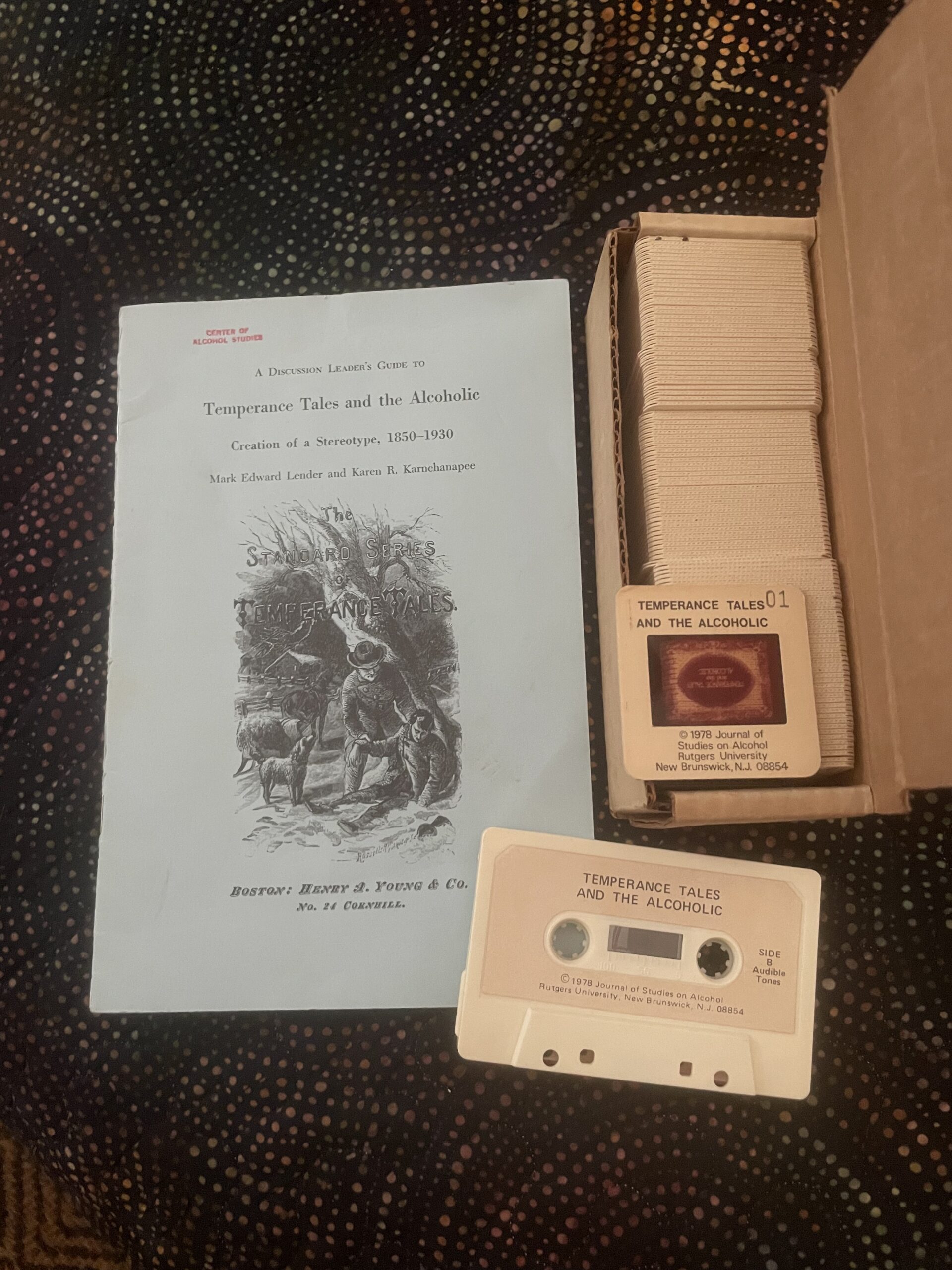
As announced last month, the Alcohol Studies Archives Exhibit was soft-launched and added the RU Libraries Digital Exhibits page. The current, updated version features 51 pages with 403 images and 101 documents, with many links to related items in RUcore’s Alcohol Studies Collection.
Hosted as part of the Digital Exhibits at Rutgers University Libraries, “Temperance Tales” introduces the Temperance movement through materials from the Alcohol Studies Archives, which preserved the visual, literary, and cultural legacy of this era of American history. From moral storytelling to activist publications, these materials capture the power of propaganda and the social forces that shaped attitudes toward alcohol.
The “Temperance Tales” digital exhibit offers an overview of the rich materials preserved in the Rutgers Center of Alcohol Studies Archives over the decades. With its engaging and diverse pages, the exhibit invites visitors to explore how the Temperance movement evolved into national Prohibition, and how it ultimately shaped American society.
 Introduction to Temperance and Prohibition
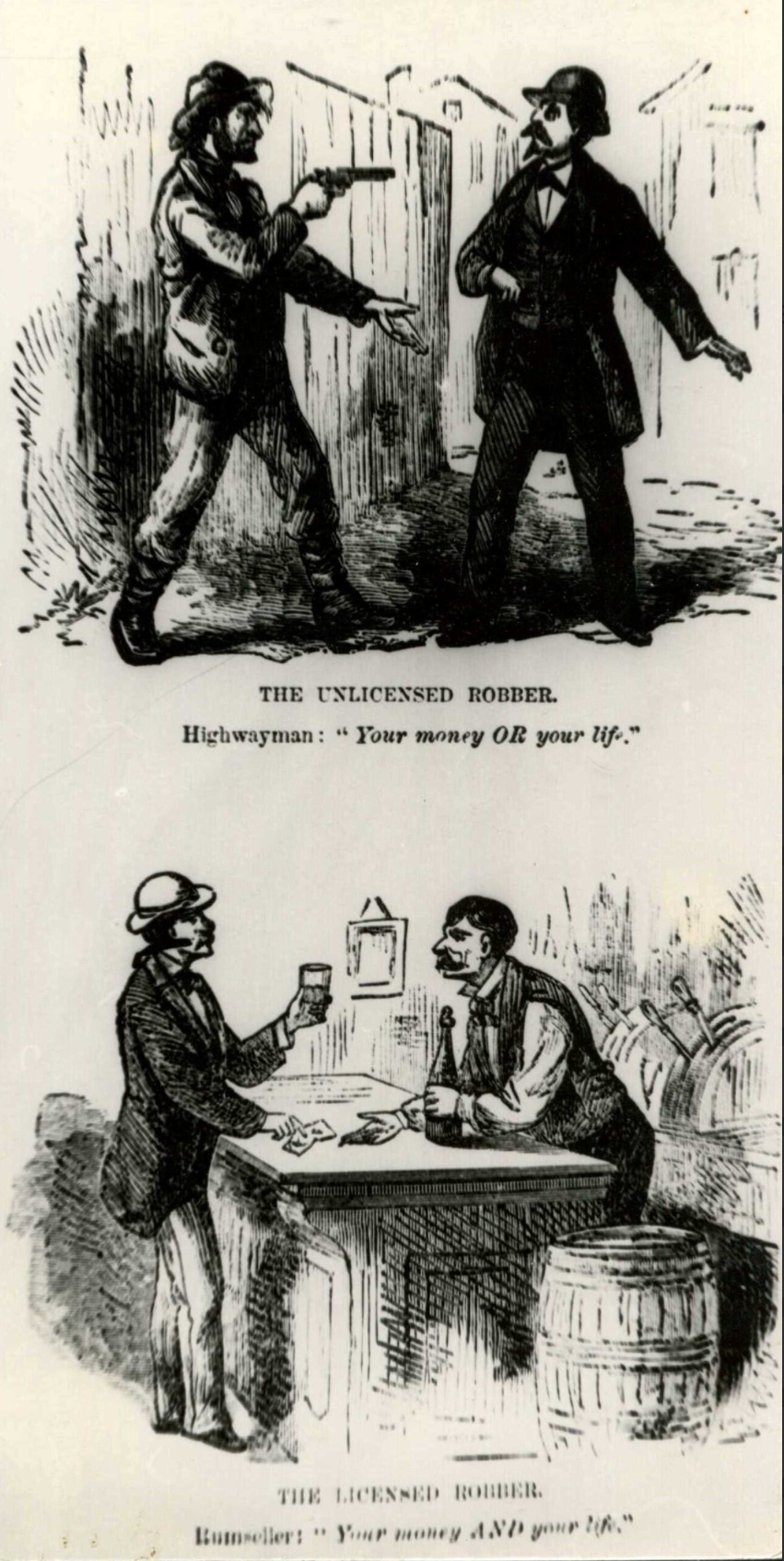
The exhibit introduces the background, the print Temperance Collection at the Center of Alcohol Studies Library Temperance Collection, which contains documents, photographs, and illustrations used for informational, entertainment, and propaganda purposes in the 19th century. The exhibit showcases the digital collection, with its about 200 images and 250 pdfs, selected, preserved, and digitized from the print from 1999-2025.
The exhibit also serves as a tribute to all archivists, librarians, and researchers who helped preserve this history. Many items in the exhibit were gathered over decades from personal donations, institutional records, and private collections.
Books on Temperance
A page called “Book Covers” gives an insight of the rich print collection, for starters. Images on this page were digitized from rare (and fragile) books related to Temperance from the original Alcohol Library Rare Book Collection and cataloged for the Alcohol Collection in the Special Collections & University Archives of the Rutgers University Libraries. Where applicable, links are provided to access the full text of the titles available online in the public domain.
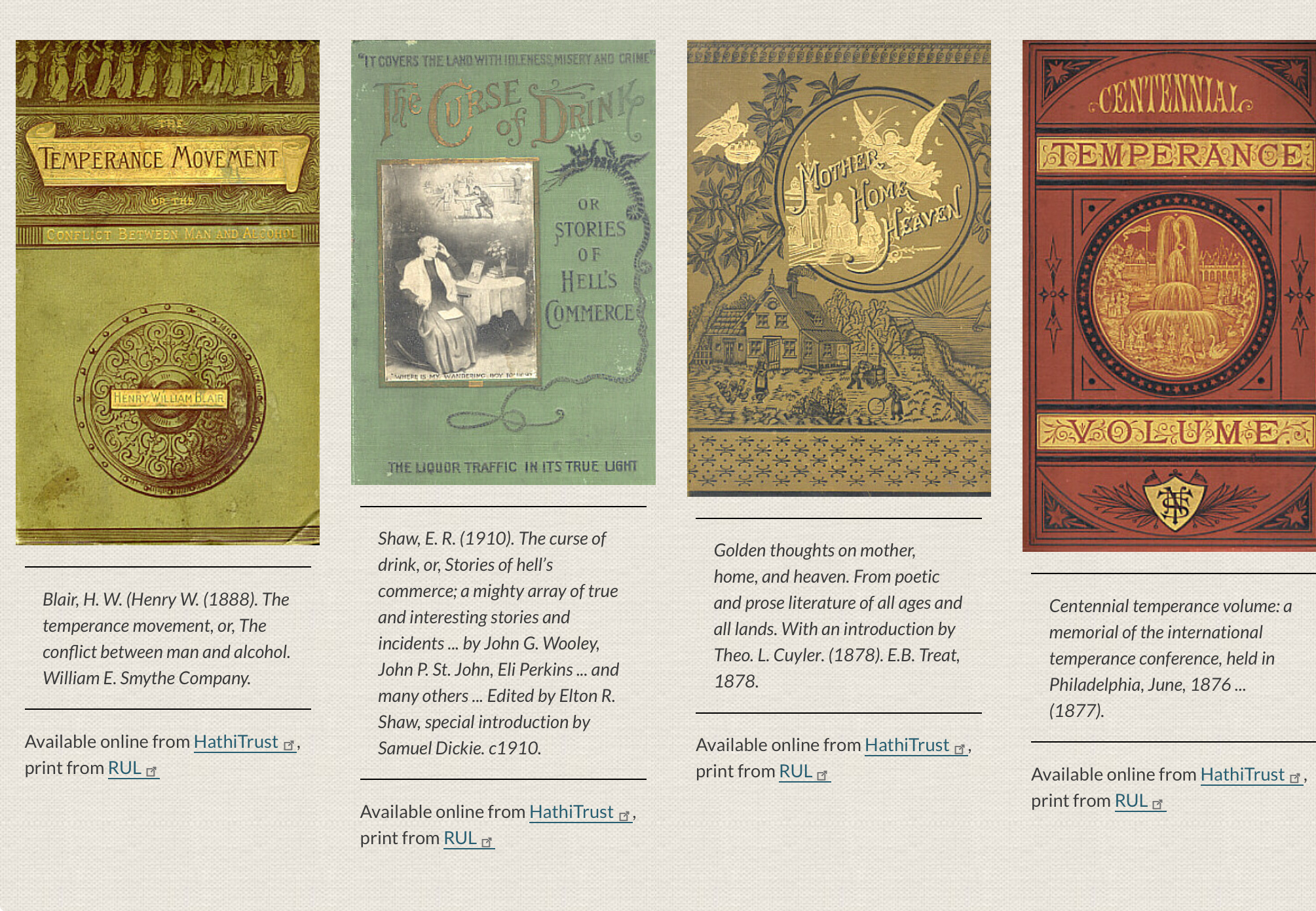 Several books are featured on individual pages to represent publications during the period, including
Temperance-themed illustration
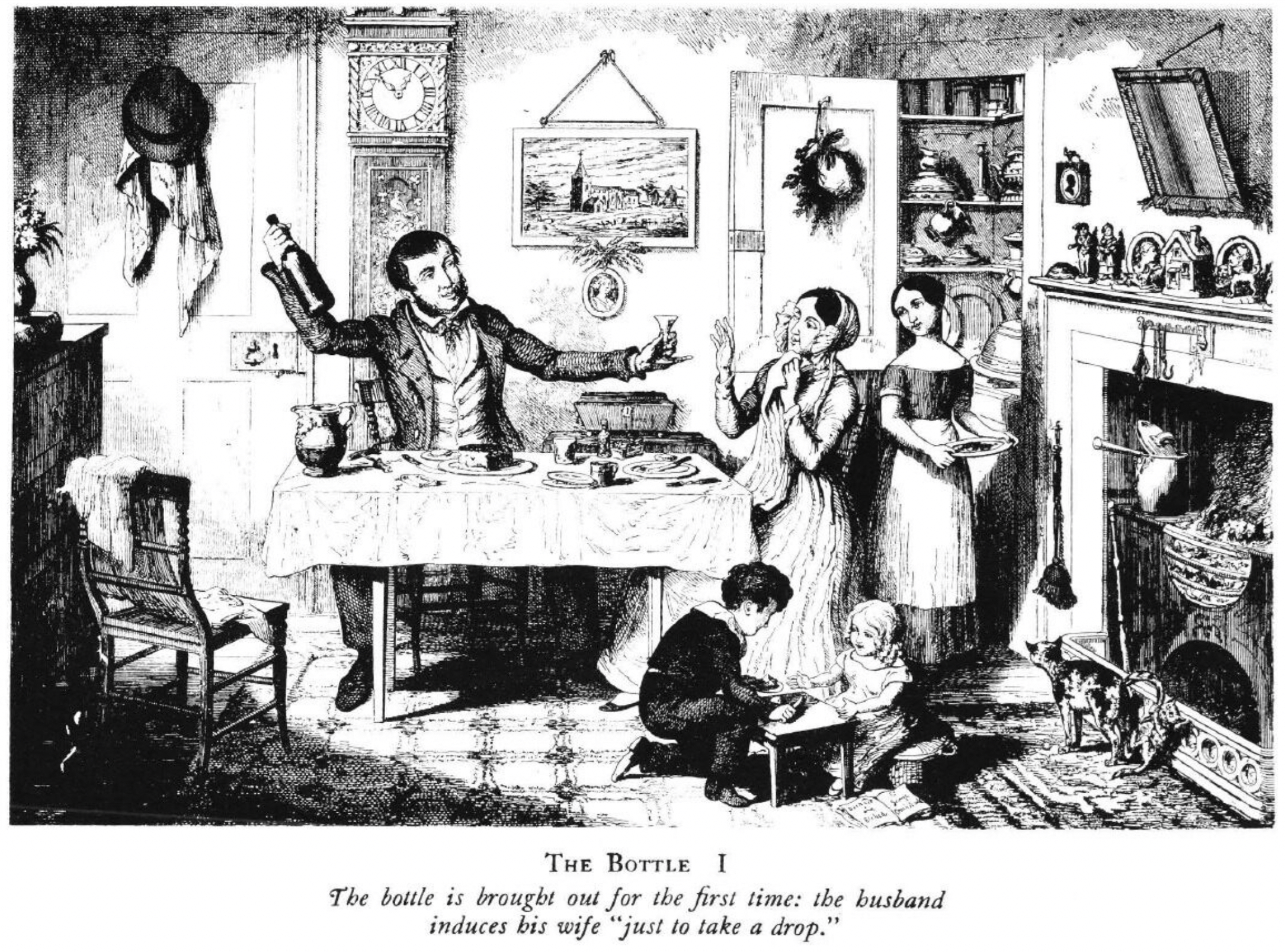 Two pages are dedicated to George Cruikshank’s temperance-themed artwork to promote abstinence from alcohol during Britain’s growing temperance movement: The Bottle and The Drunkard’s Children.
They serve as examples of the common theme in all temperance literature and art, showing the progressive nature of alcoholism and alcohol’s ability to reduce prosperous individuals to the ruined condition that became the stereotyped image of the alcoholic.
The sixteen plates served as an illustration for the article “GEORGE CRUIKSHANK. The Evils of Drunkenness as Sketched by George Cruikshank. With Reproductions of his Etchings The Bottle and The Drunkard’s Children” written by Mark Keller, published in the Quarterly Journal of Studies on Alcohol in 1944, Vol.5 (3), p. 483-504 as part of the Classics of Alcohol Literature series.
Temperance leaders: Protecting the family, women, and children
A separate page is dedicated to the organizations that powered the movement, including the Woman’s Christian Temperance Union (WCTU) and the Anti-Saloon League, paying a special attention to their leaders. The Temperance movement began before women had the right to vote, and, lacking venues to promote public policy elsewhere, many women were eager to join and participate. Women viewed alcohol as a major cause of poverty, domestic violence, and moral decline and saw temperance as a way to protect their families and improve society.
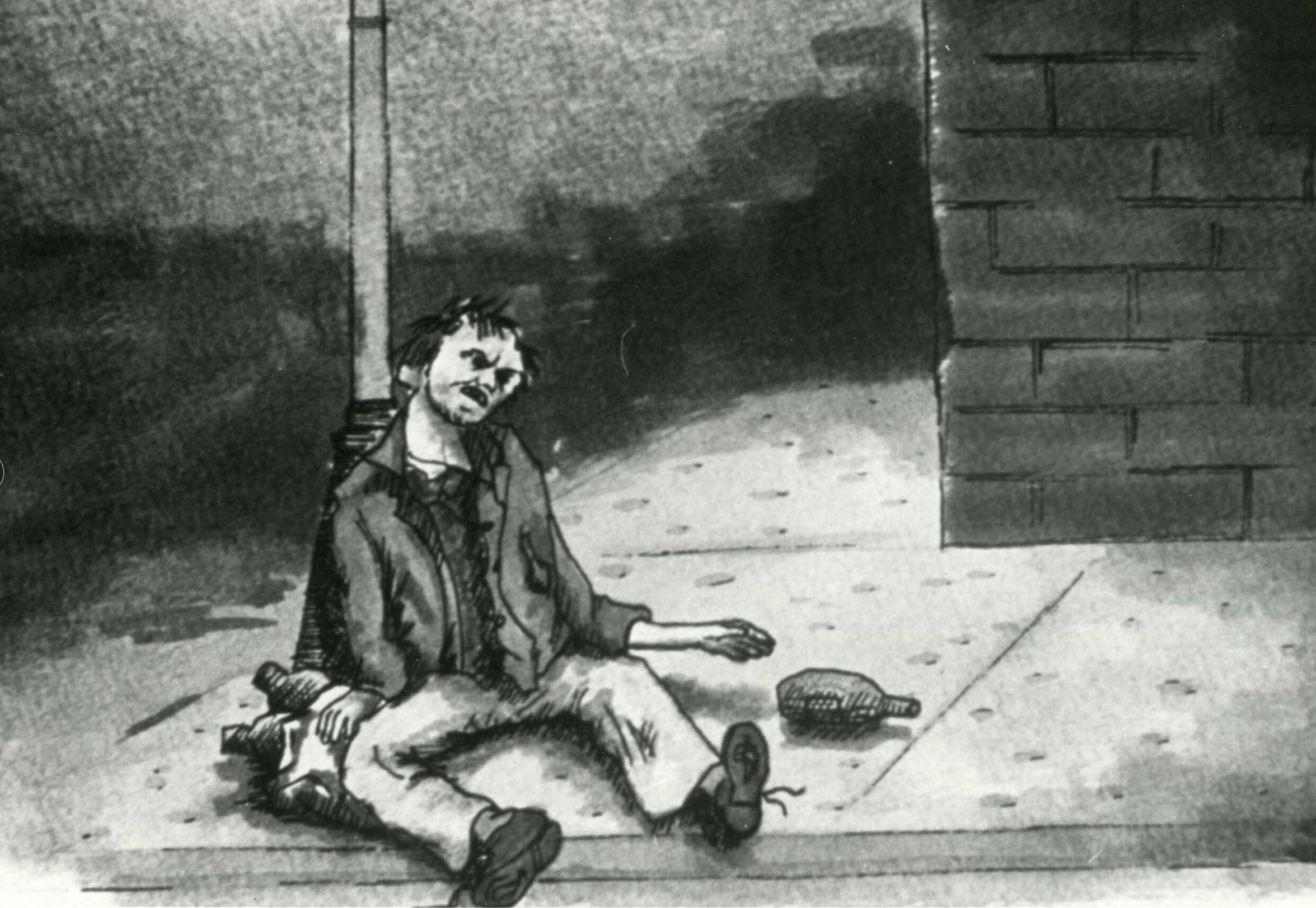 The exhibit highlights how 19th‑century temperance advocates—especially women—framed alcohol as a threat to the home, using vivid illustrations of domestic abuse, neglected children, and financial hardship to drive emotional impact and moral urgency. It showcases powerful visuals, scenes of delirium tremens, and stark contrasts between temperate and intemperate households, emphasizing children as innocent sufferers. The exhibit underscores how temperance literature harnessed these images to provoke empathy, inspire reform, and support policy change aimed at protecting vulnerable women and children.
Visit Temperance Tales
Whether you’re a researcher, educator, or curious visitor, the images and documents featured offer an engaging, often surprising look at one of the most influential reform efforts in American history. Visit the exhibit to explore the story—and the artifacts—that shaped a nation’s relationship with alcohol.
Stay tuned for the digitized version of the original “Temperance Tales,” which inspired this exhibit.