Sweet Pepperbush
Sweet Pepperbush
Clethra alnifolia
Family: Clethraceae
Phonetic spelling: KLETH-ruh al-nih-FOH-lee-ah
By Talia Gould


Description:
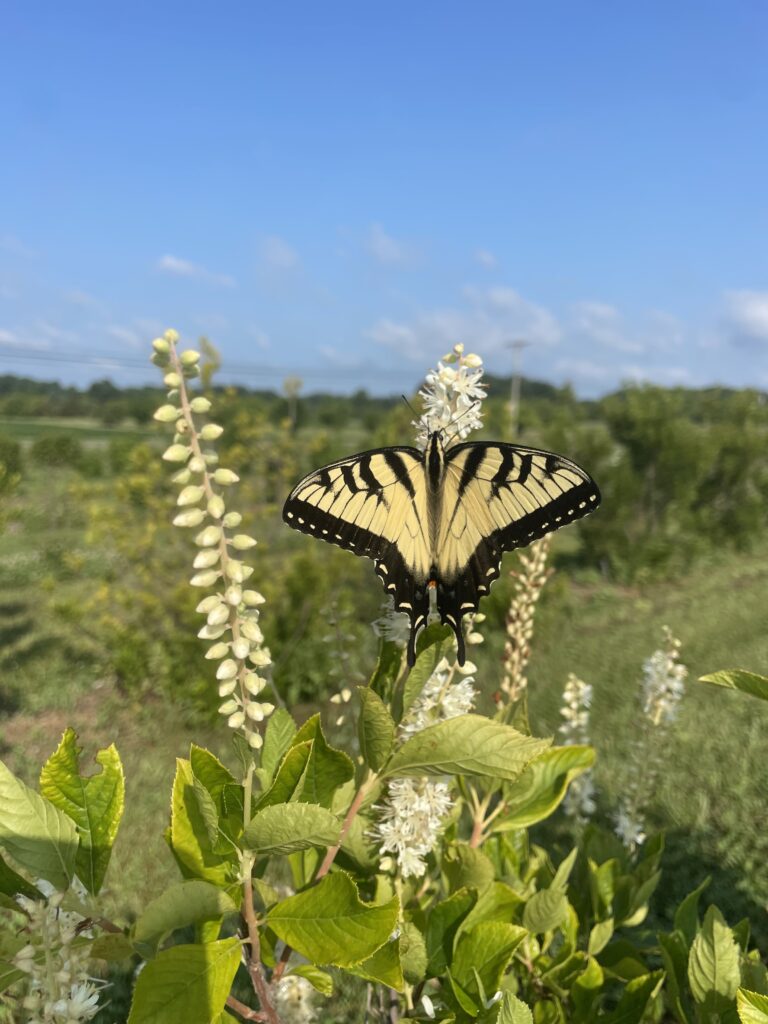
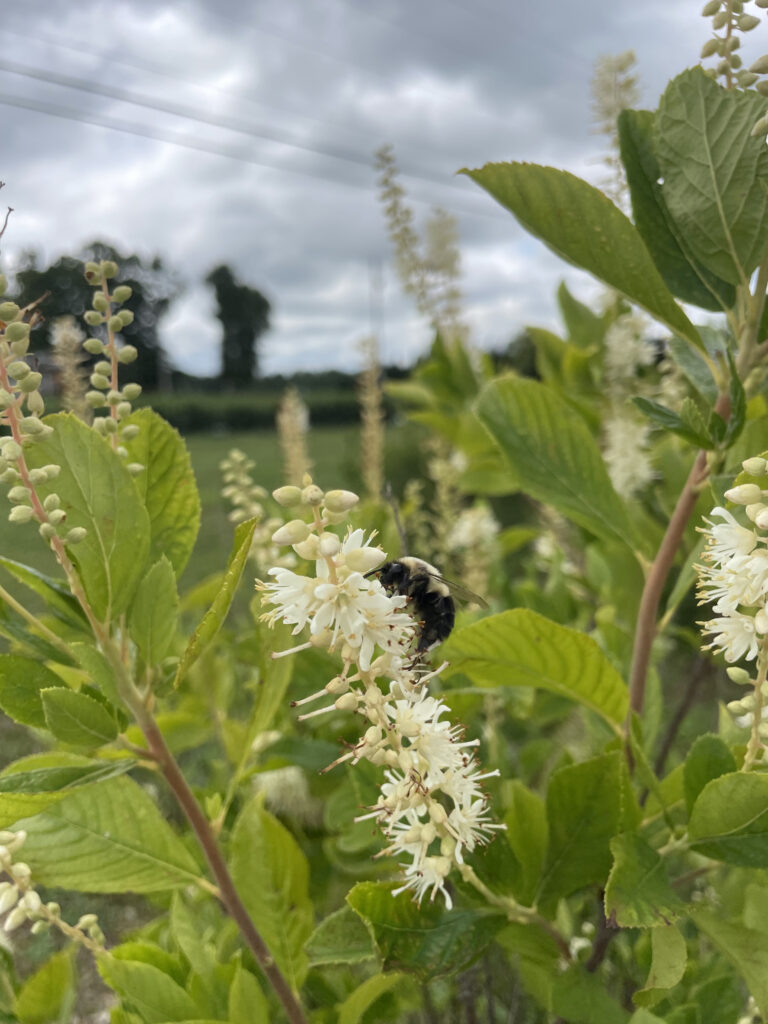
Clethra alnifolia, commonly known as sweet pepperbush or summer sweet, is a deciduous perennial shrub native to eastern and southern North America ranging naturally from Maine down to Florida and west to Texas. In the wild it can be found in swamps, sandy woods, and water edges. Typically, it grows as a multi-stemmed, rounded shrub reaching 3-8 feet tall with a 4-6 foot spread. The plants feature glossy dark green leaves that transition to yellow or golden-brown in autumn. Small, white, intensely fragrant flowers grow in dense clusters producing high-quality nectar and pollen that supports butterflies, bees, hummingbirds and other pollinators July-August. The flowers are followed by dark brown capsules that mature in the fall and provide bird seeds in the winter. It is unique to other flowering shrubs because it blooms in shady locations like forest under-stories when other shrubs have already gone through bloom.
Clethra alnifolia performs well in moist, acidic soils in full sun to partial shade. In its native habitat or in similar conditions, it produces suckers that will form small thickets providing effective soil erosion control in rain gardens and wetlands.
Plant Details
- Growing Conditions:
- USA Hardiness Zones: 3 to 9 (dormant plants can tolerate temperatures down to -22°F).
- Sun Exposure: Full sun to partial shade; Tolerates heavy shade.
- Moisture Requirements: Medium to wet. Prefers consistently wet conditions and can tolerate periodic floods but not hot, dry sites.
- Soil Preferences: Prefers acidic (pH <6.0) soil.
- Soil Texture: Clay, Loam, Sand.
- Soil Moisture: Moist to wet.
- Pruning & Maintenance: Low maintenance. Responds well to pruning in late winter and early spring. Remove root suckers unless thicket formation is desired.
- Bloom Time: July-August.
- Recommended Propagation Strategy: Stem cuttings, seed, division.
- Straight Species Size: 3-8’ tall x 4-6’ wide.
- Ecological Services:
- Nectar Source: Fragrant summer flowers provide heavy nectar for native bees, honeybees, butterflies, and hummingbirds after many other plants have stopped blooming.
- Food Source: Persistent seed capsules are a reliable late-season and winter food source for many small mammals and songbirds.
- Cover & Nesting: Dense branching provides structural cover for nesting sites.
- Erosion Control: Underground root systems form dense thickets that stabilize soil along pond edges, stream banks and slopes.
- Beneficial Insects & Birds: Native bees, honey bees, butterflies, and birds. Hummingbirds.
- Larval Host: 10 species of butterflies and moths use this as a caterpillar host plant.
- Columbia silkmoth (Hyalophora columbia)
- Large Lace Border (Scopula limboundata)
- Isabella Tiger Moth (Pyrrharctia isabella)
- Sweet Pepperbush Nola (Nola Clethrae)
- Inornate Olethreutes (Olethreutes inornatana (Clemens, 1860))
- Zigzag Herpetogramma (Herpetogramma thestealis)
- Insects, Diseases or Problems: Spidermites present an issue if the plant is grown in dry conditions. When planted in the proper conditions it is insect and disease resistant. Deer generally dislike the aromatic leaves and blooms making this plant a reliable deer-resistant shrub.
Cultivars:
-
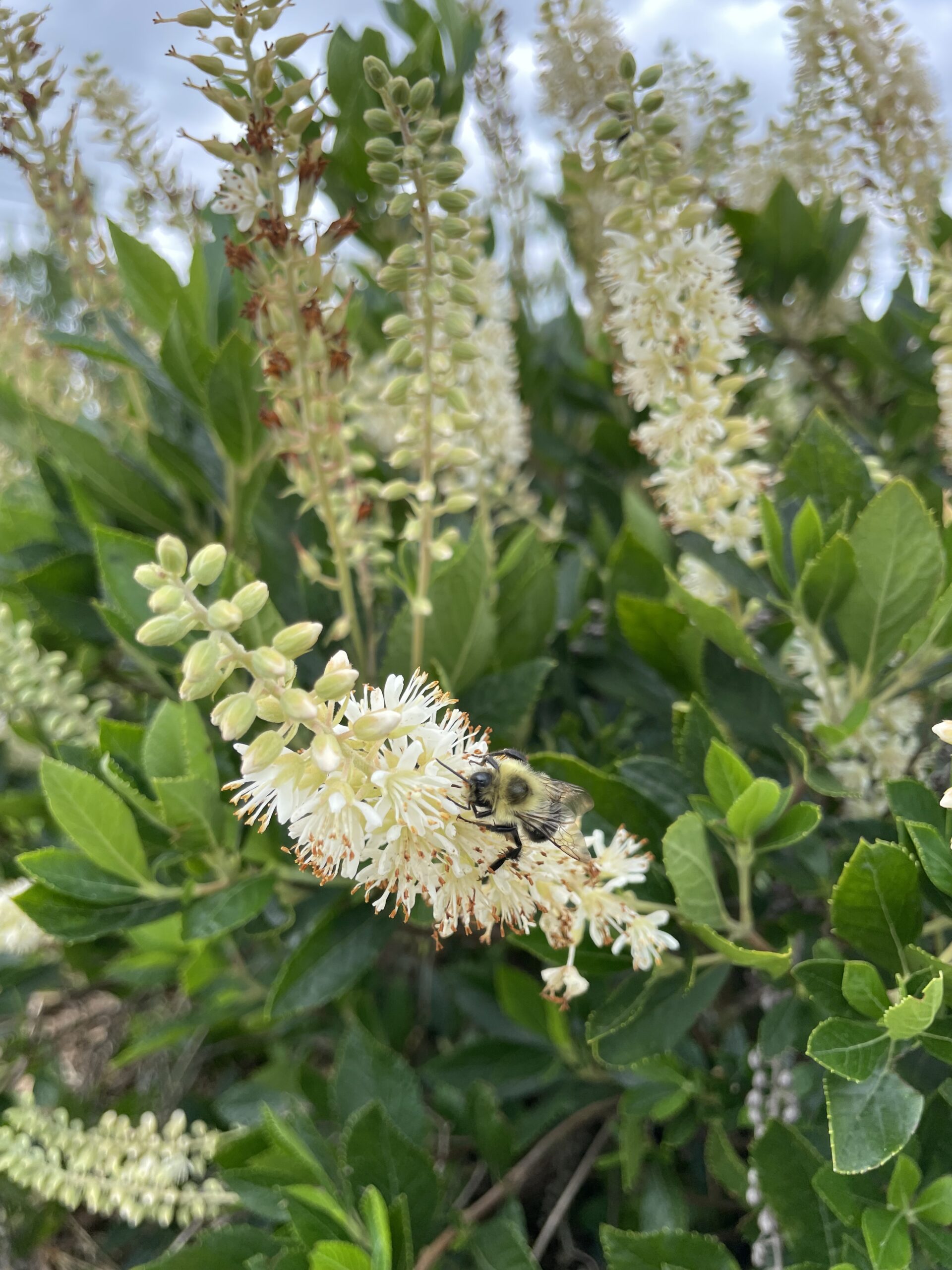
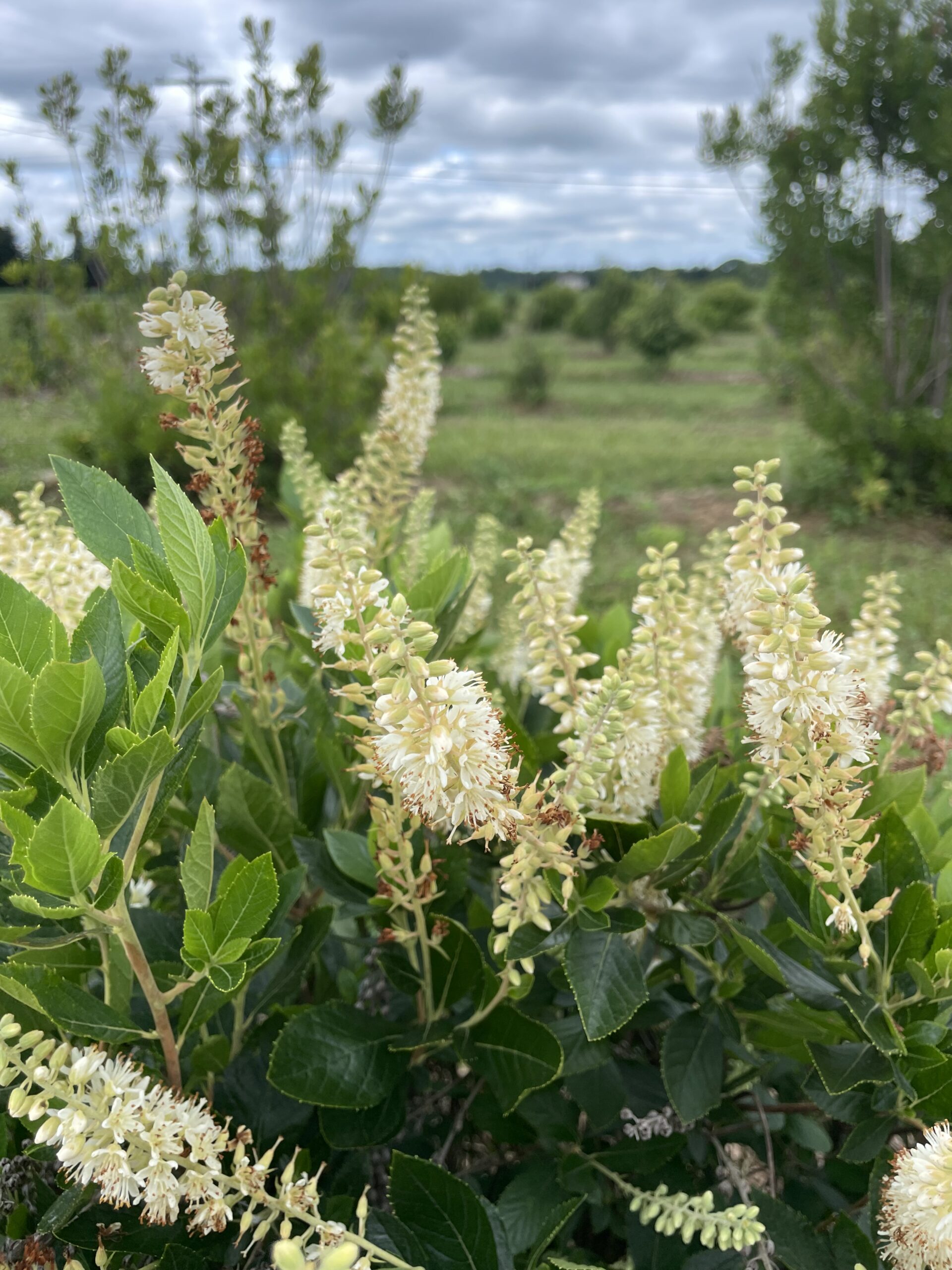
Retains a more compact mounded shape. It is slow spreading and more floriferous.
Found growing wild by Hummingbird Lake at Callaway Gardens, Pine Mountain, GA, by graduate intern Richard Feist in 1977.
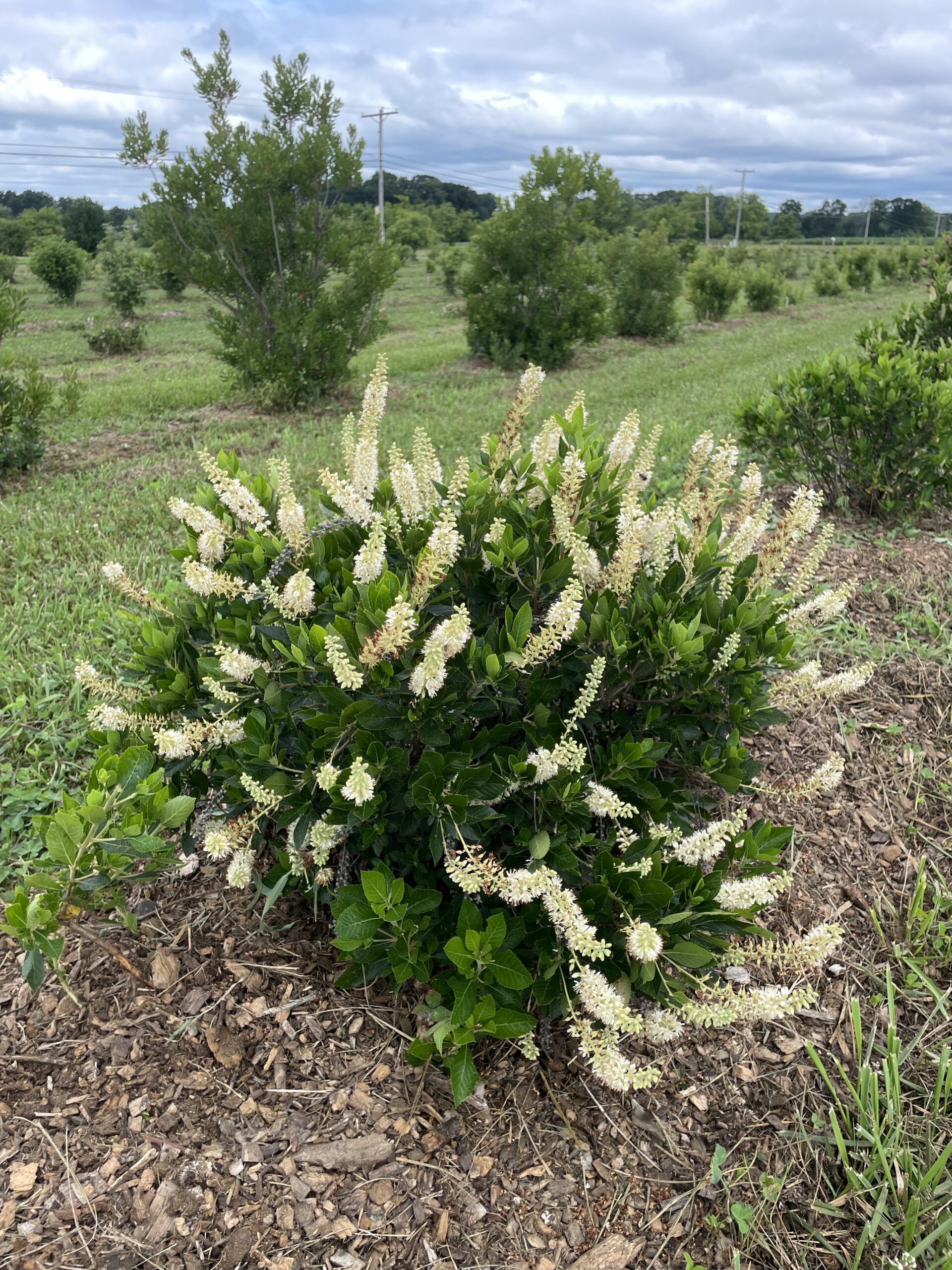
2-4’ tall x 3-5’ wide
-
Noted for its fragrant rose-pink flowers that bloom in later summer.
Discovered in 1992 as a natural branch sport of C. alnifolia ‘Pink Spire’ at Broken Arrow Nursery in Connecticut.
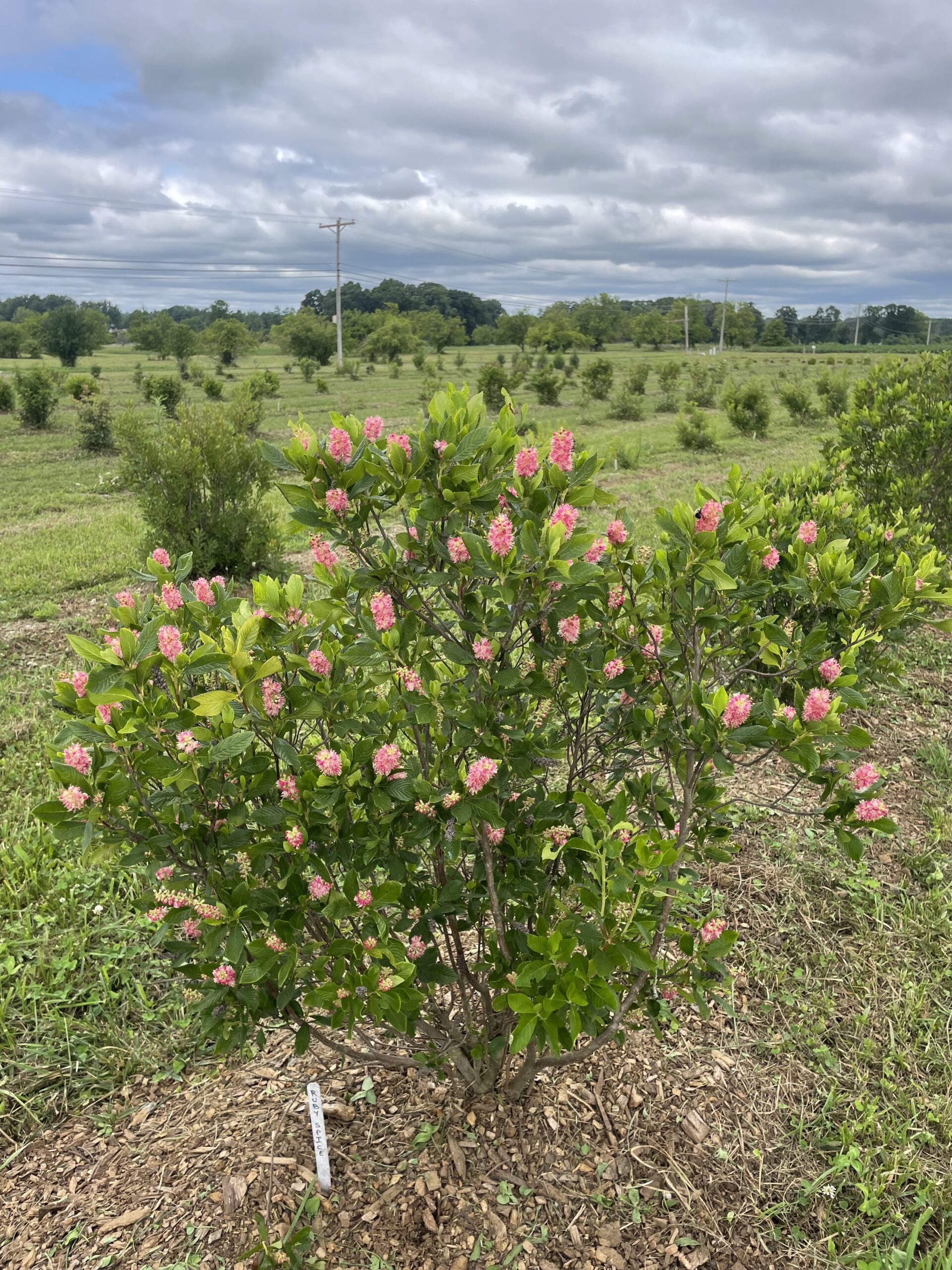
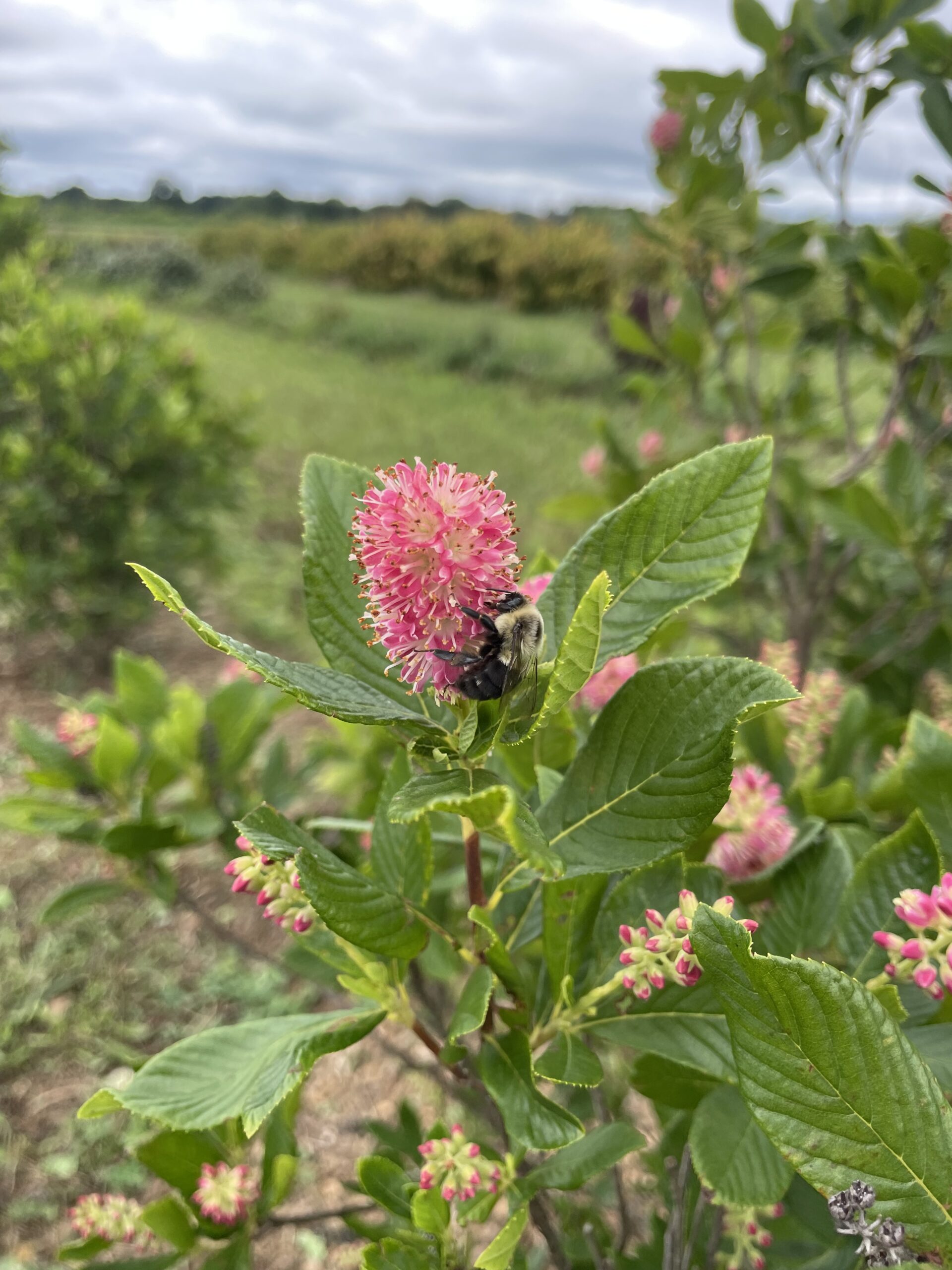
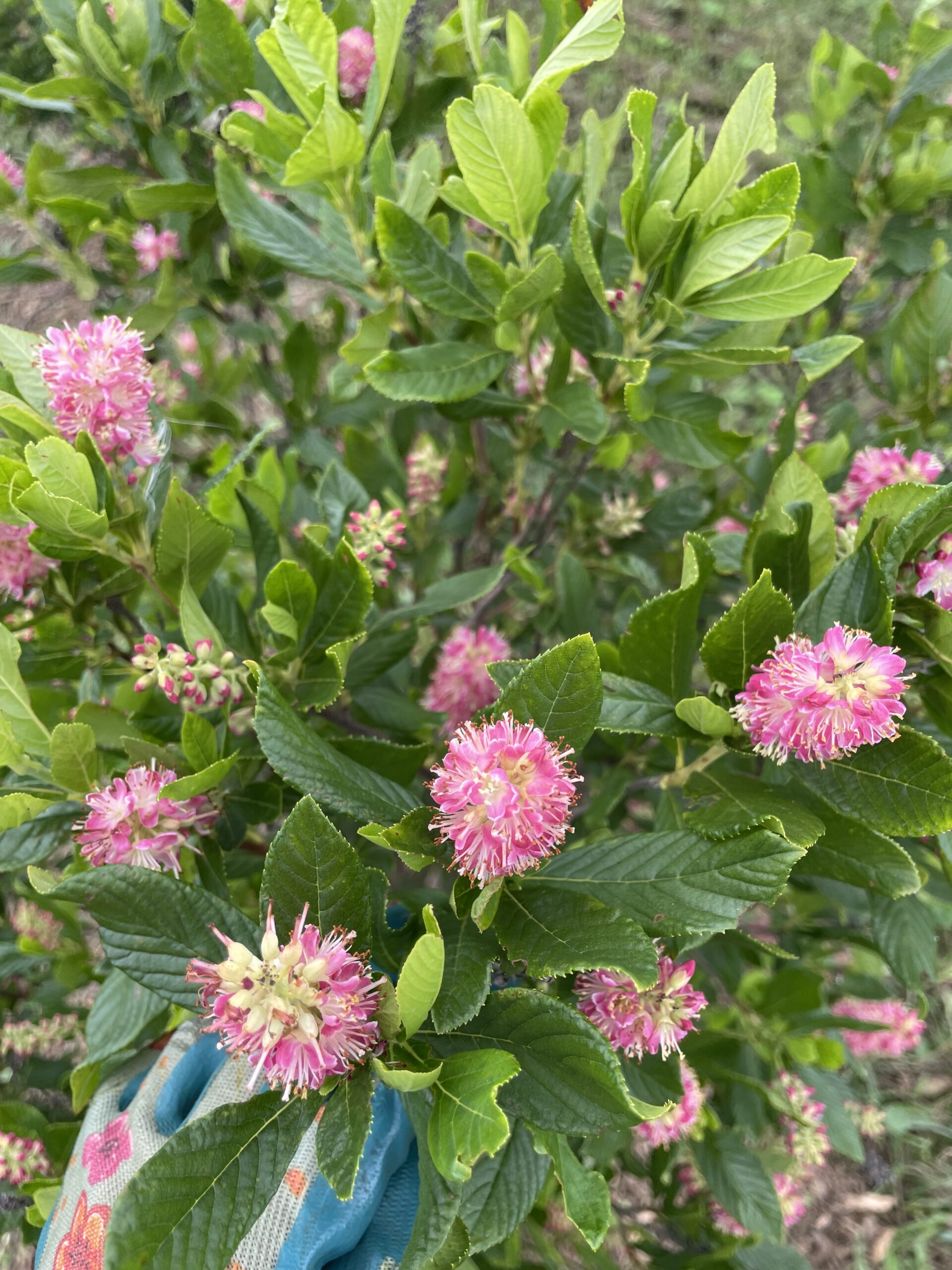
4-6’ tall x 3-5’ wide
-
Crystalina’ was developed through a breeding program at North Carolina State University. It was selected from a population of seedlings derived from Clethra alnifolia ‘Ruby Spice’. U.S. Plant Patent PP21,561 was issued on December 7, 2010.
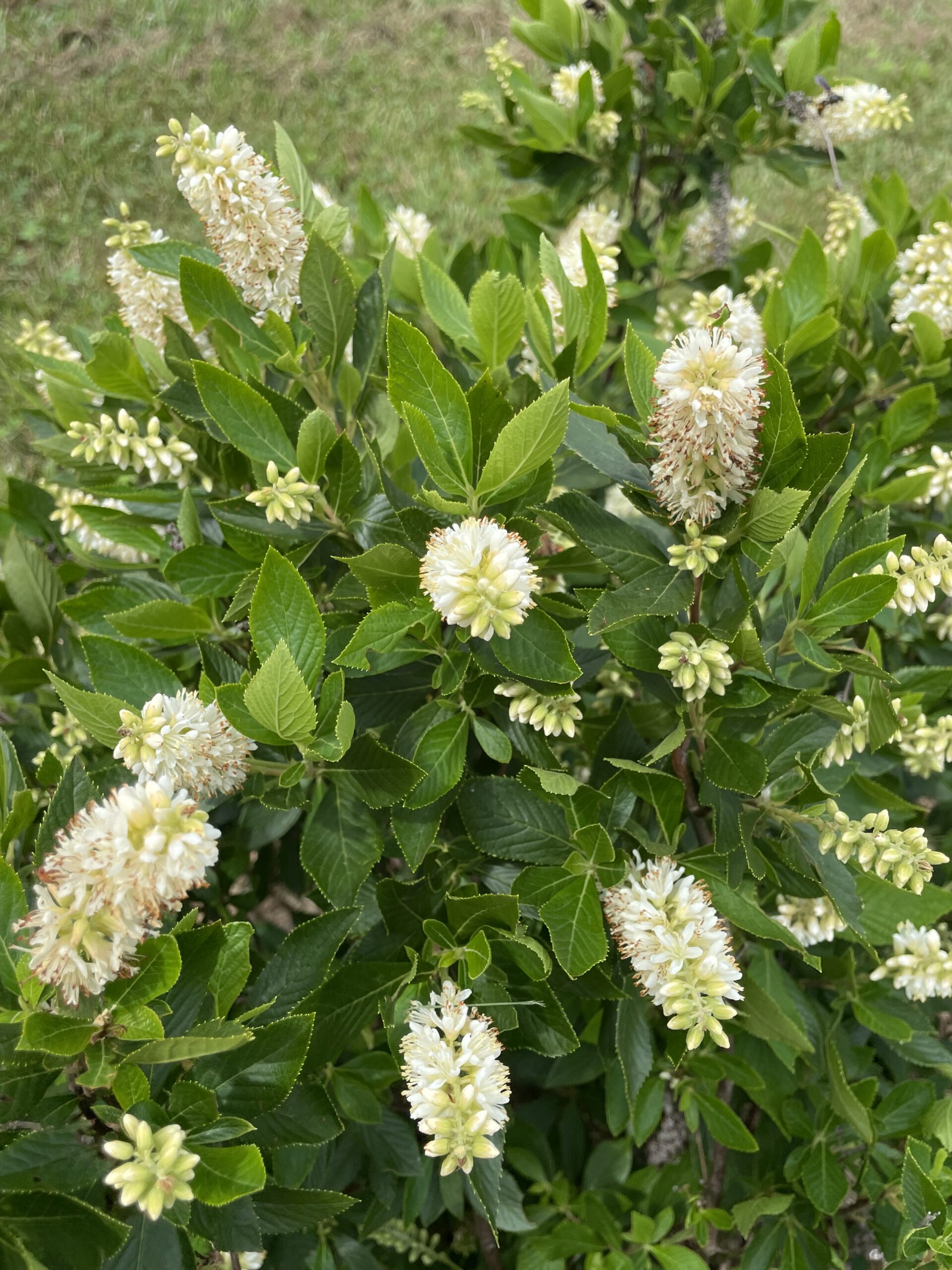
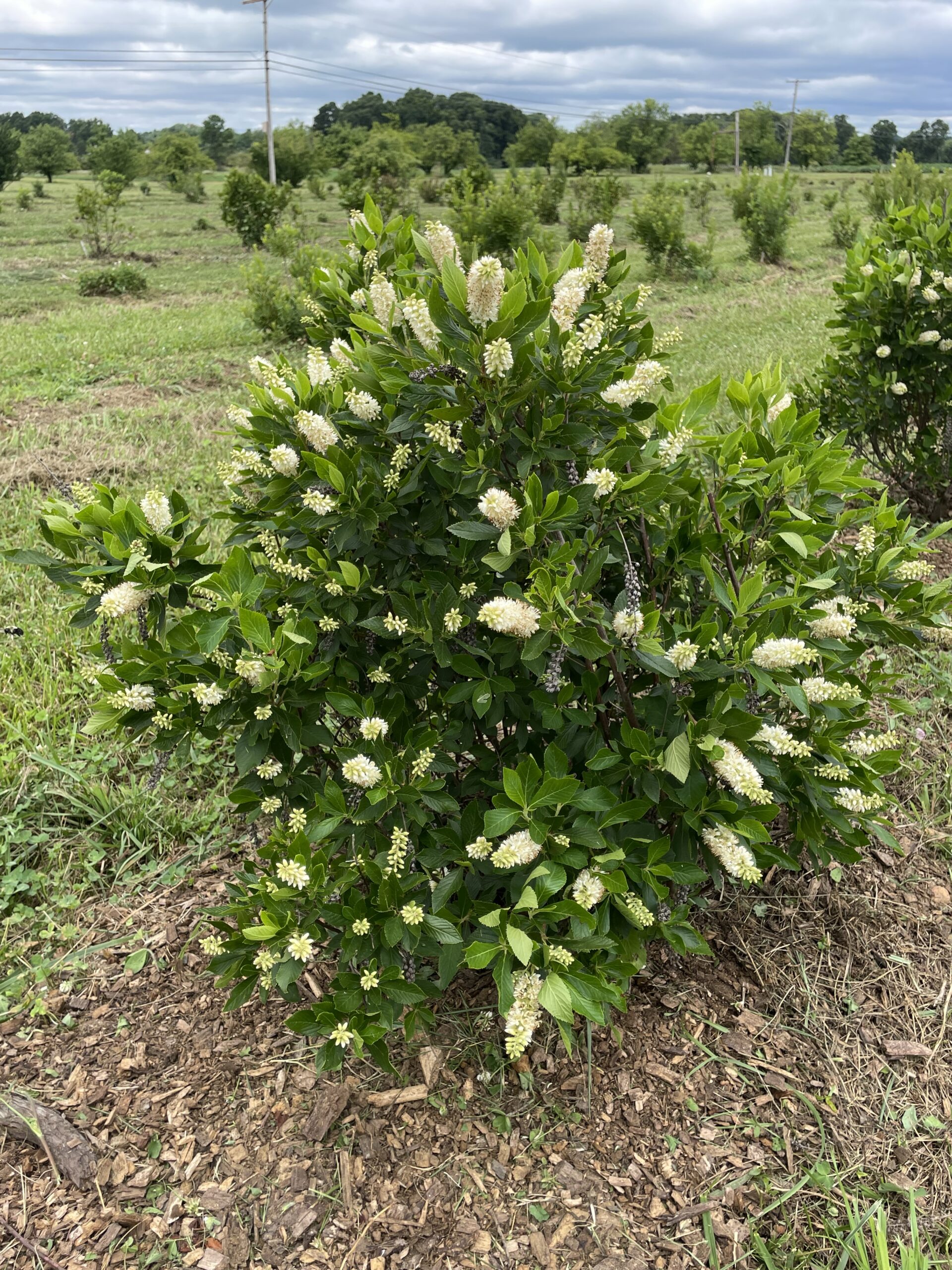
2-3’ tall x 3-4’ wide
-
Noted for its upright, candle-like flower spikes and compact size.
Selected from a group of “Hummingbird” seedlings and introduced by Dr. Michael Dirr.
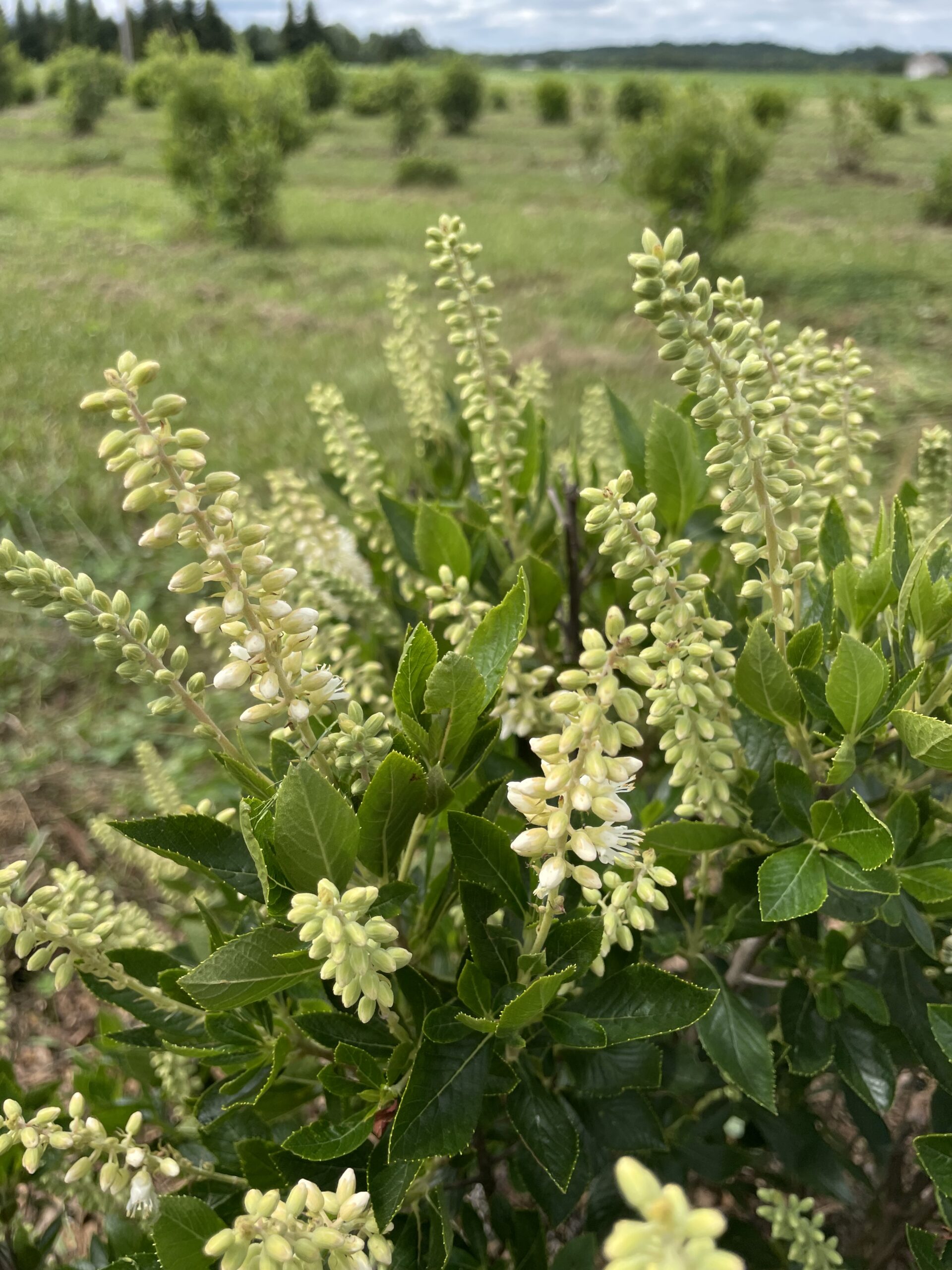
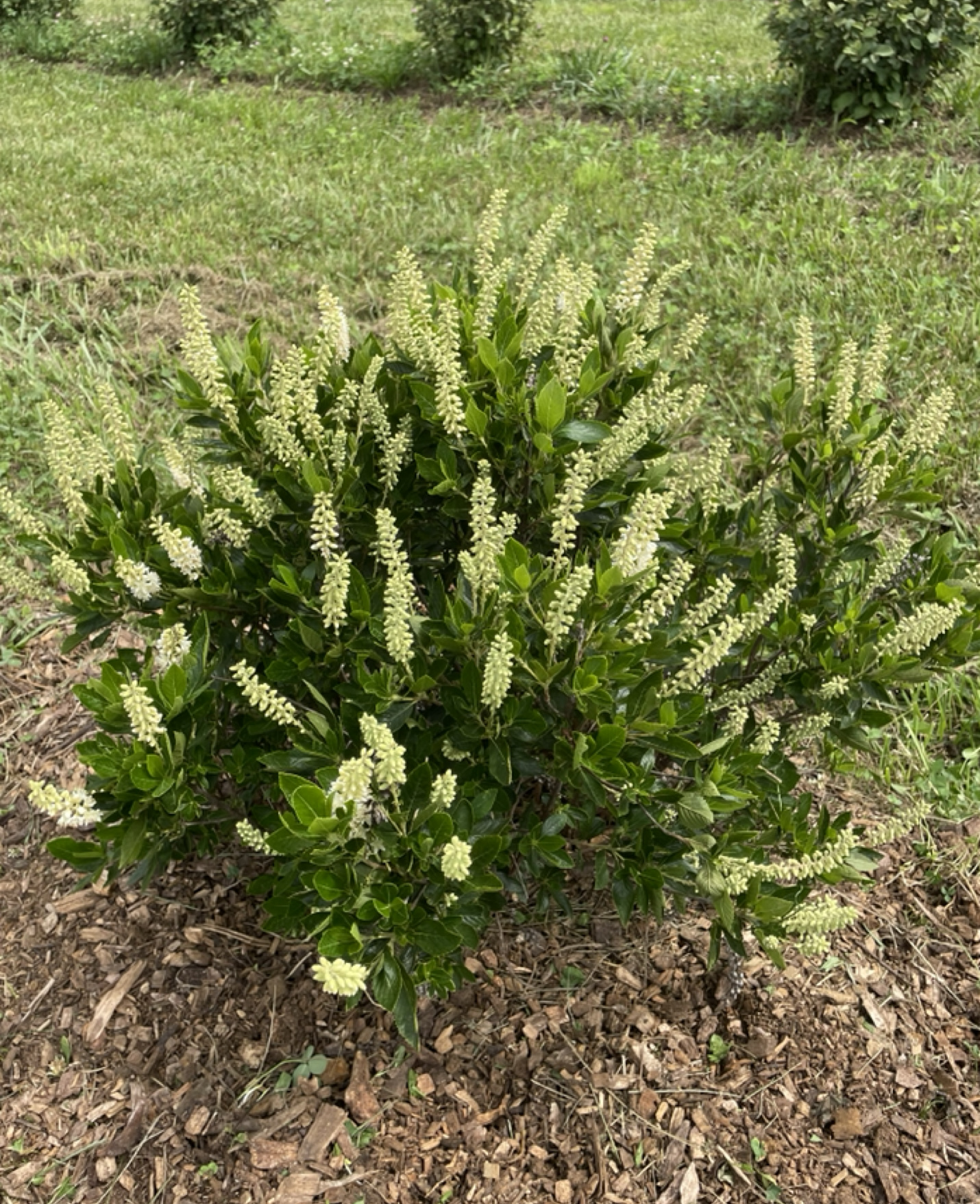
4-5’ tall x 2-3’ wide
-
Known for its darker, glossier leaves and more compact, denser growing habit.
Found and introduced by Tom Dilatush of Dilatush Nursery in Robbinsville, New Jersey in the 1970’s. He discovered it growing on a compost pile. It won a Gold Medal from the Pennsylvania Horticultural Society in 2010.
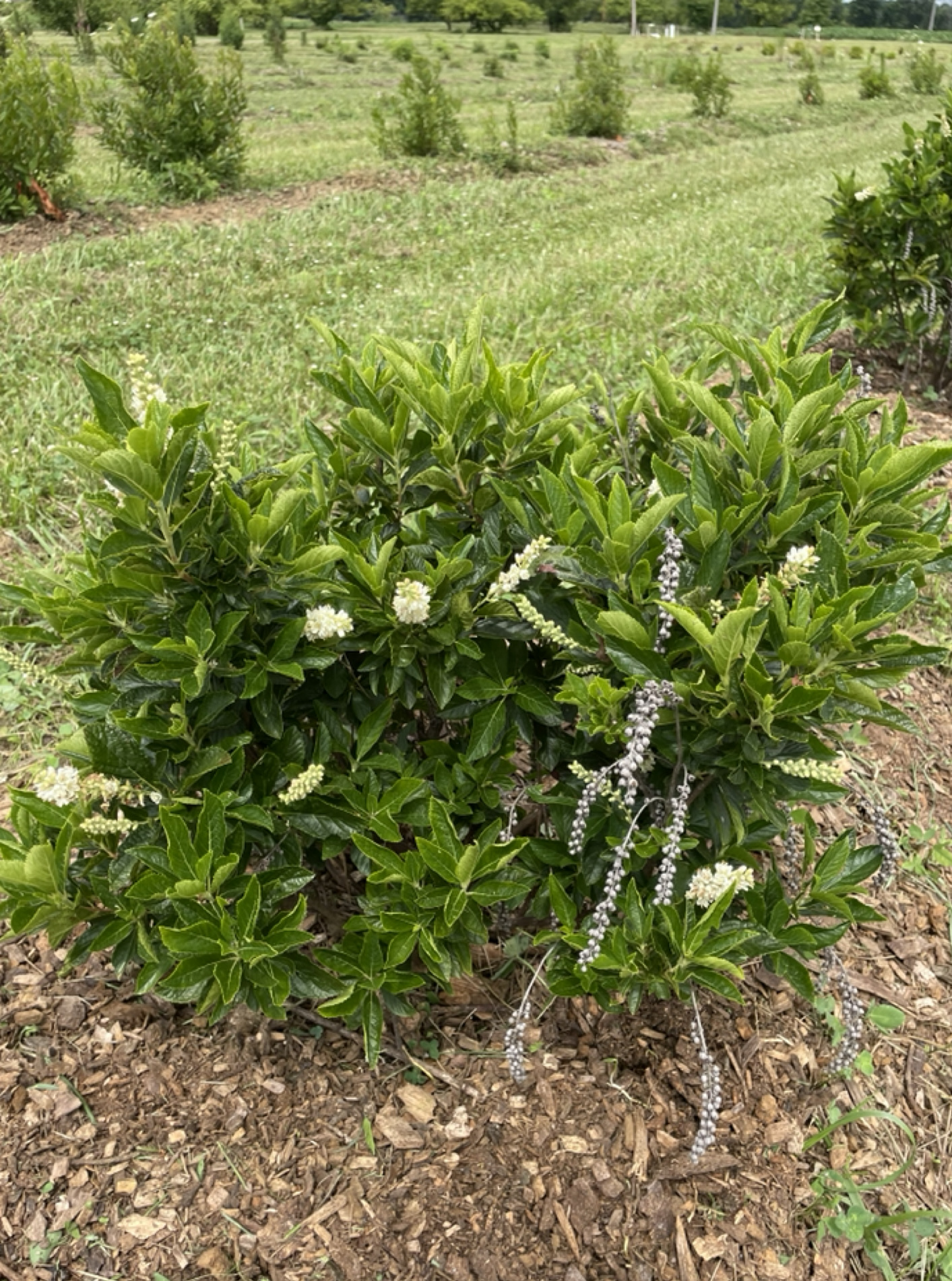
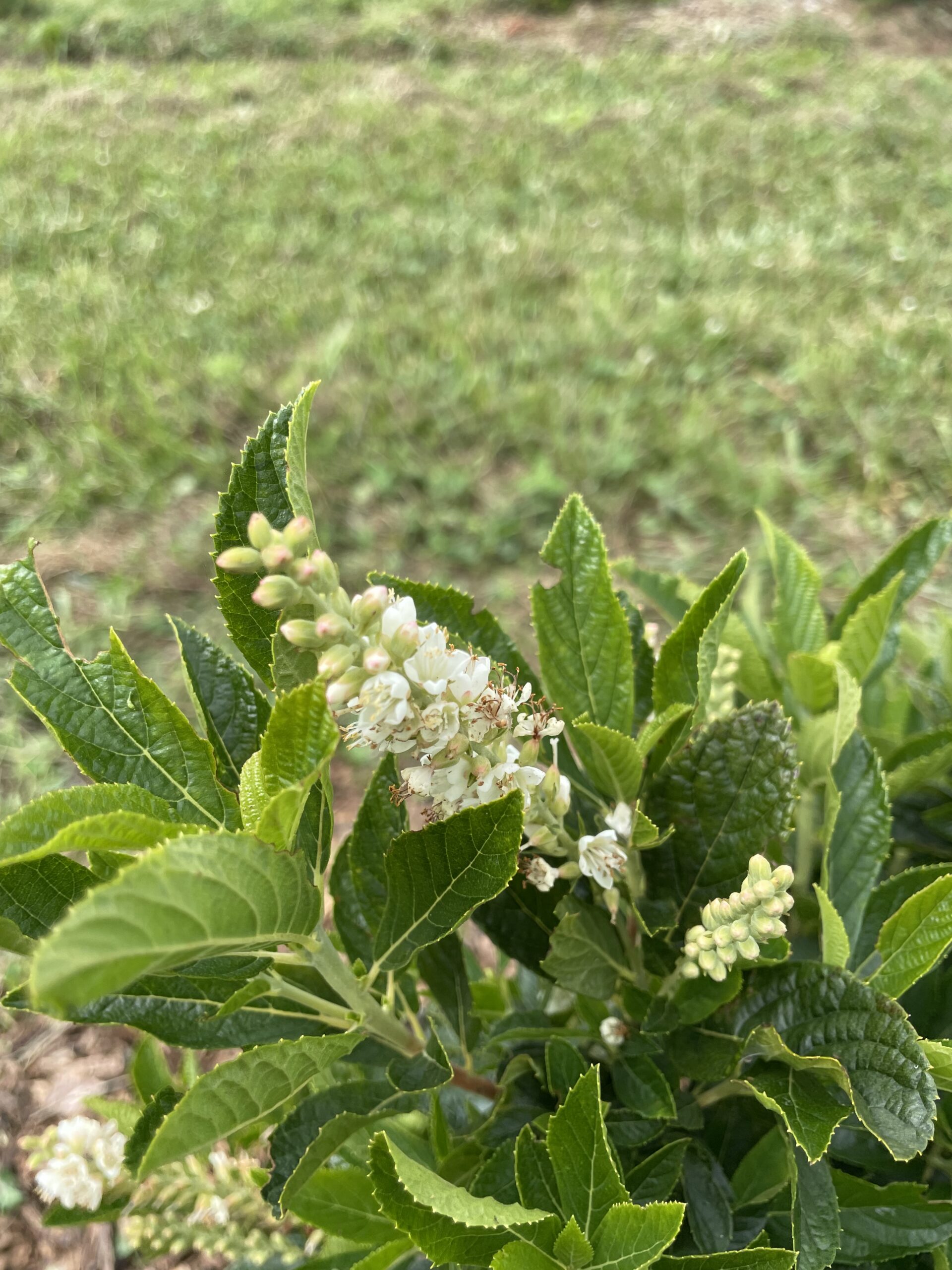
3-4’ tall x 3-4’ wide
-
Noted for having attractive pinkish-red new stems with white flowers that are tinted pink.
Originated at Dodd & Dodd Nursery in Alabama from a plant discovered in NW Florida.
In the field trials, it was noted that this cultivar undertook intense deer damage.
5-6’ tall x 5-6’ wide
Additional Resources
- Clethra alnifolia USDA
References
- United States Department of Agriculture. (n.d.). Lanceleaf springbeauty (Claytonia lanceolata). USDA Plants Database. Retrieved September 22, 2026, from https://plants.sc.egov.usda.gov/plant-profile/CLAL3
- North Carolina Extension Gardener Plant Toolbox. (n.d.). Clethra alnifolia. North Carolina State University Extension. Retrieved September 22, 2026, from https://plants.ces.ncsu.edu/plants/clethra-alnifolia/
- Lady Bird Johnson Wildflower Center. (n.d.). Clethra alnifolia. Native Plants Database. Retrieved September 22, 2026, from https://www.wildflower.org/plants/result.php?id_plant=clal3
- National Wildlife Federation. (n.d.). Native plant finder. Retrieved March 29, 2026, from https://nativeplantfinder.nwf.org/
- Photos by Talia Gould, Rutgers SAS.