Possumhaw Viburnum
Possumhaw Viburnum
Viburnum nudum
Family: Viburnaceae
Phonetic spelling: vih-BUR-num NEW-doom
By Talia Gould
Description:
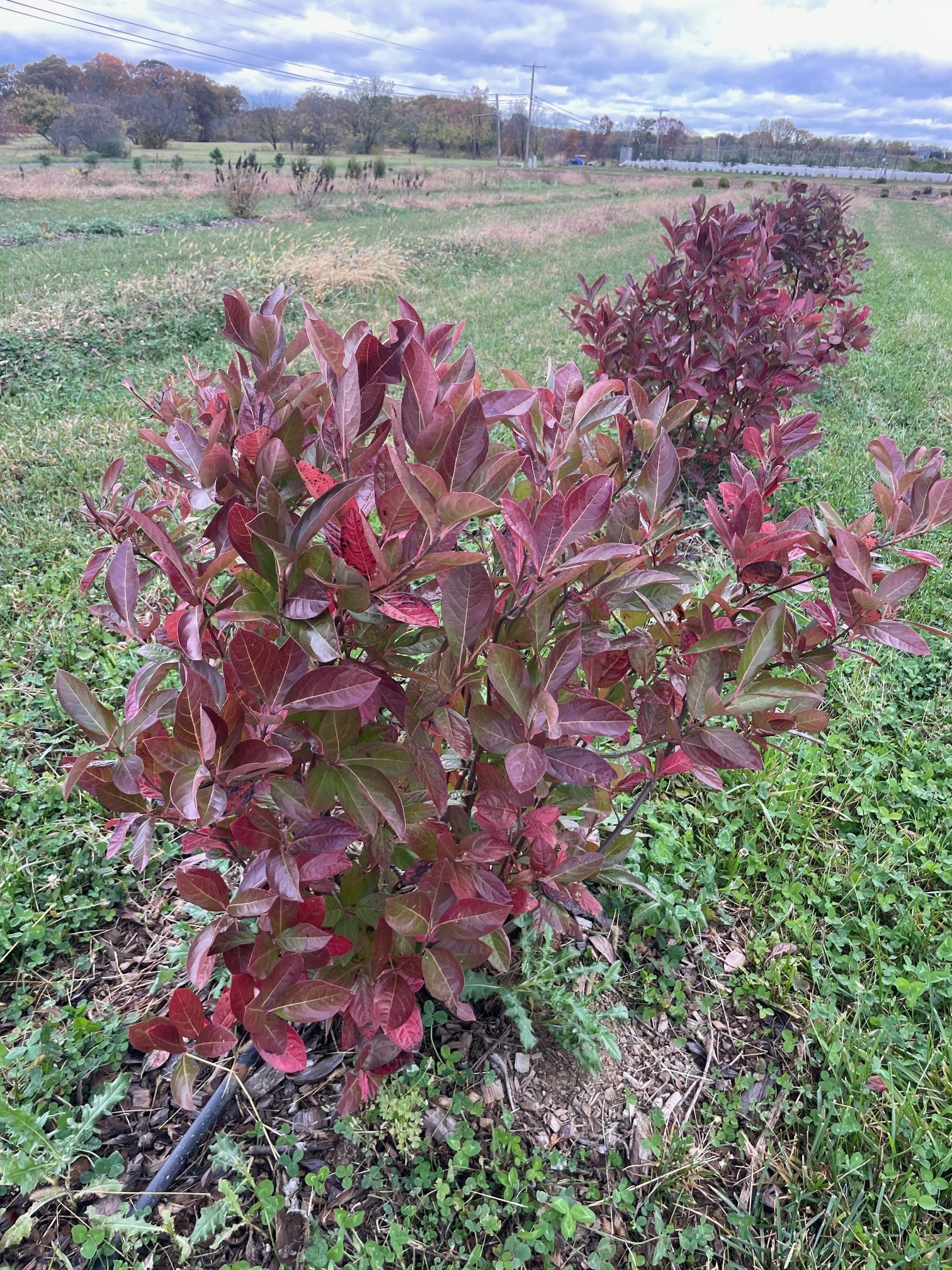
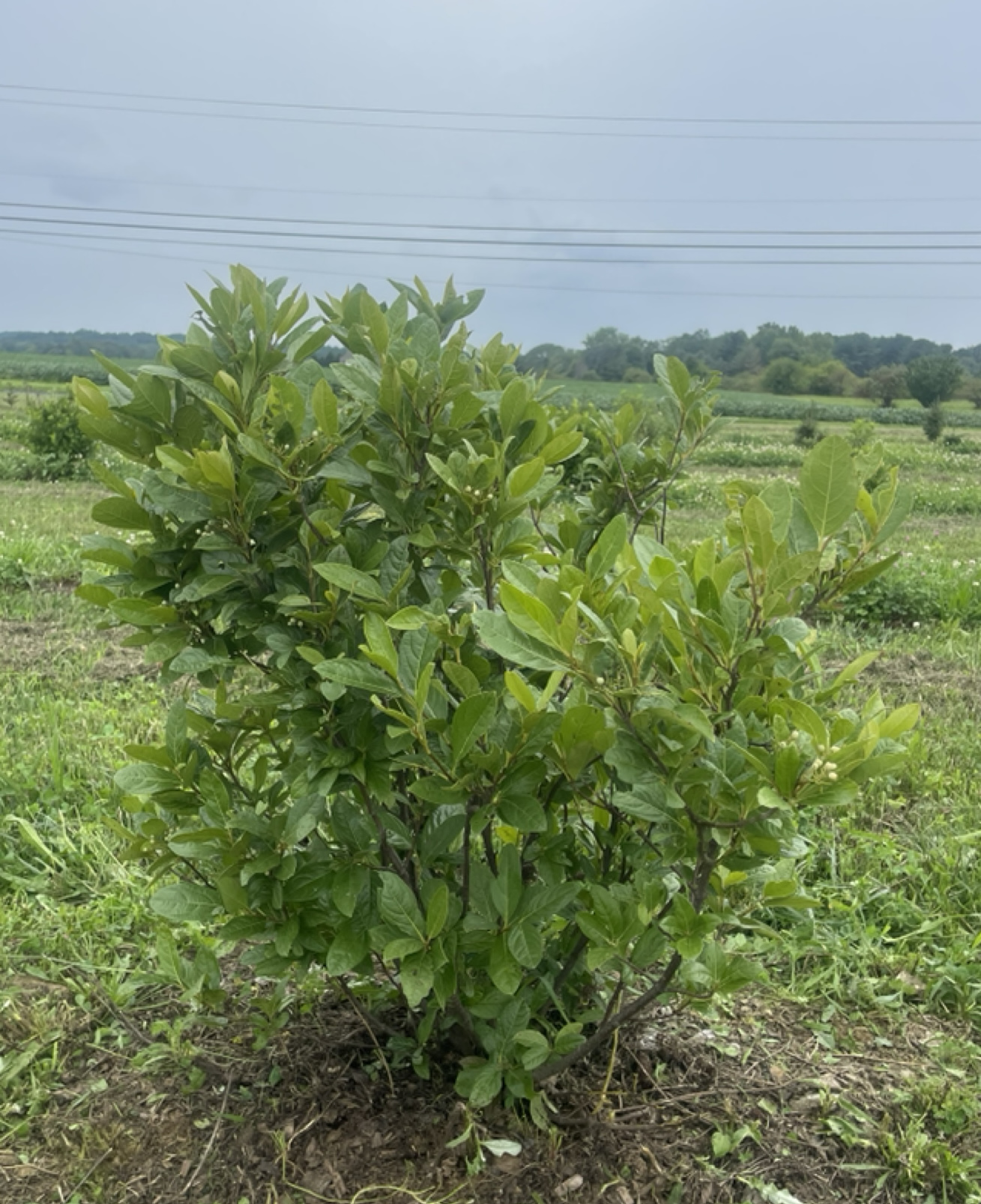
Possumhaw Viburnum is a native, deciduous, multi-stemmed shrub. In the wild, it can be found growing in low, wet woods, bogs and savannas reaching up to 12 feet tall and wide. It is native to the North American coast all the way down from Quebec to Florida and west to Texas. This plant features dark green summer foliage that transfers into reddish purple and then to a scarlet in the autumn. It develops cream-white flower clusters that bloom May-June which have showy berries. The fruit attracts birds and wildlife, and the flower clusters supply nectar and pollen for native bees and butterflies. It is also heat, drought and deer tolerant.
Possumhaw viburnum grows best in acidic, moist to wet, well-drained soil in full sun to part shade but is generally tolerant to a wide range of soil textures. It is best planted along ponds, streams and bongs or in rain gardens.
Plant Details
- Growing Conditions:
- USA Hardiness Zones: 6 to 7.
- Sun Exposure: Full sun to partial shade.
- Soil Preferences: Slightly acidic (<6.0) , neutral.
- Soil Texture: Loam, Organic, Sandy.
- Soil Moisture: Moist, occasionally wet, good drainage.
- Pruning & Maintenance: Low maintenance.
- Bloom Time: Late spring to early summer, summer.
- Recommended Propagation Strategy: Stem cuttings, seed.
- Straight Species Size: 5′-12′ tall x 5′-12′ wide.
- Ecological Services:
- Food Source: Fruits are eaten by songbirds, grouse, wild turkeys and squirrels.
- Beneficial Insects & Birds:
- Supports the following Insects:
- Native bees, hoverflies, Lady Beetles, lacewings.
- Supports the following Insects:
- Larval Host: Potential host plant for
- Spring Azure Butterfly
- Hummingbird clearwing moths
- Insects, Diseases or Problems: No significant problems.
Cultivars
-
A more compact cultivar with glossier leaves. Prize winner of the Pennsylvania Horticultural Gold Medal Award of 1991.
6’ tall x 6’ wide

-
A more compact cultivar with intense berry colors; Berries ripen in fall to vivid shades of pink and blue.
5-6’ tall x 5-6’ wide

Additional Resources
Viburnum nudum USDA
References
- North Carolina Extension Gardener Plant Toolbox. (n.d.). Viburnum nudum. North Carolina State University. https://plants.ces.ncsu.edu/plants/viburnum-nudum/
- Natural Resources Conservation Service. (n.d.). Viburnum nudum L. possumhaw (Symbol: VINU). U.S. Department of Agriculture, Plants Database. https://plants.sc.egov.usda.gov/plant-profile/VINU
- Lady Bird Johnson Wildflower Center. (2015, December 18). Viburnum nudum var. cassinoides. The University of Texas at Austin. https://www.wildflower.org/plants/result.php?id_plant=VINUC
- Jersey-Friendly Yards. (n.d.). Viburnum nudum. https://jerseyyards.org/plant/viburnum-nudum/
- Photos by Talia Gould, Rutgers SAS & Bill Errickson, PhD.