Virginia Sweetspire
Virginia Sweetspire
Itea Virginica
Family: Grossulariaceae DC.
Phonetic spelling: eye-TEE-ah ver-JIN-ih-kah
By Talia Gould


Description:
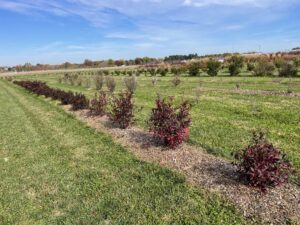
Virginia Sweetspire is a deciduous semi-evergreen shrub native to New Jersey to Florida and west to Missouri. In the wild it can be found in moist woods, swamps, and wet pine barrens. It features arching branches growing up to 3 to 5 feet tall and fragrant white bottlebrush flowers that bloom late spring to early summer. Bloom transfers into hard, brown seed capsules and in Autumn, bright green summer foliage turns to shades of deep red that intensify as the season progresses. When leaves fall in early winter, the plant’s red stems are revealed, contrasting wonderfully with snowy landscapes. Additionally, this shrub is resistant to drought, fire, wet soil and deer. It attracts bees, butterflies, hummingbirds and other birds.
Virginia Sweetspire can tolerate a wide variety of soil conditions, pH levels and sunlight. It grows best in moist, slightly acidic soil with full sun to encourage the best flowering, fall color, and density. This plant blooms on prior season’s wood, thus prune after flowering before the following buds form in late summer. It is best suited for rain gardens, near creeks, rivers and lakes, as well as in butterfly, children’s, native or pollinator gardens.

Plant Details
- Growing Conditions:
- USA Hardiness Zones: 5 to 9.
- Sun Exposure: Full sun to partial shade.
- Soil Preferences: Acid (<6.0), Alkaline (>8.0), Neutral (6.0-8.0).
- Soil Texture: Organic.
- Soil Moisture: Moist, standing water, good drainage.
- Pruning & Maintenance: Periodic rejuvenation pruning of the oldest, thickest stems to encourage more shoots with flowers. Prune after flowering before the next buds form in late summer.
- Bloom Time: Spring, Summer.
- Recommended Propagation Strategy: Stem cuttings, seed, division.
- Straight Species Size: 3-5’ tall x 3-5’ wide.
- .Ecological Services:
- Food Source: Seeds are eaten by songbirds and small wildlife.
- Cover & Nesting: The dense, mounded growth habit provides nesting sites, heavy cover, and protections from predators for small birds and mammals.
- Beneficial Insects & Birds: Hummingbirds, native bees, butterflies and wasps.
- Insects, Diseases or Problems: No significant problems. Red-Headed Flea Beetle can pose a problem in nurseries. Resistant to phytophthora root rot.
Cultivars:
-
‘Henry’s Garnet’ was collected in 1954 in Georgia by Mary G. Henry, who selected it for its superior floral display and outstanding fall foliage.


3-4’ tall x 4-6’ wide
-
‘Little Henry’ is a dwarf itea with superior flowers and better fall color than the straight species.
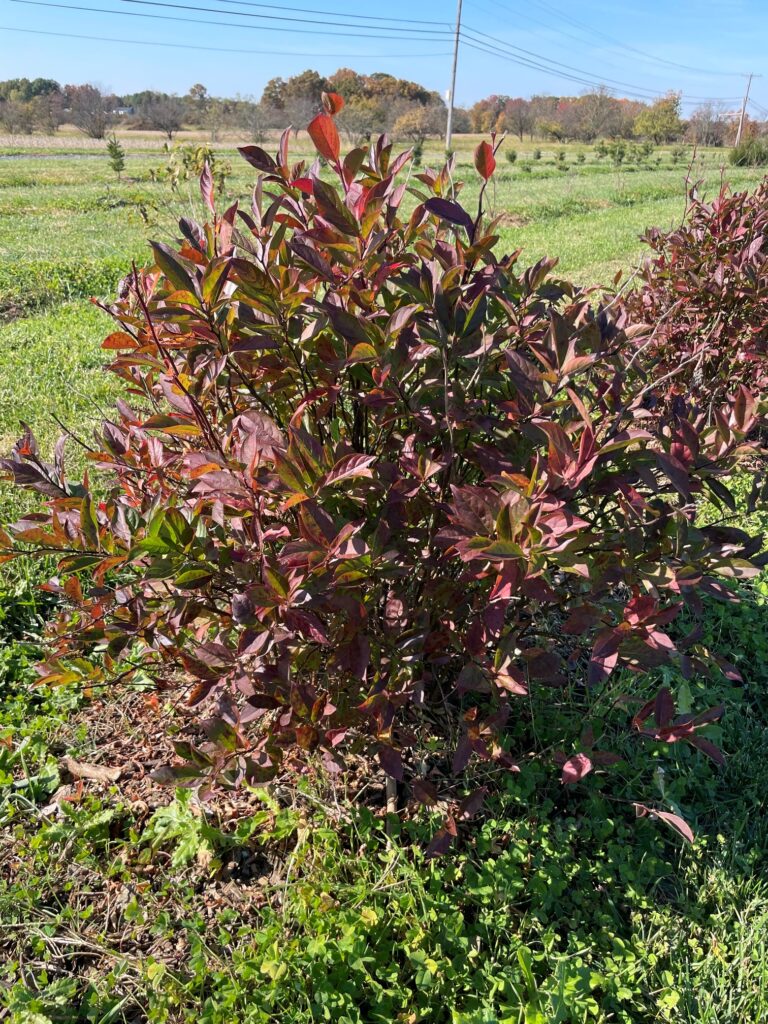

2’ tall x 2.5’ wide
-
A compact itea cultivar released by Proven Winners. Its flowers are more upright than other itea.


2-3’ tall x 2-3’ wide
-
A compact itea cultivar that was selected for its dark red fall color that persists into winter.
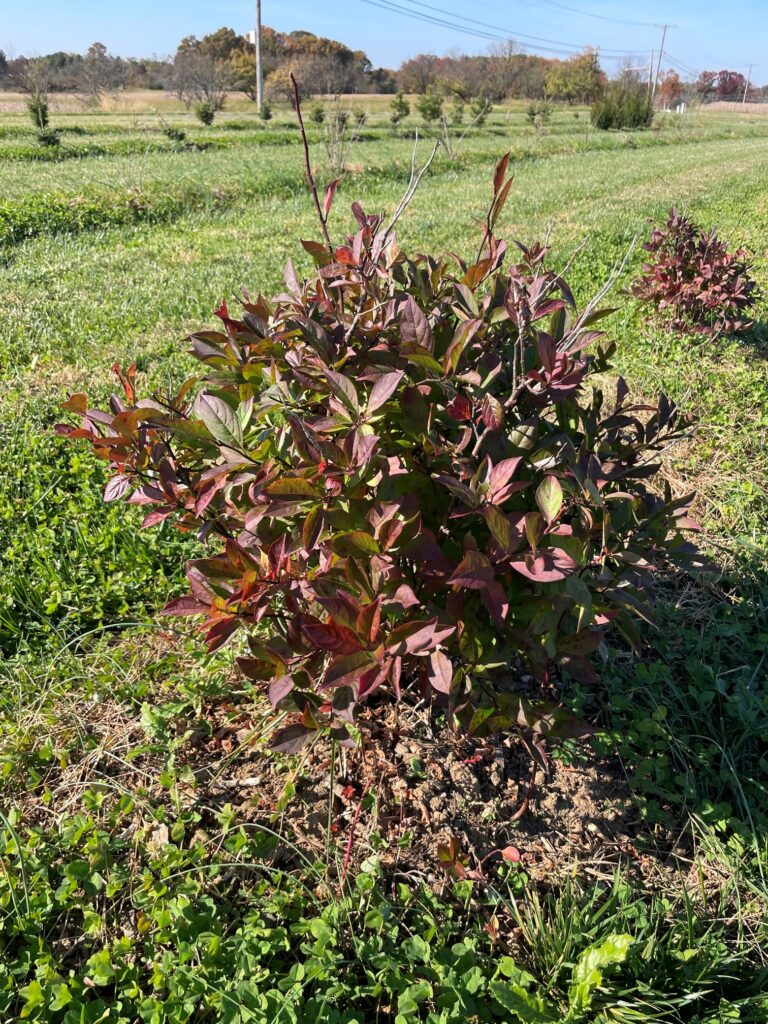

3-4’ tall x 3’ wide
Additional Resources
Virginia Sweetspire USDA
References
- North Carolina Extension Gardener Plant Toolbox. (n.d.). Itea virginica. https://plants.ces.ncsu.edu/plants/itea-virginica/
- Photos by Bill Errickson, PhD. and Dennis McNamara